


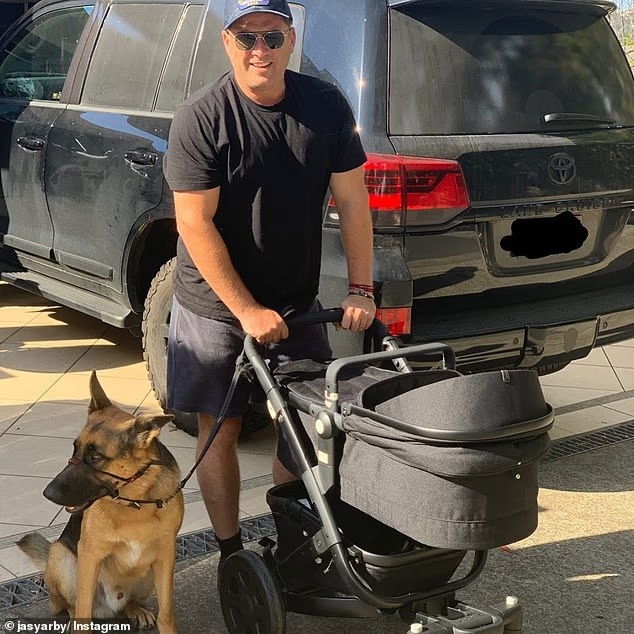
Karl Stefanovic’s German shepherd Chance has been placed on Australia Post’s internal warning system after being identified as a potential danger to postal workers visiting properties where the dog has lived or been cared for.
The eight-year-old animal, known as Chance the Yapper, was added to the alert system used to warn delivery drivers and post workers about possible hazards at addresses.
Australia Post confirmed that warnings had been recorded against two properties in Castlecrag, on Sydney’s lower North Shore. However, the organisation said no postal worker had been attacked by a dog at either address.
The warning follows a dangerous dog declaration issued after an incident involving Chance earlier this year. The German shepherd was photographed being walked in Castlecrag this week wearing a muzzle.
The April 18 incident took place at about 12.45pm near an Ampol service station on Military Road, Neutral Bay. Chance was being walked by someone other than Karl or his wife, Jasmine, at the time.
Court documents described the incident as having occurred “without provocation” and said the person involved suffered a “serious injury”. The documents initially recorded that another dog had also been attacked, but North Sydney Council later acknowledged that entry was incorrect.
Residents in the affluent suburb have spoken of their concerns about Chance. One said: “There’s people who cross the road if they see him because they don’t want their own dog getting attacked.”
The resident added: “And it’s the lower North Shore – most people have those little fluffy dogs.”
North Sydney Council issued the dangerous dog declaration to the Stefanovics on July 15. The original proposed conditions included keeping Chance in a backyard enclosure and displaying a dangerous dog sign at the property.
The couple challenged the declaration and engaged ACT solicitor Anne Greenaway, who specialises in dog-related legal matters. Jasmine later began proceedings in Hornsby Local Court on August 6.
Following a hearing last Thursday, the council and the Stefanovics reached an agreement on a four-year control order.
Under the order, Chance must be kept on a lead and wear a muzzle whenever he is walked in public. The couple must also install a clear “Warning Dog” sign at their home within two weeks.
The sign must be at least 40cm by 40cm, with lettering measuring at least 50mm high and 10mm wide. Chance must also complete behavioural or socialisation training with a qualified expert within six months, after which a certificate must be provided to the council.
Breaching the order could result in criminal penalties. Court documents state that the maximum consequences include a fine of up to 16,500 Australian dollars, five years’ imprisonment and the dog being put to sleep.
