


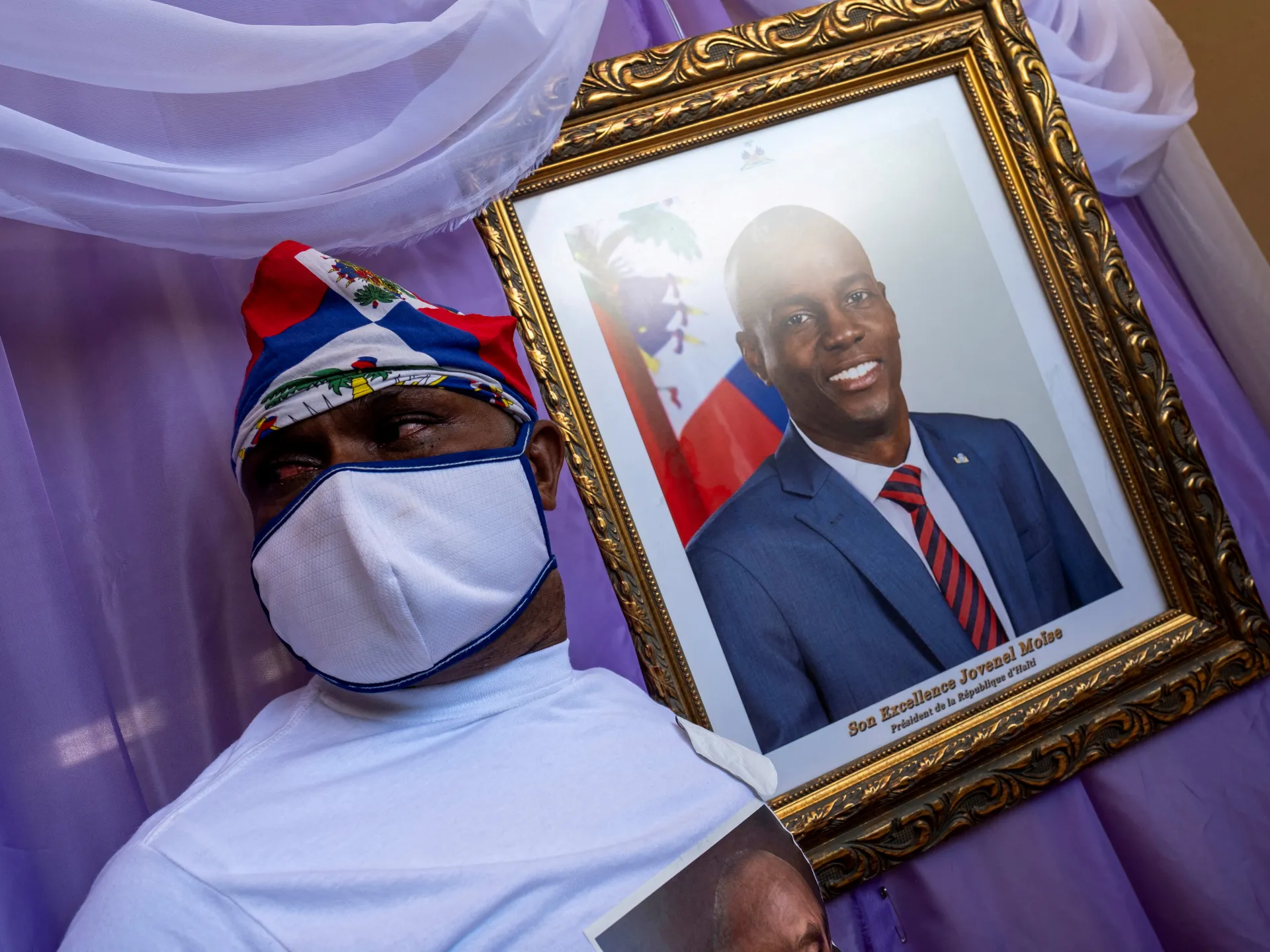
Christian Emmanuel Sanon, a Florida pastor with dual Haitian-American citizenship, has been convicted in Miami of conspiring to kill Haitian president Jovenel Moise and other charges linked to his assassination.
Sanon, 68, was found guilty on all eight counts after a trial lasting nearly eight weeks in federal court. Moise was shot dead at his home outside Port-au-Prince on 7 July 2021.
US prosecutors alleged that Sanon sought to remove Moise and install a president chosen by the conspirators. They said South Florida was used to plan and finance the operation, including payments to about two dozen foreign mercenaries.
Prosecutors also alleged that money taken from US government programmes intended to support businesses during the Covid-19 pandemic was used to fund the plot.
Sanon admitted during the trial that he had communicated with people seeking to replace Moise. However, he said the group had switched to another candidate well before the assassination and denied knowing about any plan to kill the president.
He was arrested in Port-au-Prince days after the killing. A local police report said officers searching his home found eight vehicle registration plates, 19 passports, 12 mobile phones, 30 boxes of ammunition and 12 pistol holsters.
Sanon faces life in prison
Sanon remains in federal custody and showed little reaction as the verdict was read. He faces a possible life sentence and is due to be sentenced on 10 February.
His lawyer, Zeljka Bozanic, said the defence was disappointed and would appeal at the appropriate time. Prosecutors did not comment after the verdict.
Martine Moise, the assassinated president’s widow, was a key witness at the trial. She was flown to Florida for treatment after being wounded in the attack and has since registered as a candidate in Haiti’s 2027 presidential election.
More than 40 people have been charged in the United States over crimes connected to the assassination. Twelve have been convicted, including five who are serving life sentences.
Those still facing trial include Joseph Felix Badio, a former government anti-corruption official whom defence lawyers for other suspects have accused of masterminding the operation, and 17 former Colombian soldiers brought from Haiti in September.
Haiti has had no president since Moise was killed in a night-time raid by a group authorities said was made up largely of retired Colombian soldiers impersonating US Drug Enforcement Administration agents. His wife was injured in the attack.
The assassination was followed by a succession of transitional governments, while armed gangs believed to have support from corrupt politicians took control of large parts of Port-au-Prince and surrounding areas.
