


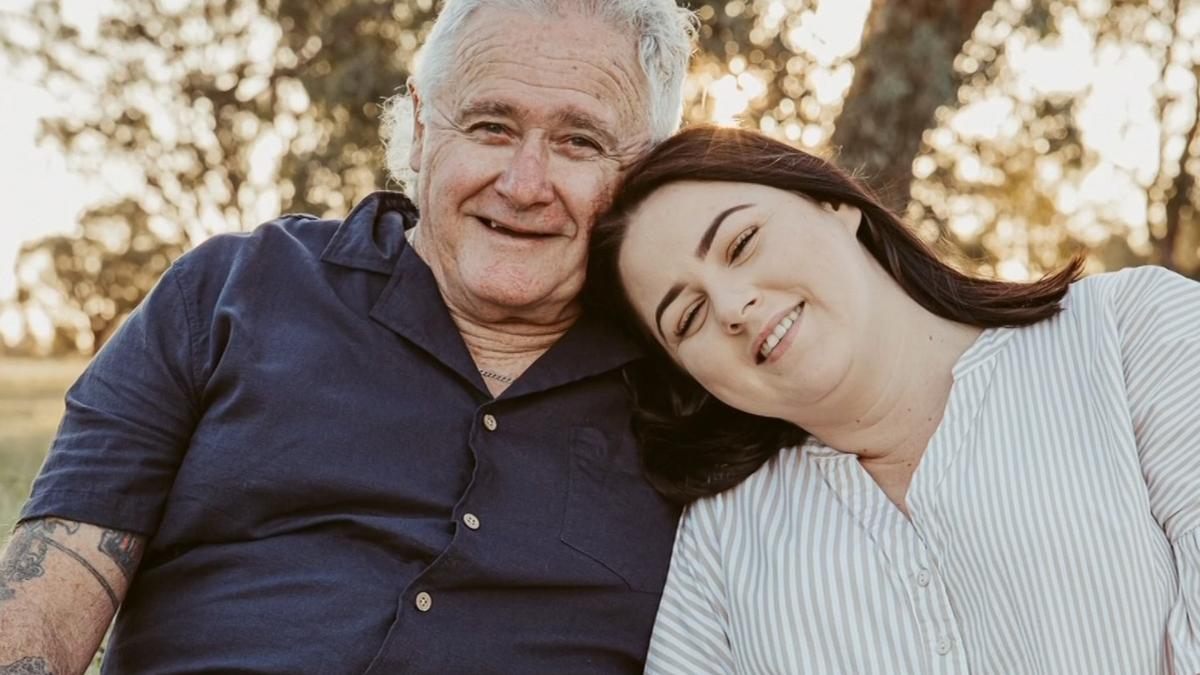
Daniel Billings has been sentenced to 28 years in prison for murdering Molly Ticehurst, after her family spent more than two years campaigning for changes to the way domestic violence cases are handled in New South Wales.
Billings, who was on bail, broke into Ms Ticehurst’s bedroom in Forbes shortly before midnight on April 21, 2024, and killed her in a frenzied stabbing attack. He had been accused of threatening and abusing her after their relationship ended, and she had reported sexual assault allegations to police two weeks before her death.
The charges relating to rape were dropped after Billings pleaded guilty to murder. He must serve at least 20 years of his sentence, meaning he will be 49 before he is eligible for parole.
Ms Ticehurst was 28, a childcare educator and a young mother whose death prompted national scrutiny of domestic violence responses, bail laws and the dangers faced by women in rural communities.
Her father, Tony Ticehurst, and mother, Kate Shaw, attended every court mention during the lengthy proceedings. The case was delayed for more than 500 days while Billings’ lawyers negotiated with prosecutors.
Mr Ticehurst, who had been forced to stop working as a coal colliery truck driver after an injury, had been closely involved in caring for his daughter. Ms Ticehurst regularly helped him around the house, hanging out his washing, making his bed and cleaning for him.
When Billings began threatening to break into her home and kill her, her parents urged her to contact police. Mr Ticehurst changed the locks and fitted lengths of dowel to her window frames, while Ms Shaw stayed overnight when her daughter felt unsafe.
The family had also hoped Ms Ticehurst could receive protection through the New South Wales Government’s Staying Home Leaving Violence initiative. They have since called on Premier Chris Minns to release an investigation into her dealings with the scheme.
Molly Ticehurst’s family calls for domestic violence reform
In the days after Ms Ticehurst’s body was found, her father appealed for calm rather than vengeance. “Let’s not think of him or have vengeance in our hearts,” he wrote. “Instead, think of the good memories Molly gave us.”
About 6,000 people attended her funeral in Forbes, where balloons covered a football oval and her favourite AC/DC songs were played. Speaking at the service, Mr Ticehurst said: “Every parent would like to see their child change the world but not at this cost.”
But the delays in the court case eventually became too much. Outside Forbes court in November last year, a distressed Mr Ticehurst told reporters: “It seems to me that in life, the system let Molly down and in death continues the same route. Instead of getting closure, all we get is anxiety, sadness and heartache.”
Billings admitted the murder nine days later. When he walked out of court, Mr Ticehurst was met with spontaneous applause from locals, many of whom wore shirts bearing Ms Ticehurst’s face and the words “She matters”.
At the sentencing hearing in the NSW Supreme Court in Orange, Billings barely looked at Ms Ticehurst’s parents. He stared at the floor as the court heard details of the violence involved in the killing.
Mr Ticehurst told the court he imagined Billings travelling from Parkes to Forbes under cover of darkness to murder his daughter. A phone video played during the hearing showed Billings singing along to Johnny Cash’s The Man Comes Around while driving.
“I hope every night Molly’s screams keep you awake and the hairs on your arm stand up at the terror,” Mr Ticehurst told him, referring to lyrics from the song.
In her victim impact statement, Ms Shaw described sleepless nights, sadness and heartbreak. “Molly’s life was taken far too soon in a violent, malicious manner for no reason other than selfishness,” she said.
About 50 relatives, friends and supporters watched the sentencing. Their grief and anger were evident, but the family continued to show restraint during the two-day hearing.
Mr Ticehurst’s advocacy, including conversations with local state MP Phil Donato, helped keep attention on the family’s concerns. Mr Donato said the community had been “immensely disappointed with the system failing her”.
The family’s campaign has been followed by tighter bail laws in New South Wales and closer monitoring of people accused of domestic violence. It has also drawn attention to warning signs linked to intimate-partner killings and the particular risks confronting women in rural areas.
Pia Birac, deputy chief executive of Domestic Violence NSW, said Ms Ticehurst’s story had exposed the consequences of failures in the system.
“Her story is a powerful reminder of what’s at stake when our systems fail to keep women safe,” she said. “It’s prompted national reflection, renewed scrutiny to responses to domestic and family violence. That’s due to the courage of her family.”
