


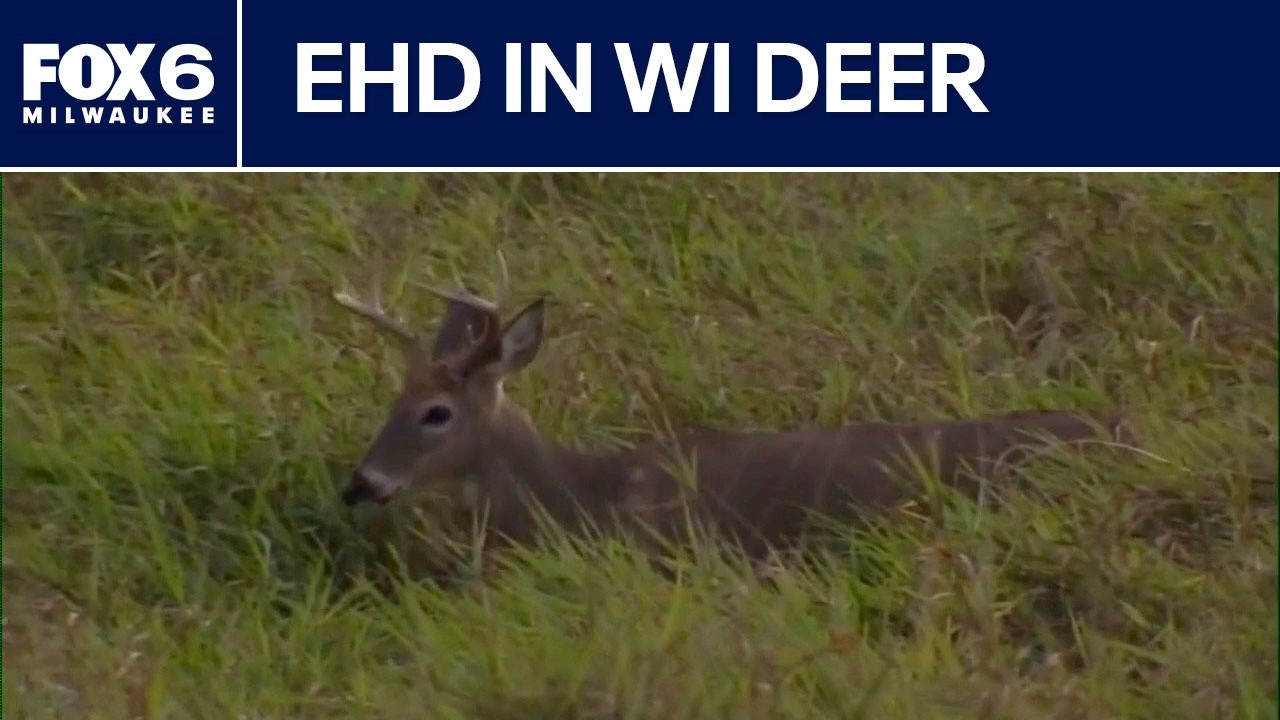
Hundreds of deer have died in Wisconsin amid an outbreak of epizootic haemorrhagic disease (EHD), with the state’s Department of Natural Resources (DNR) monitoring reports across several south-eastern counties.
As of 22 September, the DNR had recorded reports involving just over 1,100 deer in Washington County, more than 360 in Waukesha County, about 80 in Ozaukee County, 60 in Dodge County and 10 in Milwaukee County. The figures are based on reports of sick or recently dead animals and do not represent confirmed cases or a precise total of deaths.
The outbreak has been confirmed in wild deer in Washington County, where the first test results were obtained from a carcass found in Richfield. Suspected cases have also been reported in the surrounding counties.
Erin Larson, a DNR deer herd health specialist, said the agency was continuing to catalogue reports and prioritising testing in areas where the virus had not already been confirmed.
What is epizootic haemorrhagic disease?
EHD is an acute viral disease affecting white-tailed deer and other hoofed animals. It is spread by biting midges, sometimes known as no-see-ums, which are most active in late summer and early autumn.
Infected deer can develop high fevers and dehydration. Signs may include excessive salivation, foam around the nose or mouth, weakness, a lack of fear of people and a tendency to lie in or near water.
The disease does not infect humans. The Wisconsin DNR says people are not at risk from handling infected deer, eating venison from an infected animal or being bitten by the midges that carry the virus.
Outbreaks usually subside after the first hard frost, when the insects die off. The department said local deer populations could suffer significant short-term losses, but generally recover quickly through natural recruitment.
DNR officials are asking residents to report unusual sightings of sick or dead deer, including the number of animals and the precise location. The agency does not normally have the resources to remove carcasses and advises people to avoid handling them where possible.
Despite the outbreak, the DNR said Wisconsin’s 2026 deer season would proceed under the existing regulations, without reductions to harvest opportunities. It said affected areas remained capable of supporting an antlerless harvest this autumn.
