


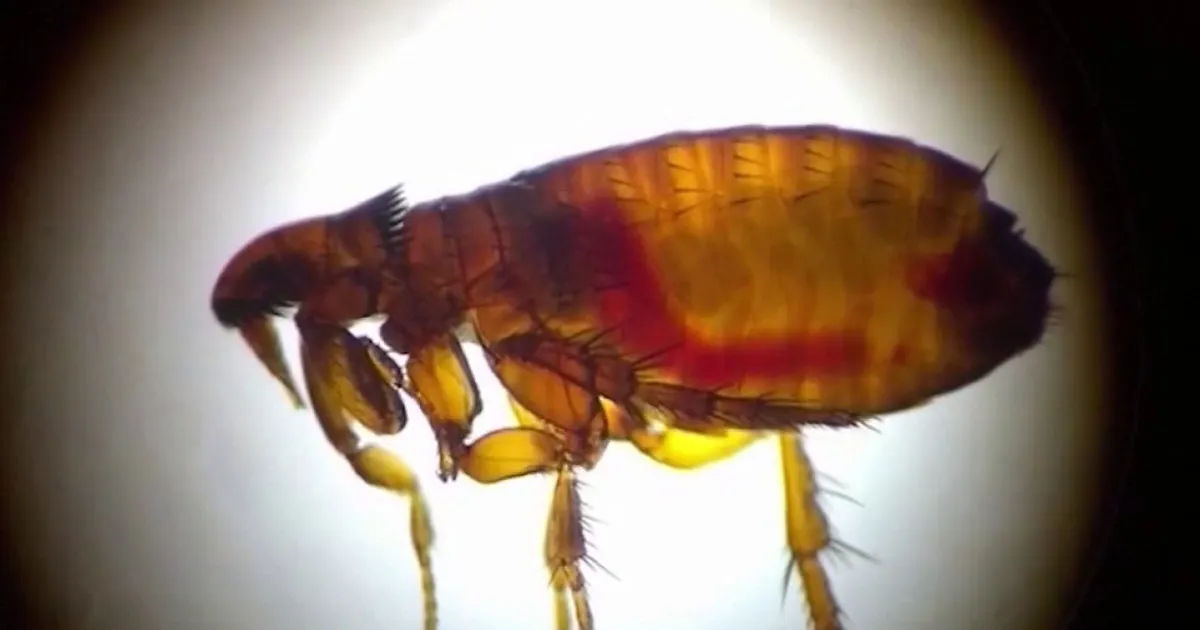
Los Angeles County health officials are investigating a localised outbreak of flea-borne typhus in the Wilshire Center neighbourhood after seven people became ill and six were hospitalised.
All seven patients have recovered, the Los Angeles County Department of Public Health said on Tuesday, September 22. It described the outbreak as the second localised cluster reported in the county this year.
A further outbreak was identified in nearby Pico-Union in July, when five people were hospitalised. Officials said 109 cases had been reported across Los Angeles County so far in 2026, following a record 220 cases last year.
Flea-borne typhus risk extends across Los Angeles County
Flea-borne typhus is caused by the Rickettsia typhi bacterium, which is spread by infected fleas. The fleas are commonly carried by rats, free-roaming cats, opossums and other wildlife, while outdoor pets can bring them into homes.
The county said the risk was not confined to Wilshire Center or other outbreak areas, with cases recorded among people from a range of housing and socioeconomic backgrounds.
Dr Jeffrey Klausner, an infectious disease specialist at the USC Keck School of Medicine, said contact with fleas was the main route of exposure.
“Really, anyone who has contact with fleas — that’s the major exposure,” he said.
Symptoms usually appear within one to two weeks and can include fever, headache, chills, body aches, nausea, vomiting and a rash. Health officials urged anyone who develops symptoms after possible contact with fleas or animals to seek medical care promptly, as the infection can be treated effectively with antibiotics when diagnosed early.
Flea-borne typhus is not spread from person to person. People become infected when flea faeces enter the body through cuts or scrapes, or come into contact with the eyes.
Los Angeles County Health Officer Muntu Davis urged residents to use flea-control products on pets throughout the year, keep animals indoors where possible, avoid touching or feeding free-roaming animals, and secure rubbish in tightly sealed containers.
“Community members can help protect themselves and their neighbours by keeping pets on flea control year-round, rodent proofing their homes and making sure wildlife cannot live in or around their homes,” Dr Davis said. “Simple steps can prevent serious illness.”
