


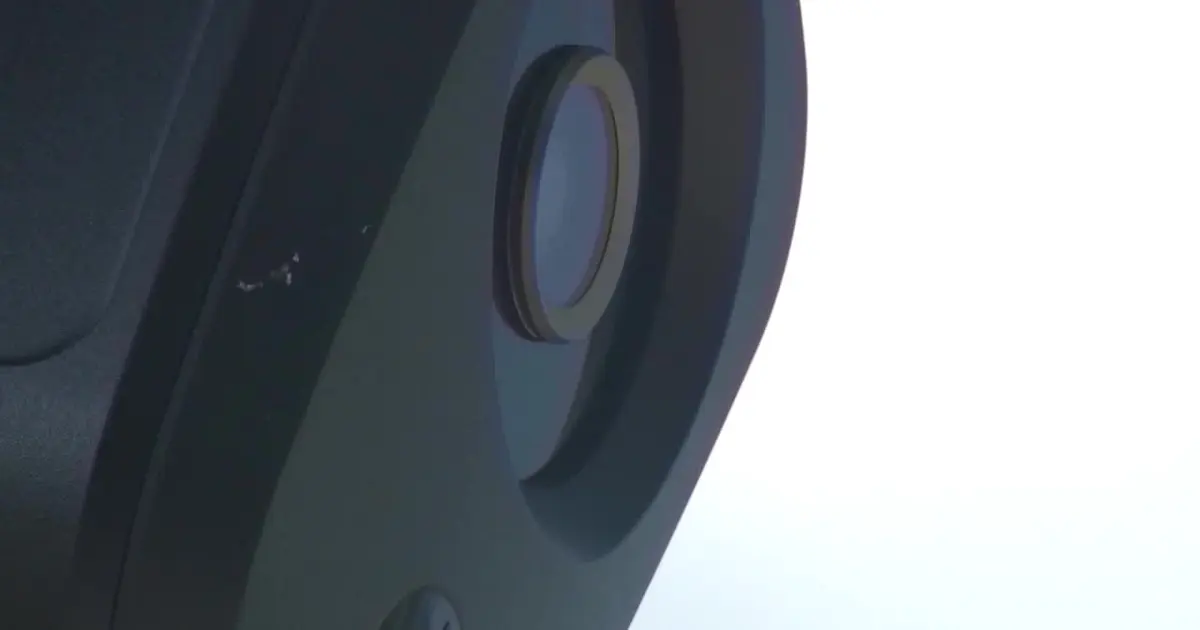
Lawmakers have demanded tighter controls on license-plate surveillance systems after a woman who was wrongly arrested over a fatal hit-and-run told a US Senate hearing that data from an automated camera helped put her behind bars.
Lindsey Isaacs said she spent 13 days in custody after a Flock Safety camera recorded her Dodge Durango several miles from the crash scene. She said the vehicle had no damage and had played no part in the collision.
Her testimony came as the Senate Judiciary Subcommittee on Crime and Counterterrorism examined the growing use of Flock Safety’s automatic licence plate recognition network and similar systems across the United States.
Garrett Langley, the chief executive of the Atlanta-based company, had been invited to appear but did not attend. Flock Safety did not immediately provide an explanation for his absence.
Senate hearing raises concerns over Flock Safety cameras
The hearing focused on the scale of the databases, how police officers access them and the safeguards in place to prevent searches being used for personal reasons, including stalking.
Senator Josh Hawley, a Republican from Missouri, criticised the collection of information on millions of people who have not been accused of a crime. He argued that citizens were being tracked without the protections normally associated with the criminal justice system.
Georgia Senator Raphael Warnock said at least 20 law-enforcement officers in the state had been arrested for allegedly misusing access to automatic licence plate reader systems. Several cases, he said, involved officers using the technology to follow current, former or prospective romantic partners.
“Georgians want to be safe in their communities,” Mr Warnock said before the hearing. “Yes, they want to be safe from crime, but they also want to be safe from stalking.”
Mr Warnock and Republican Senator Katie Britt have written to US Attorney General Todd Blanche seeking federal guidance for state and local agencies on preventing unauthorised access to licence-plate data.
The senators asked the Justice Department how it was addressing misuse of the technology and what standards should apply to police departments that operate or access such systems.
Atlanta police review flagged searches
The scrutiny comes as Atlanta officials investigate police use of Flock cameras. An audit of 115,578 searches carried out by Atlanta police this year identified 79 search patterns for further examination.
Police said the flagged activity represented about 0.07 per cent of the searches reviewed and was not, by itself, proof that officers had broken the rules. The department said 99.93 per cent of searches were consistent with existing policy and training.
The investigation is expected to take up to 60 days. Atlanta police have also revised their licence-plate recognition policy, introduced monthly audits and ordered refresher training for staff with access to the system.
Mayor Andre Dickens is preparing legislation to establish city-wide rules governing the use of surveillance cameras and other public-safety technology. Georgia lawmakers are also expected to consider new regulations during their next legislative session.
Recent cases have added to pressure on police agencies to monitor access more closely. The Georgia Bureau of Investigation said this month that it arrested and charged a Clayton County sheriff’s deputy with misuse of a licence plate reader system after an investigation requested by the sheriff’s office.
Flock Safety promises shorter data retention
Flock Safety has previously defended its network, saying the cameras help officers locate missing people, recover stolen vehicles and support criminal investigations.
The company has also pledged to reduce the period for which scanned licence-plate records are retained, from 30 days to seven days.
However, questions remain over how many police agencies are conducting internal investigations into alleged misuse and whether agencies should continue paying for access to the system. Some departments have cancelled their contracts altogether.
In Georgia, opposition has also emerged on university campuses. Isaac Thoman, a computer science student at Kennesaw State University, has campaigned for the removal of Flock cameras and audio equipment from the site.
Mr Thoman said he bought a used Flock camera online and demonstrated that pressing a button on the rear three times could activate an open Wi-Fi hotspot, raising further questions about the security and management of the devices.
