


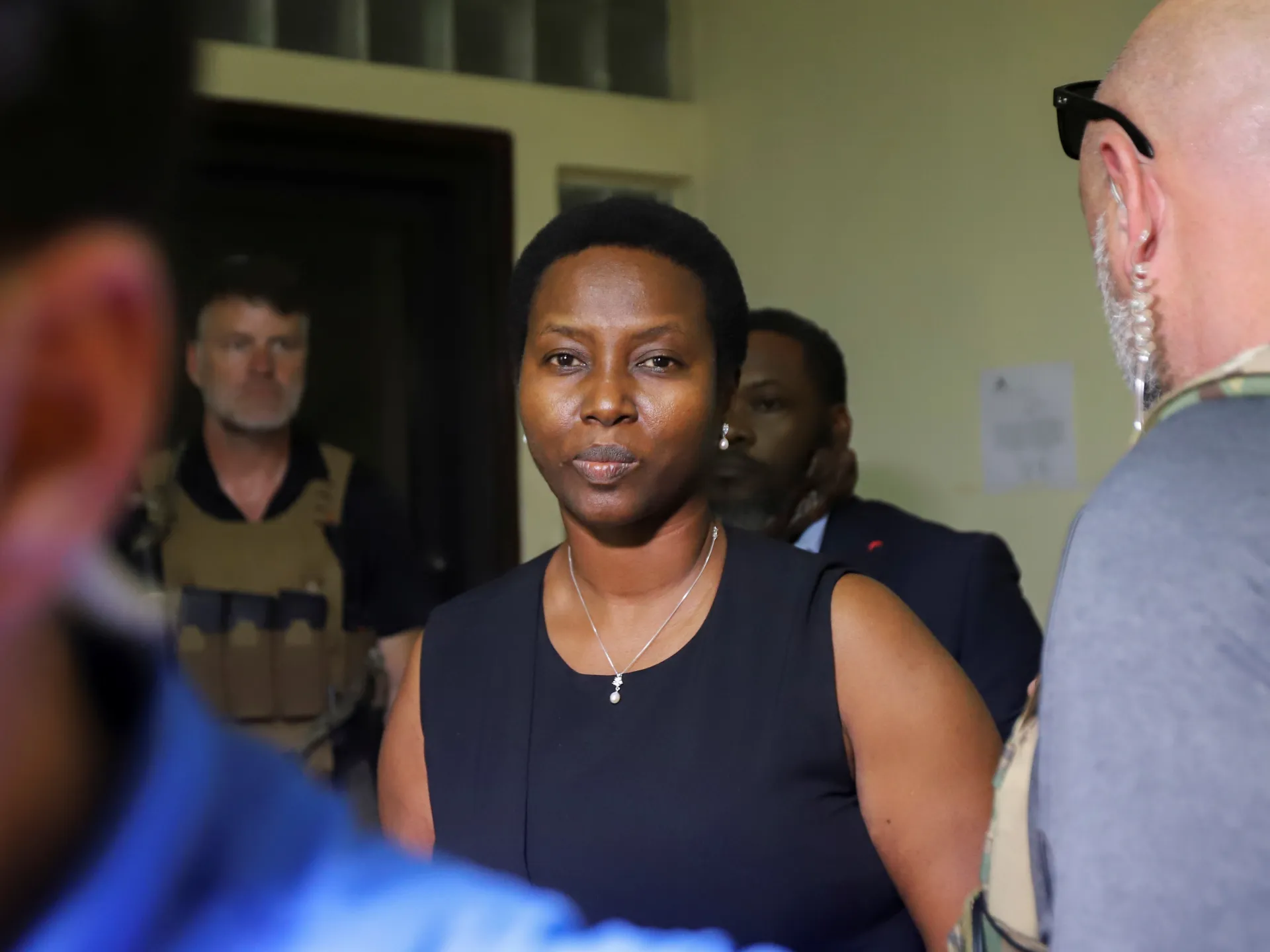
Martine Moise, the widow of Haiti’s assassinated president Jovenel Moise, has registered to contest the country’s first presidential election in a decade.
Her name appeared on the website of Haiti’s Provisional Electoral Council on Sunday, among 33 registered candidates. The first round of voting is scheduled for July next year.
Haiti last held a presidential election in 2016. Successive governments have postponed elections amid insecurity and the expanding influence of heavily armed gangs.
Ms Moise has not publicly commented on her registration. In a post on X last week, however, she said Haiti would “rise again on its own two feet, because politics needs to be done differently”.
She also accused the opposition of bringing the country “to its knees”, saying: “They do not want the country to develop; they do not want the people to live well.”
Three female candidates
Ms Moise is one of three women among the 33 candidates. Other prominent names include former presidents Michel Martelly and Jocelerme Privert, former prime minister Claude Joseph and former foreign minister Dominique Dupuy.
Several candidates, including Mr Martelly and Mr Privert, have been sanctioned internationally over accusations that they supported armed gangs. Both deny the allegations.
Jovenel Moise was president from 2017 until his death in July 2021. He was shot in his bedroom by Colombian mercenaries who were impersonating agents of the United States Drug Enforcement Administration.
Martine Moise suffered serious gunshot wounds in the attack and was flown to a hospital in Florida. She has since been a key witness in a Miami court case involving dozens of suspects accused of taking part in her husband’s murder.
A succession of transitional governments followed the assassination, while gangs widely believed to be aided by corrupt politicians took control of much of the capital, Port-au-Prince, and surrounding areas.
About 1.5 million people have been displaced and more than 22,000 killed, many by security personnel. International forces have been deployed to help Haiti’s police confront the gangs, with the latest operation involving soldiers from El Salvador.
Haitian security forces last week regained control of the country’s main stadium after it had been held by gangs for two years. El Salvador’s President Nayib Bukele has ordered about 2,000 soldiers to establish an operational base there and advance into territory still controlled by armed groups.
