


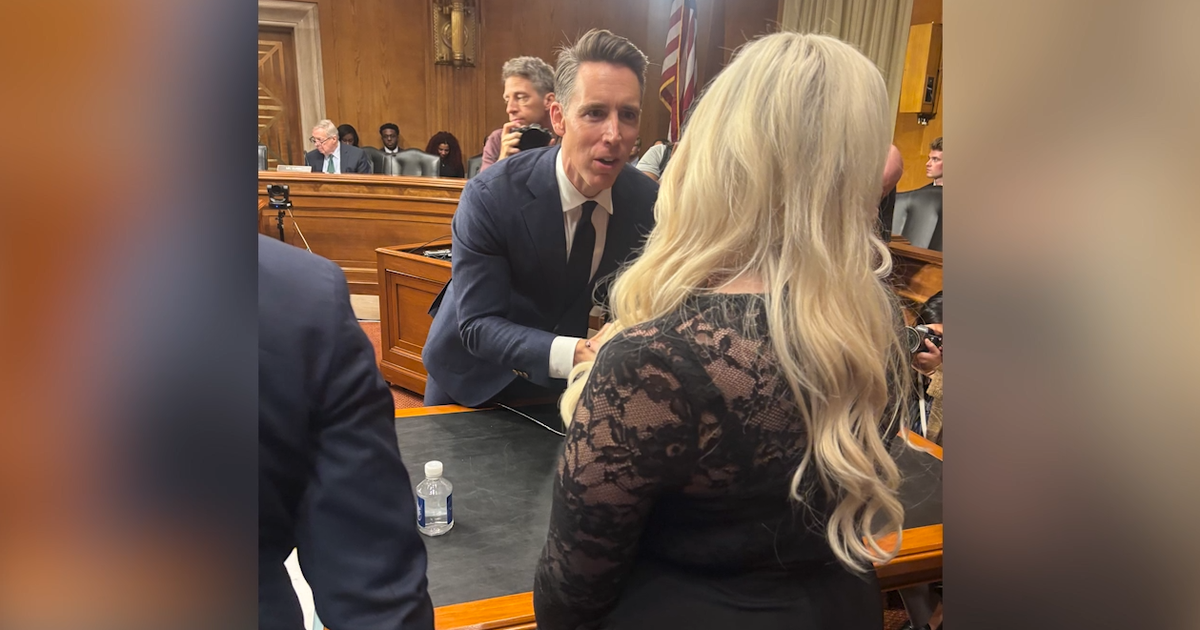
A Florida woman who spent 13 days in jail after being wrongly linked to a fatal road crash has told a US Senate hearing that automated number plate cameras must not be treated as proof of guilt.
Lindsey Isaacs, 23, appeared before the Senate Judiciary Subcommittee on Crime and Counterterrorism on Wednesday, 23 September, at a hearing entitled “Always Watching: Flock’s Nationwide AI Surveillance Network”.
She said her case showed how information gathered by surveillance technology could quickly become part of an investigation with devastating consequences for an innocent person.
“I came here today because I want you to understand that surveillance technology does not exist in a vacuum,” Isaacs told senators. “Information collected by technology can become part of an investigation that affects a real human being.”
Wrongful arrest after deadly I-4 crash
Isaacs was arrested in April after Florida Highway Patrol investigators accused her of driving a Dodge Durango involved in a chain-reaction collision on Interstate 4 in October 2025.
The crash near DeBary, in Volusia County, killed motorcyclist Joaquin Deno and Flagler County deputy administrator Jorge Salinas and his wife, Nancy. Another person was seriously injured.
Investigators identified Isaacs’ black Durango after reviewing images from a Flock automated licence plate reader. Her lawyers say the camera recorded the vehicle several miles from the crash shortly before the collision, but that investigators treated the sighting as evidence of guilt rather than as a lead requiring further checks.
Isaacs was charged with eight felony counts and held in the Volusia County jail for 13 days. She said the experience left her believing that her life was over.
“My Durango was in immaculate condition, yet I stood there watching law enforcement take it away while telling me that my vehicle had been involved in a crash where three people died,” she said during the hearing.
Her lawyers later obtained photographs and other evidence which they said showed no damage consistent with the crash. A separate Florida Highway Patrol team reviewed the vehicle and found no collision damage linking it to the incident.
Prosecutors dropped all charges against Isaacs on 22 May. Investigators subsequently arrested Alisa Montalvo, who they allege was driving a maroon Durango involved in the collision. Montalvo has pleaded not guilty, according to court reporting.
Lawsuit alleges evidence was misrepresented
Isaacs has filed a federal lawsuit against the Florida Highway Patrol and two troopers involved in the investigation. The complaint alleges that officers made false statements about supposed marks on her vehicle and misrepresented evidence in applications for an arrest warrant and at a detention hearing.
The allegations have not been proved in court. The Florida Highway Patrol did not immediately respond to requests for comment on the conduct alleged in the lawsuit.
Isaacs told senators that she wanted legislation requiring independent verification before a person could be arrested or a vehicle seized on the basis of automated licence plate reader data.
She has referred to the proposed measure as “Lindsey’s Law”, saying officers should not be able to “immediately make an arrest or impound a vehicle” based only on what appeared on a camera system.
Flock Safety has said its cameras provide investigative leads, rather than identifying perpetrators or making arrest decisions. The company has argued that the data in Isaacs’ case placed her vehicle several miles from the crash shortly before it happened and should have helped clear her.
Scrutiny of Flock cameras grows
The hearing comes amid wider debate in Florida and elsewhere over automated licence plate readers, which record vehicle movements and allow law enforcement agencies to search for cars linked to investigations.
Supporters say the systems can help police locate missing people, issue Amber Alerts and identify vehicles connected to serious crimes. Critics argue that safeguards over access, data retention and the use of camera hits in arrests remain inadequate.
Several agencies have suspended or ended Flock camera programmes as lawmakers consider tighter rules. Florida has also moved to remove fixed licence plate readers from state highway rights-of-way.
Isaacs said she did not believe the technology should automatically be abandoned, but insisted that officers must verify what it shows before taking away someone’s liberty.
