


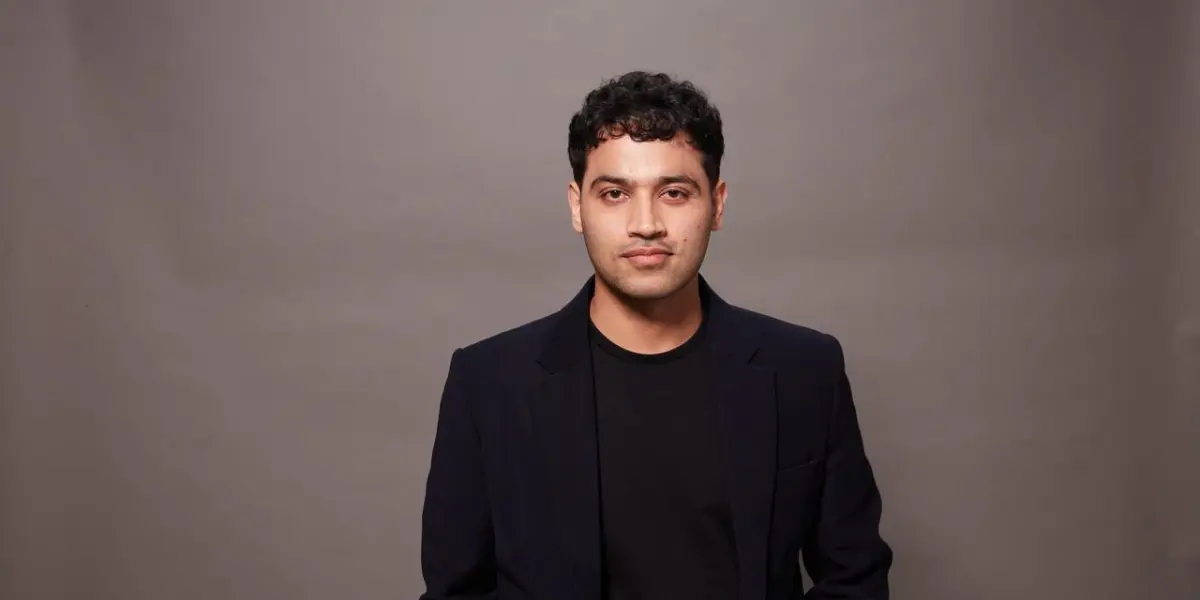
Raj Shamani’s YouTube channel has passed 22 million subscribers, overtaking the channels of Joe Rogan and Steven Bartlett as the Indian podcaster builds a media company employing almost 200 people.
Shamani launched Figuring Out in December 2020 after earlier attempts at podcasting failed. His interviews have since included Bill Gates, OpenAI chief executive Sam Altman and French President Emmanuel Macron.
The achievement marks a striking rise for the entrepreneur, who began recording in his bedroom in Indore, India, using a blanket to reduce the echo. He said his initial motivation was to learn from people who had already built successful businesses.
“I didn’t have capital. I didn’t have connections. I didn’t have the access to people who could teach me,” Shamani said. “Initially it was selfish, I just wanted to learn.”
Although his YouTube audience is now larger than those of Rogan and Bartlett, Rogan remains the most listened-to podcaster in the US, according to Edison Research’s podcast rankings.
Shamani’s company, Figuring Out Media, said its revenue increased by 176 per cent year on year in 2025 and by a further 200 per cent so far in 2026. The channel has added eight million YouTube subscribers this year alone.
The business records about 200 episodes annually but releases roughly 150, discarding the remainder. Rather than focusing solely on securing famous guests, Shamani said his team builds interviews around issues its audience wants answered.
“We weren’t competing for the biggest guest, we were competing for the most valuable question,” he said.
Figuring Out uses data to shape its podcast
A ten-person experimentation team, supported by AI agents, examines what encourages viewers to click, watch and subscribe. Its tests have included the timing of subscription requests and the amount of time Shamani should speak during an interview.
One test found that asking viewers to subscribe immediately after an episode trailer produced one new subscriber for every 232 views, compared with one for every 537 views when there was no prompt.
The team also found that viewers were more likely to leave when Shamani spoke more than his guest during the opening seven minutes. He subsequently began interviews with a brief question before allowing the guest to take the lead.
Technology has also been used to expand the podcast beyond India. Conversations are distributed in Hindi, English and Spanish, with clips adapted for different countries, regions and US states. Shamani said the proportion of viewers outside India had risen from about 3 per cent to 22 per cent, including an unexpected increase in Australia.
Before an interview takes place, the team analyses audience interests, chooses topics, assesses potential guests and prepares research documents of between 30 and 40 pages, including about 100 suggested questions.
Shamani said the analytical process stops once filming begins. “I need to be the most human version of myself,” he said. “After and before, it’s all science.”
From entrepreneur to media company
Shamani’s first experience of business came at 16, when he began helping in his father’s chemical-trading business following a health scare. After learning from YouTube videos how to make dishwashing liquid, he sold it door to door in Indore and later developed his own cleaning product, Jadugar Drop.
He then moved into public speaking and content creation, but his first two podcast projects did not last. One ran for only a few days, while another ended after he struggled to find guests.
Shamani describes himself as “extremely delusional”, saying he believes he can succeed despite lacking the strongest connections, the most money or the greatest talent in the room.
“I don’t have all of this,” he said. “But what I have is I can outwork everybody, and that selfawareness helped me.”
Figuring Out Media has expanded beyond the podcast into educational courses, investments and Relevance Media, a social media distribution business. A consumer goods division is also being developed.
Shamani said his ambition was to create a business that could continue beyond his own presence on camera. “There’s a creator and a company around him, and then there’s a company which happens to have a creator,” he said. “I think I’m building the latter one.”
