


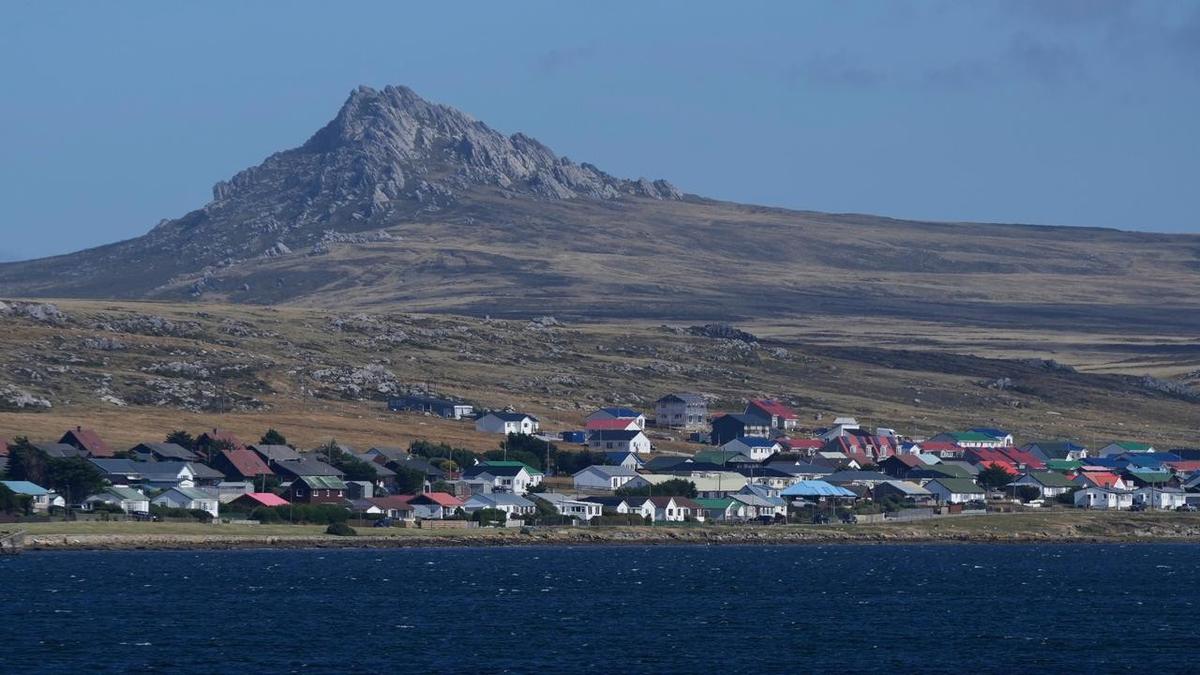
Argentina’s attempt to halt UK-authorised oil drilling near the Falkland Islands has been rejected by the International Tribunal for the Law of the Sea, in a setback for Buenos Aires’ efforts to restrict economic activity around the disputed territory.
The Hamburg-based tribunal voted 18 to three against Argentina’s request for provisional measures to suspend the Sea Lion project north of the islands, which are controlled by the UK but claimed by Argentina as the Malvinas.
Argentina had also asked the tribunal to prevent the UK from issuing new authorisations for the exploitation of maritime resources around the Falklands while arbitration proceedings continue.
Falkland Islands drilling plans
The UK argued that granting Argentina’s request would stop Falkland Islanders from developing their natural resources, with “devastating consequences” for the territory’s economy.
Maurice Kamga, the tribunal’s president, said the ruling on provisional measures “in no way prejudges” the tribunal’s jurisdiction to consider the substance of the dispute.
He also noted that the UK had told the tribunal drilling would not begin before March 2027, while extraction would not start before March 2028.
UK foreign minister Ed Miliband and Attorney General Ellie Reeves welcomed the decision in a joint statement. They said: “We now call on Argentina to respect the right of the Falkland Islanders to determine their own future and urge Argentina to end its wider economic pressure against the Falkland Islands.”
President Javier Milei said Argentina respected the tribunal’s decision and “will continue to defend its rights in the framework of international law”. He added: “This decision is not the final word.”
The ruling comes as Mr Milei’s government renews its push to advance Argentina’s sovereignty claim over the islands, an issue that has support across the country’s political spectrum.
Argentina invaded the South Atlantic archipelago in 1982, triggering a 10-week war that ended with its surrender to the UK and accelerated the fall of the country’s military junta.
The largely self-governing UK overseas territory has a population of about 3,660.
