


Australia’s domestic gas reservation scheme has passed parliament without a government target for how much household and business bills might fall under the new arrangements.
Resources Minister Madeleine King declined to nominate an affordable price, saying a figure could become a de facto price floor. The legislation requires the country’s biggest gas companies to reserve up to 20 per cent of their supply for the domestic market.
The measure cleared the House of Representatives on Friday morning after the Coalition allowed it to pass the Senate the previous night.
“We don’t want that figure to then become the floor, which is what happens with a cap,” Ms King told ABC Radio National when asked what the government considered affordable.
The government had previously promised before the 2022 election that energy bills would be $275 lower under Labor, but prices continued to rise. The latest policy is instead intended to maintain a modest domestic gas surplus, putting downward pressure on prices and providing greater protection from global price shocks.
Ms King told parliament the reforms would give Australian users better access to the country’s gas and provide manufacturers with greater certainty to invest, remain competitive and employ workers.
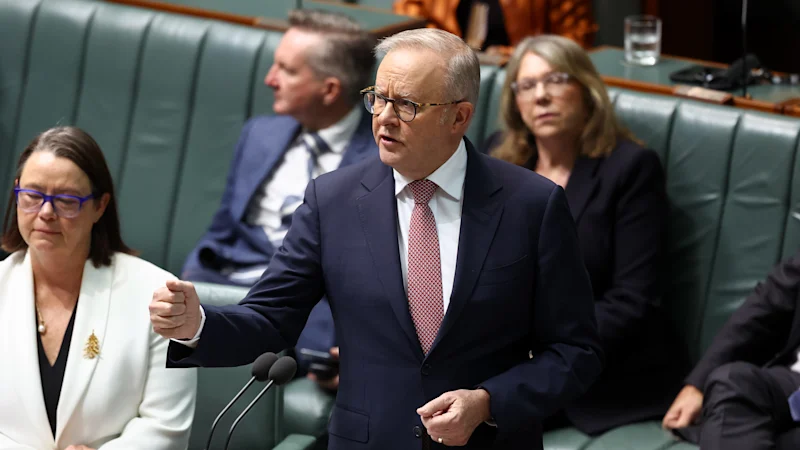
Prime Minister Anthony Albanese said Labor made no apology for prioritising households and manufacturers over producer profits.
“We must remember what the objective of this legislation is. It is about making sure that Australians get the benefit of the resource that is ours, that is owned by Australians,” he said.
Opposition energy spokesman Dan Tehan warned that the policy could deter future investment and damage the gas industry over time. The Coalition proposed changes aimed at increasing transparency around advice provided by the regulator to the minister, but the amendments were not expected to pass because the opposition lacked the numbers in the lower house.
“If you tank the gas sector in Australia, you will get short-term political gain, but you will get long-term political pain for this nation,” Mr Tehan told MPs.
He said the Coalition was concerned the scheme might work for several years before undermining the sector, while stressing that Australia needed gas revenue and to remain a reliable trading partner with countries in the Indo-Pacific region.
Nationals senator Bridget McKenzie said the Coalition had secured concessions including a review of the scheme’s effect on investment and an exemption for Western Australia. She said the party supported the principle that Australian gas should be available to households and businesses, despite concerns raised by industry and Labor’s record on energy prices.
