


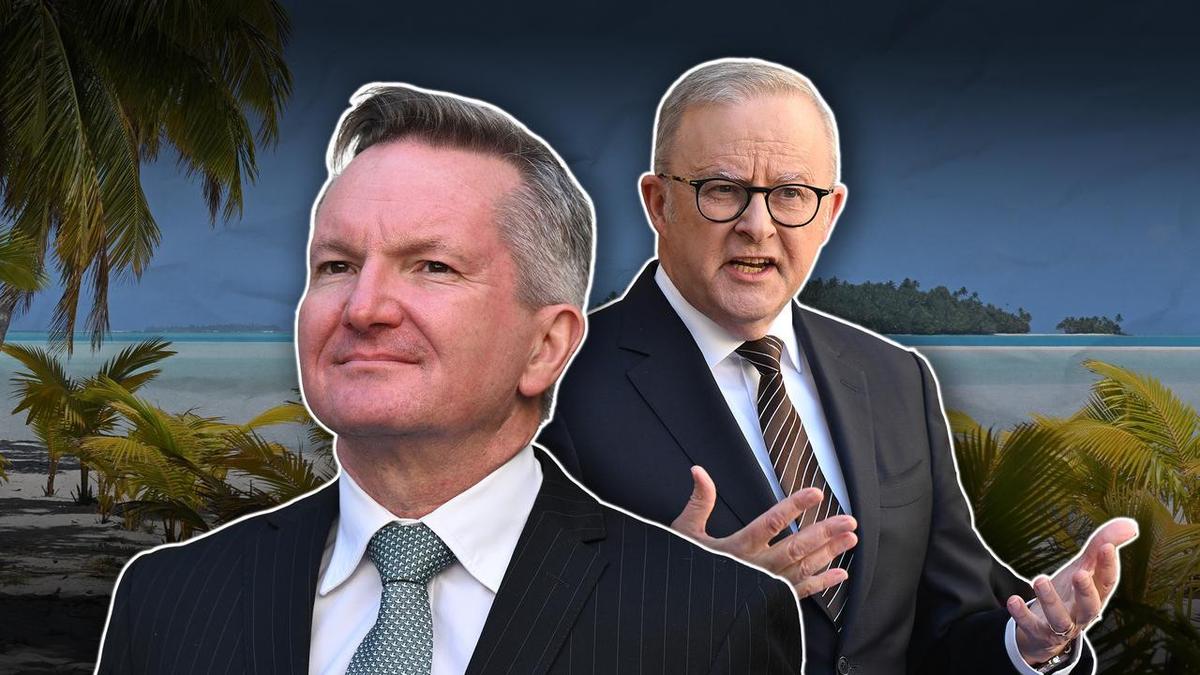
Australia’s climate credentials will come under renewed scrutiny at a pre-COP31 summit in Fiji, as the federal government weighs approval of a major coal mine expansion.
Prime Minister Anthony Albanese is due to attend the four-day meeting, which begins on Monday and brings together ministers and participants from more than 50 countries.
The event was part of a compromise negotiated by Australia after its unsuccessful bid to host the United Nations climate talks. The main COP31 conference is scheduled to take place in Turkey in November.
Representatives from the World Bank and the United Nations will attend the Fiji summit, alongside speakers including former Australian prime minister Julia Gillard and former New Zealand prime minister Jacinda Ardern.
Coal mine expansion puts Australia under pressure
Pacific leaders have questioned Australia’s climate record, pointing to the country’s continuing fossil fuel exports while island nations face rising sea levels.
Climate Change Minister Chris Bowen defended the Government’s approach and said he would point to Australia’s progress in renewable energy generation.
“The way you transition away from fossil fuels is by building renewable energy here in Australia and overseas,” he said.
“When I have conversations with my ministerial colleagues, whether they be from the Pacific or elsewhere… people understand that.”
The Greens have urged Labor to reject the proposed expansion of Hunter Valley Operations in New South Wales before the November summit, saying the decision was needed to “claw back any shred of credibility” on climate change.
The project would extend coal mining in the state until 2045. It is awaiting federal approval after receiving the backing of the NSW Independent Planning Commission on Wednesday.
The Australia Institute and the Australian Conservation Foundation placed a full-page advertisement in the Fiji Times apologising to Pacific island nations over the expansion, which they described as a “betrayal”.
Simon Bradshaw, Greenpeace Australia Pacific’s COP31 lead, said Australia had repeatedly acknowledged climate change while failing to address fossil fuels as a major cause.
“We cannot help decarbonise the world without action at home to halt fossil fuel approvals and phase out coal and gas exports,” he said.
The meetings are taking place amid an exceptionally hot European summer and concern over the potential effects of a powerful El Niño weather cycle, which is associated with warmer ocean temperatures.
Fiji and Tuvalu produce only a tiny share of global greenhouse gas emissions but face serious effects from climate change, including rising seas, extreme heat, drought and saltwater intrusion.
Amnesty International secretary-general Agnès Callamard said world leaders should listen to Pacific communities at the pre-COP event and respond with action.
“Concern without action will not hold back the tide,” she said.
