


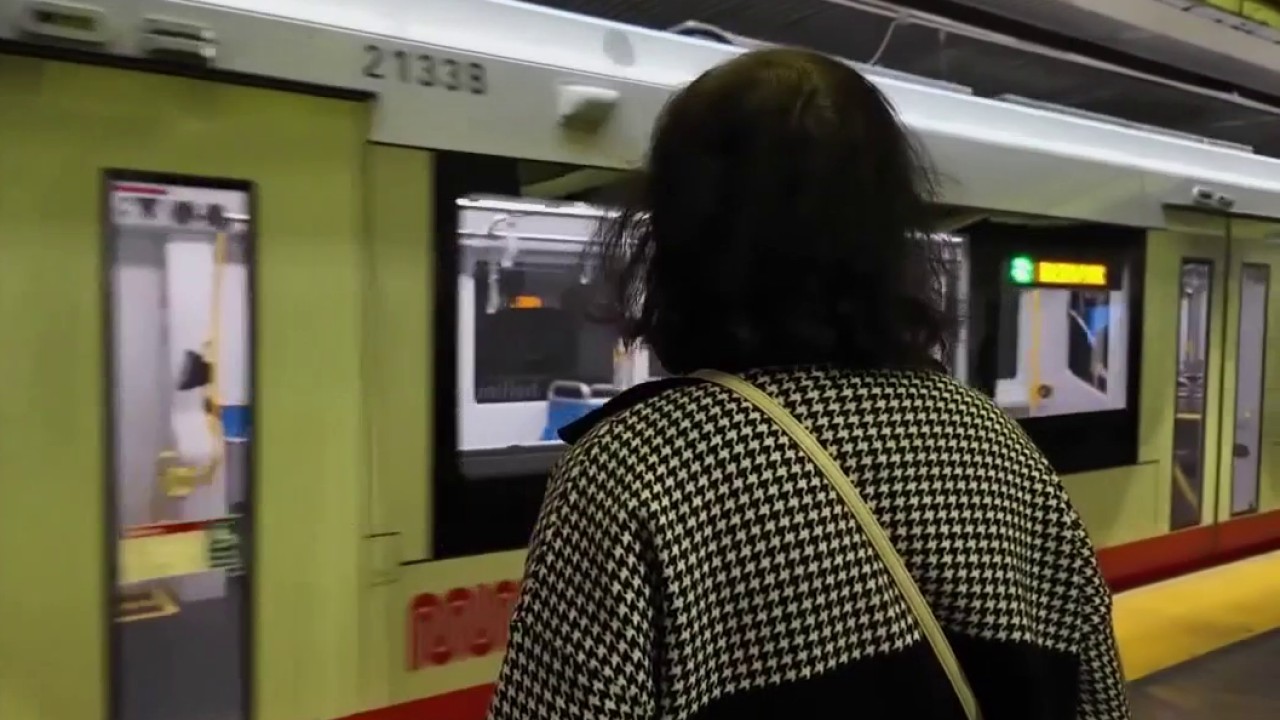
Bay Area voters are being asked to decide whether to approve a regional transit tax intended to protect services run by BART, Muni, AC Transit and the Santa Clara Valley Transportation Authority.
The measure will appear on ballots across Alameda, Contra Costa, San Francisco, San Mateo and Santa Clara counties during the November 3 election.
If approved, it would introduce a sales tax of 0.5% in four of the participating counties and 1% in San Francisco. The tax would remain in place for 14 years and is expected to raise about $980 million a year for public transport.
Regional transit tax could avert severe service cuts
The funding would be distributed among several transport operators, including BART, Muni, Caltrain, AC Transit, VTA, SamTrans, San Francisco Bay Ferry and Golden Gate Transit.
Supporters say the measure is needed as transit agencies confront large operating shortfalls after the depletion of pandemic-era financial support. They warn that failure at the ballot box could lead to major reductions in train and bus services.
In San Francisco, Muni is expected to receive about $155 million a year from the regional measure. The wider plan also includes money for reduced fares, accessibility programmes and improvements intended to make public transport more reliable.
The proposal was enabled by Senate Bill 63, known as the Connect Bay Area Act, which created a regional Public Transit Revenue Measure District. The Metropolitan Transportation Commission would oversee the distribution of the money if voters approve the tax.
The measure includes financial reviews of BART, Muni, Caltrain and AC Transit, along with independent oversight intended to ensure that the new revenue is spent according to the approved plan.
Opponents have argued that the proposal would place an unfair burden on households, particularly those on lower incomes, and have questioned whether transport agencies have done enough to control costs.
With Election Day approaching, the campaign has become a test of how far Bay Area voters are prepared to go to preserve a regional public transport network on which commuters, students and other passengers depend.
