


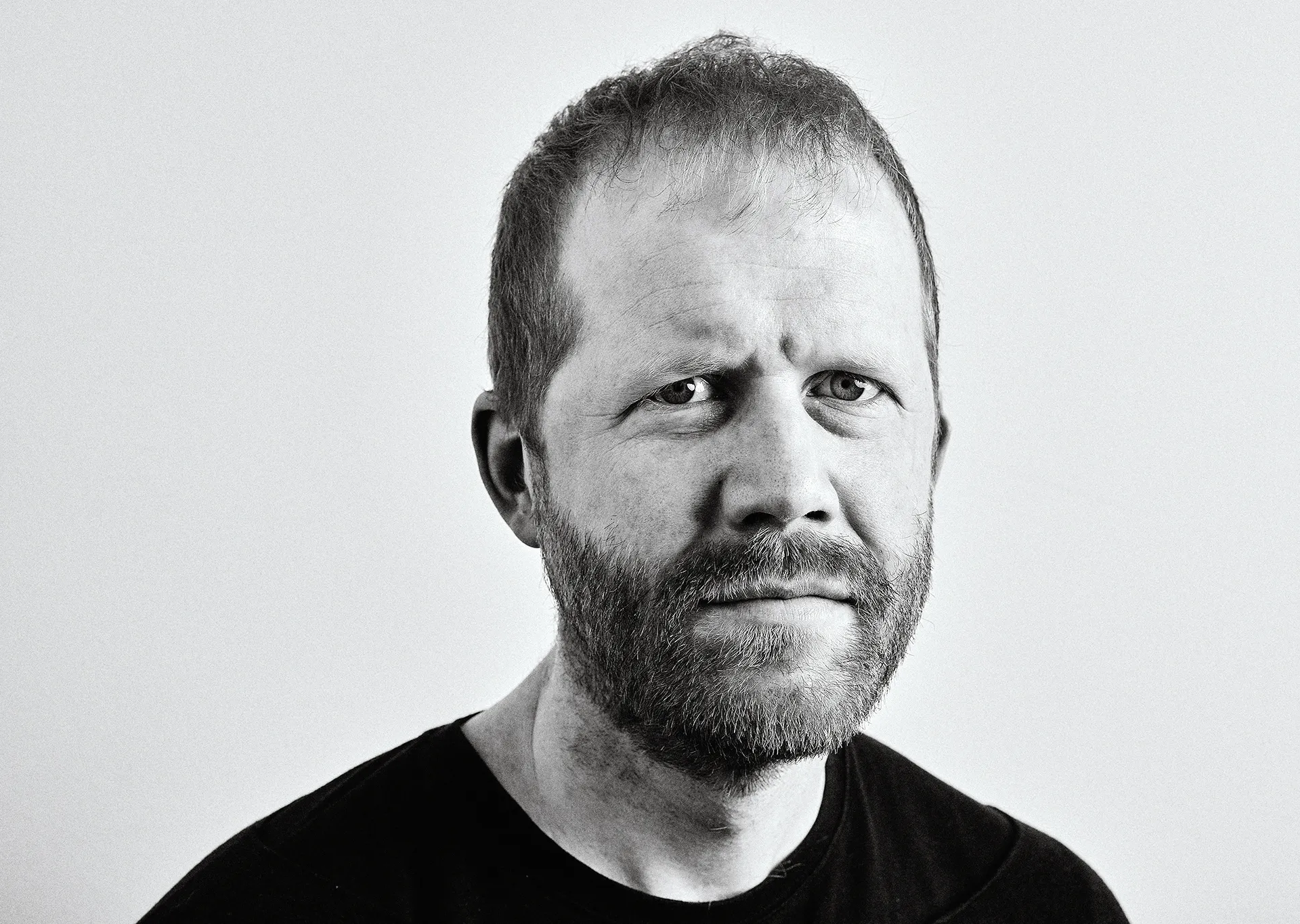
Swedish academic Andreas Malm has been denied entry to the UK after the Home Office cancelled his Electronic Travel Authorisation (ETA), saying his “presence in the UK is not considered to be conducive to the public good”.
The decision came a week before Malm was due to speak at a London event organised by the socialist magazine Tribune. He believes the cancellation is linked to his planned appearance alongside Huda Ammori, co-founder of Palestine Action.
The panel is due to be chaired by Hala Hanina of Palestine Deep Dive. Malm said he had contacted the Home Office seeking an explanation but had not received a response.
“I have been going regularly to the UK for decades. My position on Palestine has always been public,” he said, adding that his most recent visit was in May.
Malm said he had not made public comments about Palestine or written about the subject in the intervening months, and that his planned participation in the panel was the only apparent reason for the decision.
“The only thing that could have caused this [latest UK decision] is that I was due to be on a panel on Wednesday evening, where I would talk to Huda Ammori of Palestine Action,” he said.
He said his ETA, which he used to visit the UK in May, had allowed him to travel again later in the year without seeking fresh authorisation. He received no warning that it might be revoked before an email from the Home Office on Wednesday.
The department told him that he would need to apply for a visa if he wished to visit the UK, after which his circumstances would be considered in more detail. The stated processing time for a standard visitor visa is three weeks, meaning he would not receive a decision in time for next week’s event even if his application were approved.
Palestine Action controversy
Travellers from countries whose nationals do not generally require a visa to visit the UK, including countries in Europe, the United States and Canada, normally need an ETA.
Palestine Action was proscribed as a “terrorist” organisation under UK law last year while Keir Starmer was prime minister. The move placed the group on the same legal list as al-Qaeda and ISIL, and was condemned by rights groups including Amnesty International.
Malm said the decision reflected a broader restriction on debate. “What this is about is constantly diminishing the room for [the] exchange of opinion and ideas and painting people with a brush of illegitimacy, that you’re beyond the pale, you’re not allowed to say what to think,” he said.
He added: “If I’m now being deemed a threat to the public good because I’m supposed to have a conversation with someone from Palestine Action, this is guilt by association. Where does it stop?”
Gareth Dale, reader in political economy at Brunel University of London, said the decision suggested the Government intended to continue suppressing free speech under Prime Minister Andy Burnham.
“As Malm has committed no crime, we are left guessing as to the motives,” Dale said, describing the decision as “cynical and Kafkaesque”.
The Home Office had not provided clarification on the cancellation of Malm’s ETA or whether it was connected to the planned event.
