


Andy Burnham is set to travel to Brussels for a UK-EU summit as public support for Brexit wanes and the Prime Minister signals that talks on the country’s long-term relationship with the bloc could follow.
The meeting on Friday will focus on practical measures to improve co-operation, including a youth mobility scheme, an emissions trading agreement and a deal covering food and drink.
Burnham has ruled out major changes to the UK’s relationship with the European Union before the next general election. However, he has said he would like to see Britain rejoin the bloc within his lifetime and suggested that a future Labour manifesto could include a new referendum.
He has insisted he will not move ahead of public opinion, while arguing that the immediate priority is to improve the relationship that exists now. He is expected to begin discussions with the EU about longer-term options after this week’s summit.
Brexit debate returns to centre stage
The political debate has been revived by polling showing that a majority of Britons now regard leaving the EU as a mistake. In September, 55 per cent of YouGov respondents said Brexit had been the wrong decision, compared with 21 per cent who considered it right.
Support for rejoining the EU has reached 59 per cent, according to the same polling. But the terms of any future relationship could prove decisive, with different models attracting sharply different levels of support.
A separate YouGov survey presented voters with 18 possible options. The most popular involved staying outside the euro, joining the Schengen border-free area and retaining the UK’s former rebate from the EU budget.
Under that arrangement, 58 per cent said they would vote to rejoin. Support fell to 35 per cent in a scenario involving the euro, no rebate and no membership of Schengen.
The figures underline the continuing argument over what Brexit, or a return to the EU, would actually mean. Theresa May’s slogan that “Brexit means Brexit” did not settle questions over whether the UK should pursue a harder or softer separation, or alternatives such as Norway Plus or Canada Plus.
Cheesemakers seek fewer barriers
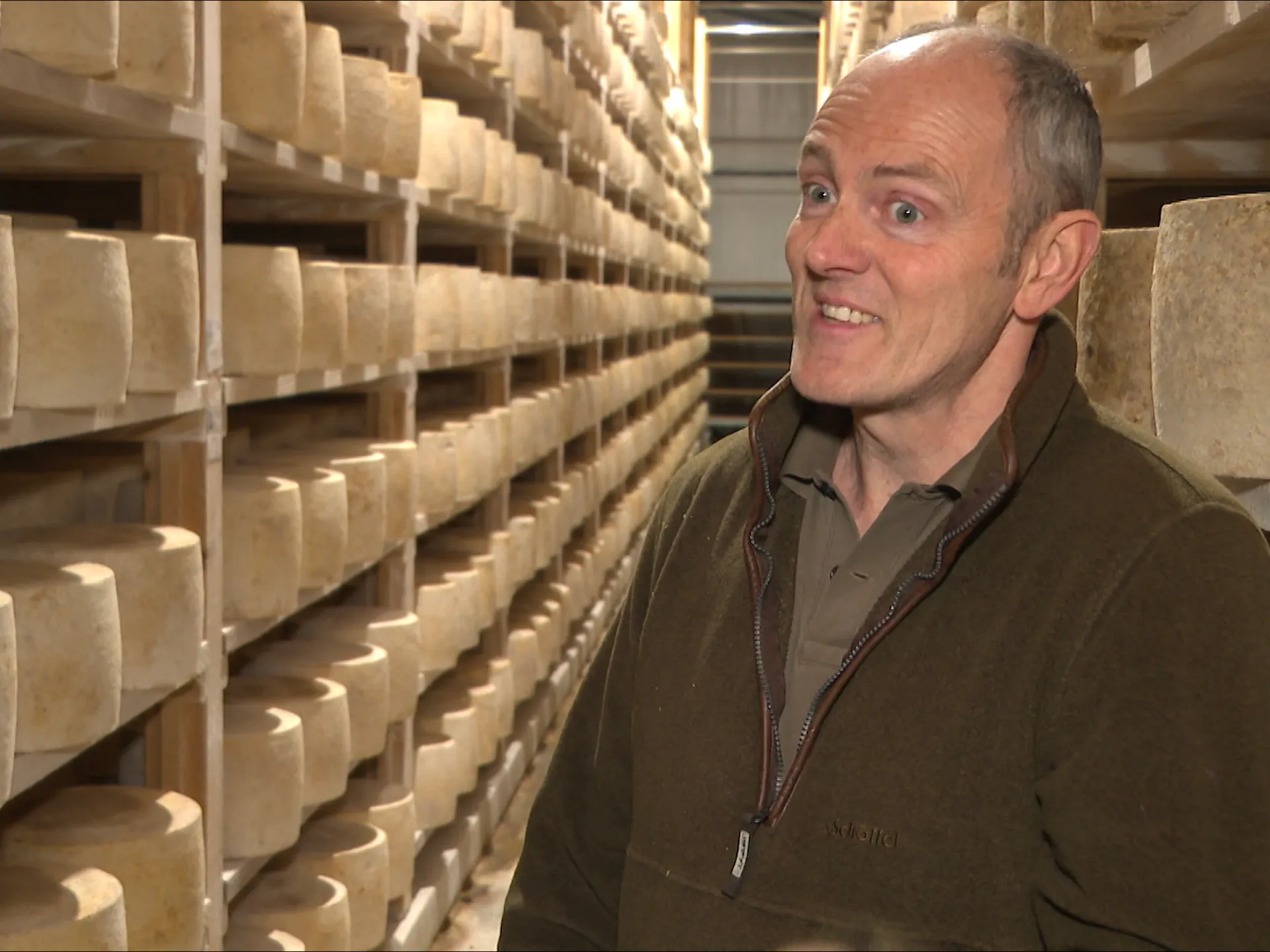
For businesses trading with Europe, the practical consequences remain more immediate. Tim Jones, who makes Lincolnshire Poachers cheese in Lincolnshire, voted to leave but says the decision made exporting more difficult and costly.
“It suddenly made life much harder. We lost certain customers, and it became more expensive to get the cheese there. It definitely harmed our business,” he said.
Jones said he supported Brexit, but not the way it was carried out. He is hopeful that Burnham’s efforts could reduce the administrative burden facing exporters.
“If he can reduce the red tape and the cost of sending cheese to Europe – and for us that means across the world – that would be a huge positive for us,” he said.
He was less certain how he would vote in another referendum, saying his decision would depend on a much more critical examination of the arguments than he had made the first time.
Two pro-Brexit campaign groups are relaunching under the names Stay Out and Enough Official, signalling the prospect of renewed political conflict as the Government prepares to discuss the UK’s future relationship with Brussels.
