


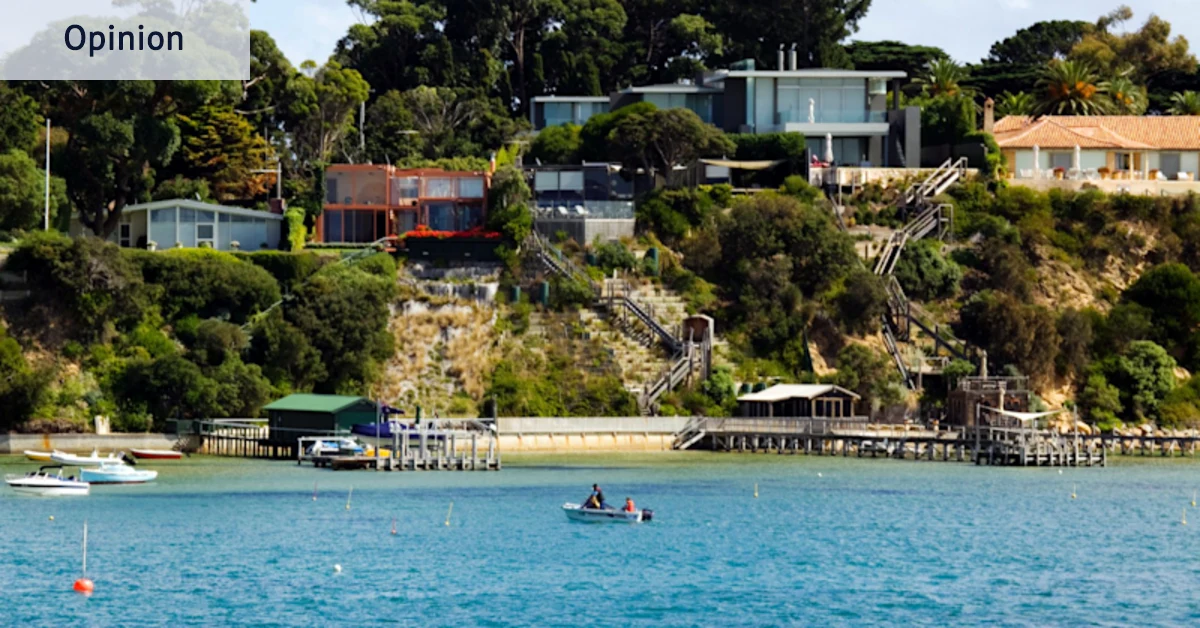
Transferring a holiday home to children may eventually improve a couple’s eligibility for the age pension, but the asset could still count towards their assessment for five years after it is given away, a financial planner has warned.
The couple, who are approaching retirement, own a holiday property valued at about $600,000 in the wife’s name. It produces no income, and they have around $650,000 in superannuation.
They are considering transferring the property to their three children, potentially through an ownership structure that would allow the family to retain shared ownership while ensuring a smoother inheritance.
Paul Benson, a Certified Financial Planner at Guidance Financial Services, said the concern about the pension asset test was justified. The current cut-off for a part age pension is $1.12 million.
However, giving away the property would not remove it from the assessment immediately. Under gifting rules, the value of the holiday home, less $10,000, would continue to be included in the couple’s assets for five years.
“The day after the transfer, as far as Centrelink is concerned, you have almost the same number of assets as you had the day before,” Mr Benson said.
Because the property generates no income, he said its treatment during that five-year period would be neutral for the couple. Once the period ended, their assessed assets would be lower, which could increase their age pension entitlement.
Holiday home transfer could have tax and legal consequences
Mr Benson urged the couple to seek legal advice before changing ownership. A transfer could have stamp duty and capital gains tax consequences, while the family would also need to consider what might happen if one of the children later went through a divorce.
He also questioned whether the couple could afford to give up the property. They should consider whether it might need to be sold in future to fund their own care and living costs later in life, he said.
The advice comes as another family weighs how to secure its long-term finances. In that case, the parents have $700,000 in the bank, with the mother holding $400,000 in superannuation and continuing to work part-time at 63. The father retired at 70 and has withdrawn his super, while their home is fully paid off.
Mr Benson said keeping 64 per cent of their financial wealth in cash was unlikely to be the best approach. He recommended financial planning to establish their future income needs, possible large expenses and whether they intended to remain in their current home.
A planner could then model how their assets might develop, including potential age pension entitlements, and consider ways to use their savings more effectively. Their ages also meant there was still scope to make greater use of superannuation.
For a 62-year-old asking whether tax-deductible super contributions remain available after reaching the limit for after-tax contributions, Mr Benson said concessional contributions could still be made up to the current cap of $32,500.
Employer contributions count towards that limit, while concessional contributions are taxed at 15 per cent inside the fund, rising to 30 per cent for high-income earners. He said those costs should be taken into account when deciding whether the contributions were worthwhile.
The guidance is general in nature and does not take account of individual circumstances. Professional advice should be sought before making decisions about property, pensions or superannuation.
