


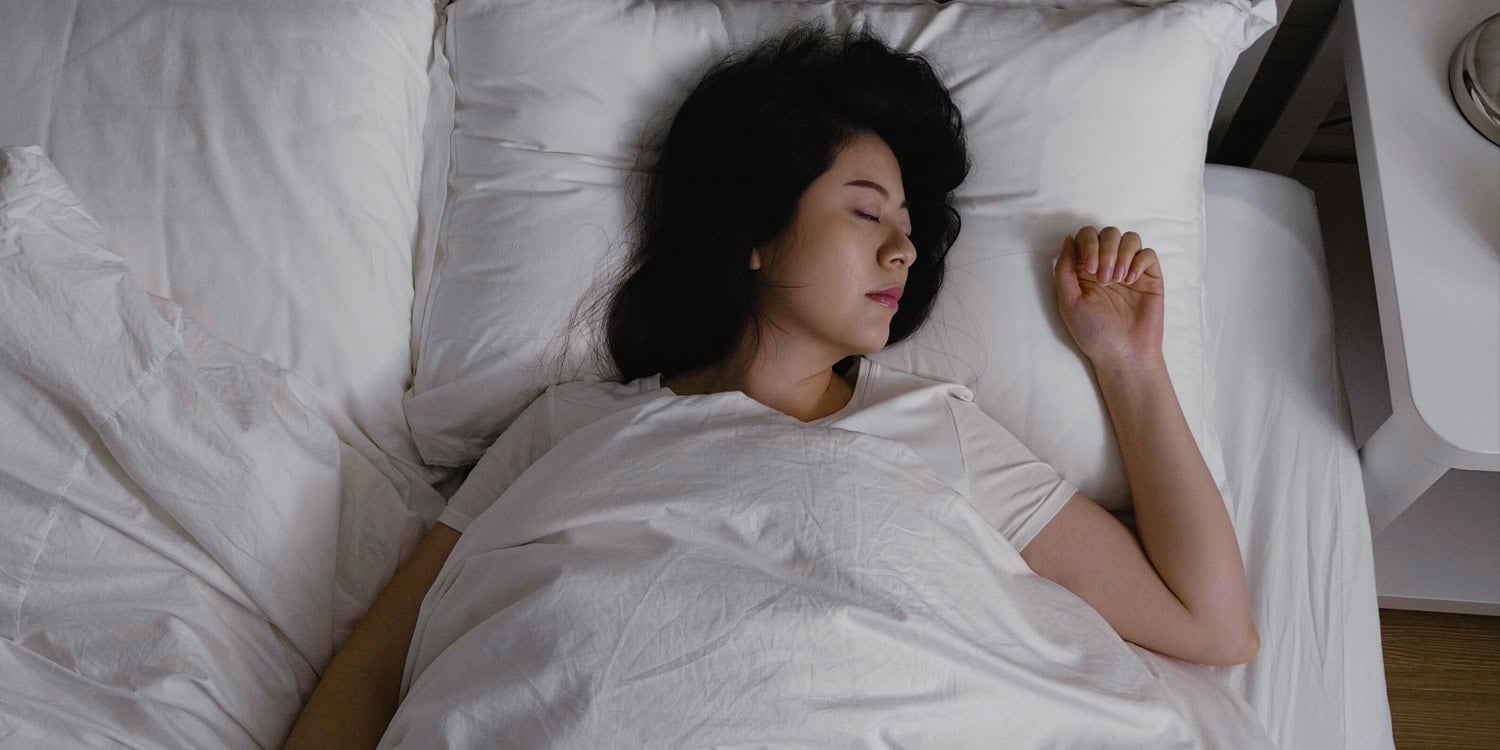
Daytime stress is linked to negative dream emotions, a new study indicates, with researchers suggesting that the more distressed people feel during waking hours, the more likely their dreams are to carry negative emotional tones. The work, led by Jonas Mathes of SRH University Heidelberg, analysed data from 65 participants collected over a two‑week period.
Psychologists frequently discuss the Continuity Hypothesis, which posits that waking experiences, thoughts and feelings feed into dream content. In this study, the researchers explored whether the coping strategies people use to manage daytime stress shape the emotional tone of their dreams.
Coping strategies are commonly categorised as adaptive or maladaptive. Adaptive approaches include seeking social support, maintaining a positive mindset, or actively solving problems. Maladaptive methods, meanwhile, can involve avoidance or unhealthy behaviours such as excessive alcohol use or smoking. The researchers asked participants to report both their typical coping styles and their daily stress levels to see if these habits alter nocturnal emotions.
The study also touches on the Mastery Hypothesis, a theory that posits dreaming may function as an overnight coping mechanism, allowing the brain to rehearse emotional regulation or problem solving in a safe, off‑line environment.
Participants were recruited largely via social media, with 65 individuals aged 17 to 61 taking part; most were female and students. Before the tracking began, they completed a survey assessing daytime stress across several life domains, including finances, performance pressures at work or school, and health uncertainties, and they identified their usual coping strategies as either adaptive or maladaptive.
For 14 consecutive days, participants kept an online dream diary. Each morning they noted whether they remembered a dream and rated the intensity of any positive or negative emotions on a scale from zero to three. They also recorded the types of emotions present in their dreams—fear, sadness, contempt, joy, anger, disgust and surprise—with multiple emotions allowed—and indicated whether they felt the dream was a nightmare in a personal interpretation rather than a clinical definition.
Across the diary period, participants logged 276 dreams. Surprise and joy emerged as the most common emotions, appearing in the majority of entries. However, 39 per cent of dream reports contained primary negative emotions such as fear, sadness, contempt, anger or disgust.
Approximately 11 per cent of dreams were self‑described as nightmares. Nightmares were closely tied to negative dream emotions, particularly anger, and were associated with lower levels of joy.
When the researchers compared waking distress with dream content, they found that higher daily stress reliably predicted more intense negative emotions in dreams. Interpersonal and financial worries—uncertainties about family, friends, romantic relationships and debt—showed the strongest link to negative dream emotions.
The study then examined whether daytime coping strategies altered this carryover. Contrary to expectations, adaptive daytime coping did not significantly reduce negative dream emotions, and maladaptive coping did not significantly increase them. In other words, relying on social support or positive thinking did not predict fewer negative dreams, nor did engaging in alcohol or cigarette use during the day markedly raise the odds of negative dream emotions.
Several limitations are noted. The findings rest on self‑reported, retrospective diary entries, which may be affected by memory errors or retrospective reinterpretation of dreams. The sample skewed younger and largely consisted of students, potentially limiting how far the results apply to the broader population. The frequency of nightmares was relatively low, constraining conclusions about nightmare disorders. The study’s measure of maladaptive coping focused only on alcohol and cigarette use, omitting other common maladaptive strategies such as overeating or social withdrawal.
The authors acknowledge that future research could broaden behavioural measures of maladaptive coping, include individuals who experience frequent, severe nightmares, and track participants over longer periods to capture fluctuations in stress and dream content more accurately.
The study, “Coping Strategies and Dreams: The Impact of Waking-Life Distress on Negative Dream Emotions,” is by Jonas Mathes, Eileen Hizal-Keul, and Nadia Sosnowsky-Waschek.
