


Jewish and Muslim organisations are urging the Australian government to give citizens a private right to sue major technology companies over failures to tackle online hate, as Labor negotiates support for its proposed Digital Duty of Care Bill.
The Albanese government hopes to pass the legislation before the end of the parliamentary year, but faces opposition from conservatives concerned about its potential impact on free speech and resistance from the US technology industry.
The Greens are seeking stronger measures in return for backing the bill, including larger penalties based on global tech revenues, protections against compulsive scrolling and the ability for individuals to bring lawsuits or join class actions against platforms.
More than 80 organisations are supporting the campaign, including unions, the Executive Council of Australian Jewry and the Islamic Council of Victoria. Labor is considering the private right of action as it seeks to secure the Greens’ support.
Josh Bornstein, director of corporate regulation at the Australia Institute, said the bill currently referred explicitly to harm connected with gendered violence but should also cover racist and homophobic hate speech.
“As the royal commission into antisemitism made clear, the most extreme forms of hate speech are propagated by social media giants because they profit from doing so. That has got to stop,” he said.
Supporters argue the proposed duty would regulate the way platforms amplify harmful material rather than outlawing individual posts or restricting users from expressing particular views.
Greens senator Sarah Hanson-Young said the proposal was not aimed at individual users. “These rules are not about individual users at all or stopping people posting certain things,” she said.
Digital Duty of Care faces technology industry resistance
Google, which is due to give evidence to a parliamentary inquiry, has argued that the bill is modelled on workplace safety legislation that expressly excludes a private right of action. It said enforcement should remain with a dedicated safety regulator and warned against introducing a new legal avenue without wider changes to the proposed duty.
The company said Australians could still bring claims under existing law. If a private right were created, it called for a higher threshold of “serious harm” to prevent courts being overwhelmed by minor, vexatious or trivial disputes.
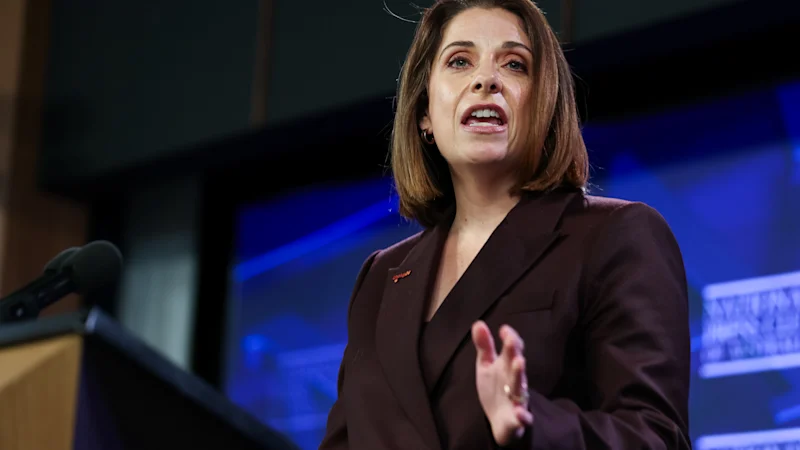
Communications Minister Anika Wells said the government had heard calls for such a right from digital and consumer rights groups, women’s organisations and advocacy bodies. “We’ll keep working that through in good faith,” she said.
Mr Bornstein rejected the argument that the eSafety Commissioner should have sole responsibility for taking action against social media companies. He said the regulator had received more than 100,000 complaints in the past year but acted in only 2 per cent of cases, adding that the commissioner supported a private right of action.
The bill would also allow users to opt in to algorithmic recommendations. The proposal is among a series of Australian digital regulations that have drawn criticism from the Trump administration and large technology companies.
The Computer and Communications Industry Association, a leading US technology lobby group, has claimed the duty could encourage platforms to remove or over-police content that falls into borderline categories.
Education Minister Jason Clare said the political debate had shifted sharply. He argued that the Coalition’s opposition reflected pressure from One Nation, despite the duty of care concept having previously been supported by former treasurer Josh Frydenberg in evidence to the antisemitism royal commission.
