


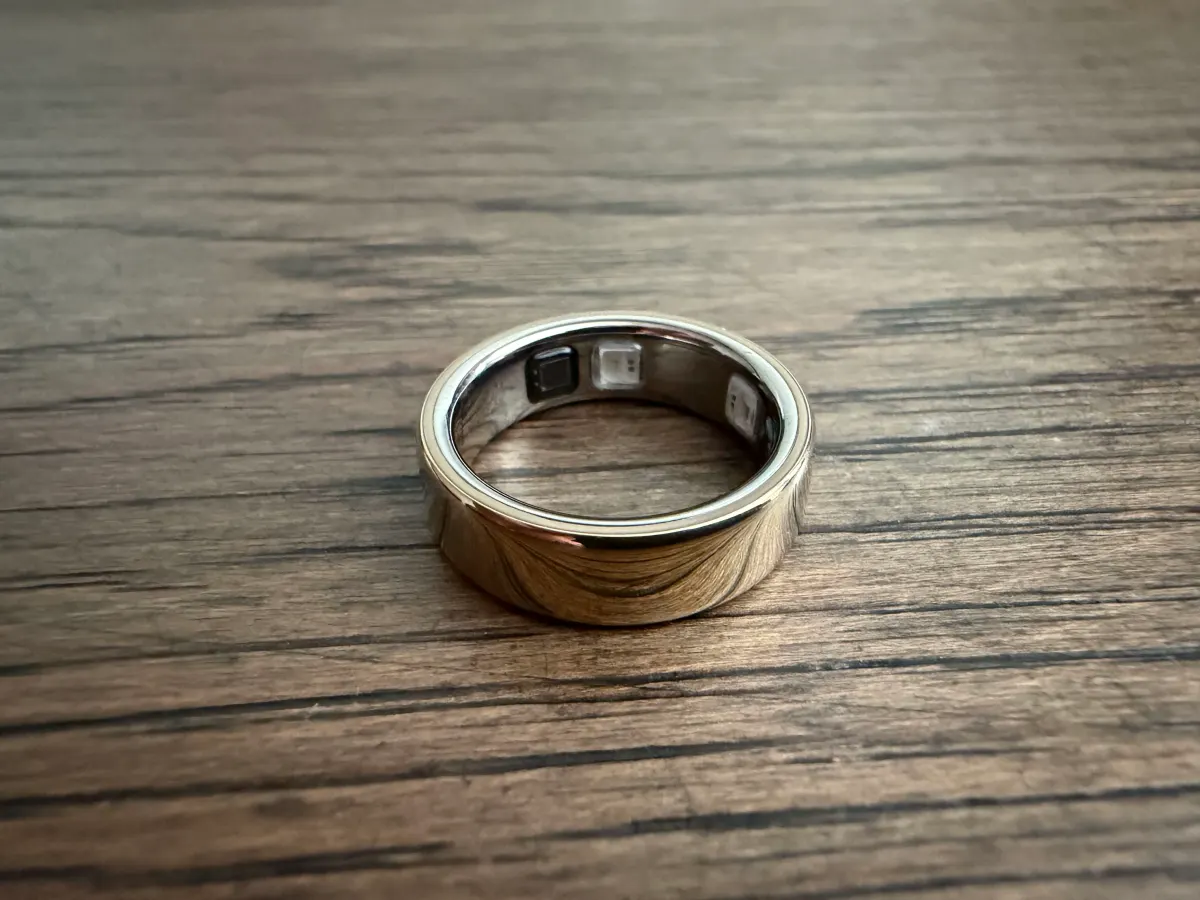
Smart-ring maker Oura has filed to go public in the US, setting the stage for an initial public offering as the Finnish-founded health technology company reports a sharp rise in revenue and subscriber numbers.
Documents filed with the Securities and Exchange Commission show that Oura generated $1.2 billion (£905 million) in revenue in the nine months to 30 June this year, up from $697 million in the same period last year.
The company has previously said it recorded revenue of about $500 million in 2024 and roughly $1 billion in 2025. It expects revenue to approach $2 billion this year.
Oura said it had sold 3.6 million rings over the past 12 months and had approximately five million paying members. Subscribers receive access to wider health measurements through the company’s app.
The filing puts Oura’s weighted-average 12-month membership retention rate at about 85%, meaning that roughly eight and a half in every 10 members remain subscribed a year after signing up.
Oura’s rings typically cost between $350 and $400. They track biometric information including heart rate, metabolism, stress and sleep, with the accompanying app presenting the products as an “always-on health intelligence platform”.
Oura IPO plans and expansion
Oura confidentially submitted its IPO paperwork in May. Reports last month said the company was considering raising $3 billion through the offering, while Bloomberg reported that it could seek a valuation of about $16 billion.
That would represent an increase on the approximately $11 billion valuation assigned to Oura in October last year.
In its filing, Oura said it believed its potential market extended beyond conventional fitness tracking. It pointed to plans to expand access to its products, build clinical evidence and develop links with health insurers, employers and healthcare providers.
The company also said it had collected nearly 42 billion hours of physiological data across more than 50 health and wellness measures. It said the information supported its artificial intelligence and machine-learning systems, helping to improve their accuracy, personalisation and predictive abilities as members built longer health histories.
Oura, which has offices including in San Francisco, is also facing a proposed class action lawsuit over the accuracy of its sleep-tracking technology. The case alleges that the rings cannot detect the physiological signals required to identify sleep stages and instead rely on estimates that are substantially less reliable than advertised.
The allegations have not been proven in court. Oura has disputed the claims and said it would defend itself in the appropriate legal forum.
