


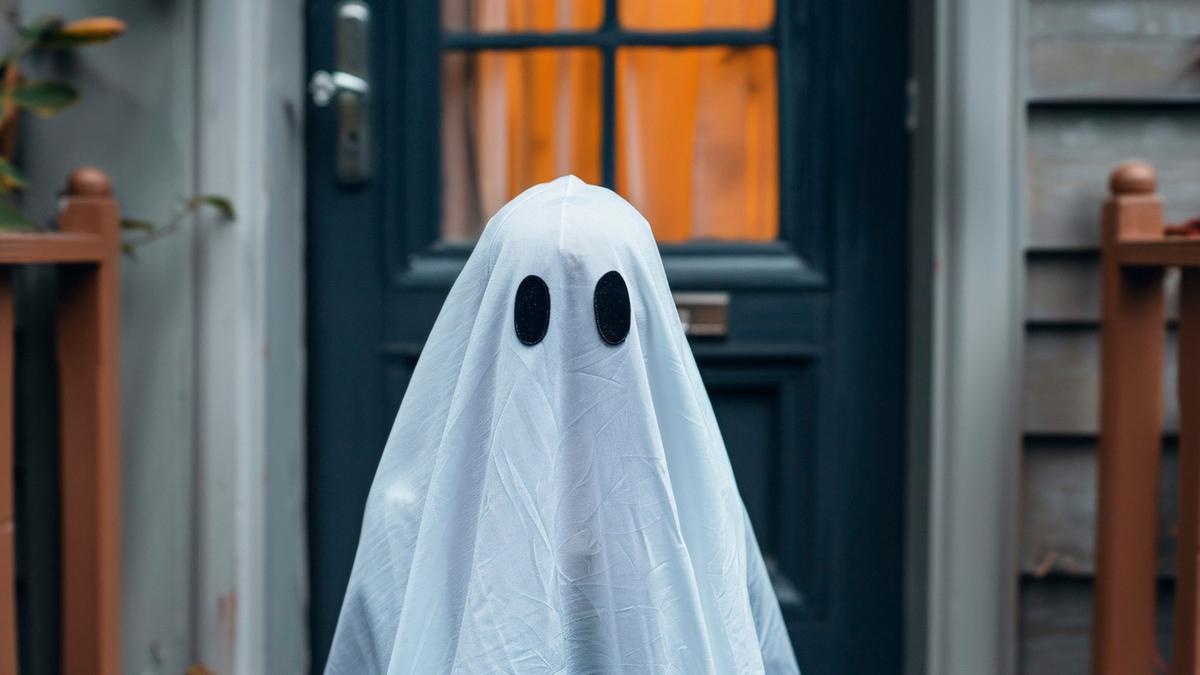
Ghost sightings may be more common in winter because longer nights, colder weather and heightened anxiety create the conditions for people to interpret strange experiences as paranormal, according to parapsychologist Ian Fairholm.
Fairholm, a psychology lecturer at the University of Bath who specialises in parapsychology, said the period following Halloween could also encourage people to think about ghosts and share stories about unexplained events.
“We’ve just had Halloween and it’s getting darker earlier. It’s when we want to tell stories and swap ideas and that fits in with us being maybe a little bit more anxious,” he said.
Some noises attributed to hauntings may have an everyday explanation, Fairholm suggested. Buildings can behave differently when central heating is switched on, while unusual sounds in old properties may be linked to pipes, gaps and other structural features.
He also pointed to infrasound: acoustic pressure waves below the usual range of human hearing. The theory is that, although people may not consciously hear it, infrasound could still affect them and contribute to feelings of dread.
Fairholm said the fascination with ghosts was also tied to wider questions about human existence. “Ghosts relate to what it means to be human, what the next state of being is. We know what it is to be alive but we don’t know what comes next,” he said.
Paranormal investigator Colin Browen has separately argued that hauntings are not always frightening. He said he had encountered “happy, jovial spirits” and described one night spent telling jokes to spirits while devices appeared to respond.
Browen said horror films and documentaries had helped create the impression that every haunting was intense or dangerous. In his view, some alleged spirits may simply be seeking acknowledgement, help with a task or a degree of respect, rather than intending to harm anyone.
