


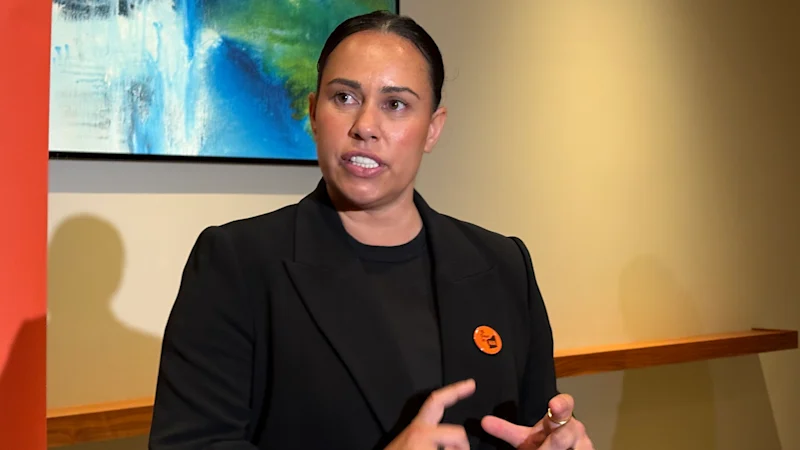
The prospect of Kenneth Pickett’s parole has prompted a warning from his niece, Kirby Bentley, who said her aunt’s killer could not be safely released from prison.
Pickett was sentenced to life imprisonment after murdering his estranged wife, Andrea Pickett, in North Beach, Western Australia, in January 2009. He will become eligible for parole on January 13, 2029, after serving the minimum 20-year period.
Speaking at a 16 Days in WA breakfast on Monday, Bentley described years of abuse and missed opportunities to protect her aunt and her seven youngest children.
She said Andrea had reported violence, obtained a violent restraining order and sought help from police and government services while trying to find safe accommodation.
“She was doing exactly what we tell women to do. She was asking for help. In fact, she was pleading for it, and despite everything she did, she was not protected,” Bentley said.
Bentley also referred to findings from the coronial inquest into Andrea’s death, saying Pickett had killed family animals and told relatives that doing so would make it easier to kill a human.
She said Pickett had threatened to kill people who supported or helped Andrea, and urged decision-makers, including Western Australian Premier Roger Cook and Attorney General Tony Buti, to put her family’s safety first as the parole date approached.
“Release is not automatic when the minimum period ends,” Bentley said. “But as the date approaches, our family has every right to ask: what assessment is being made of the risk to the people he’s already made threats to?”
She added: “In my mind, there is no safe manner at all for him to be released.”
Attorney General responds to Kenneth Pickett parole concerns
In Western Australia, the attorney general has the power to release prisoners serving life sentences after receiving advice from the Prisoners Review Board.
Mr Buti said he could not prejudge any future decision, but indicated that demonstrating the community would be safe if Pickett were released would be difficult.
“It’s going to be very difficult to show that the community is going to be safe with this individual released,” he said.
He said monitoring of high-risk offenders had changed since 2009, pointing to high-risk serious offender legislation and electronic monitoring. If Pickett were eventually released, Mr Buti said, he would expect an application under the legislation and “incredibly strict conditions”.
The breakfast came as the Western Australian Government announced plans to introduce coercive control legislation next year, with the aim of having it become law by this time next year.
Mr Buti said the legislation was being drafted, but did not give a precise date for its introduction to parliament. He said its success should not be judged solely by prosecution rates, but by whether it helped moderate controlling behaviour and reduce domestic and family violence.
The government also announced $121 million in new funding to tackle family and domestic violence, including $23.2 million from the Housing Australia Future Fund for 48 transitional homes. Thirty-one of the homes will be for women and children escaping family and domestic violence.
A further $11 million will be allocated to technology-facilitated abuse, including secure devices for victim-survivors.
