


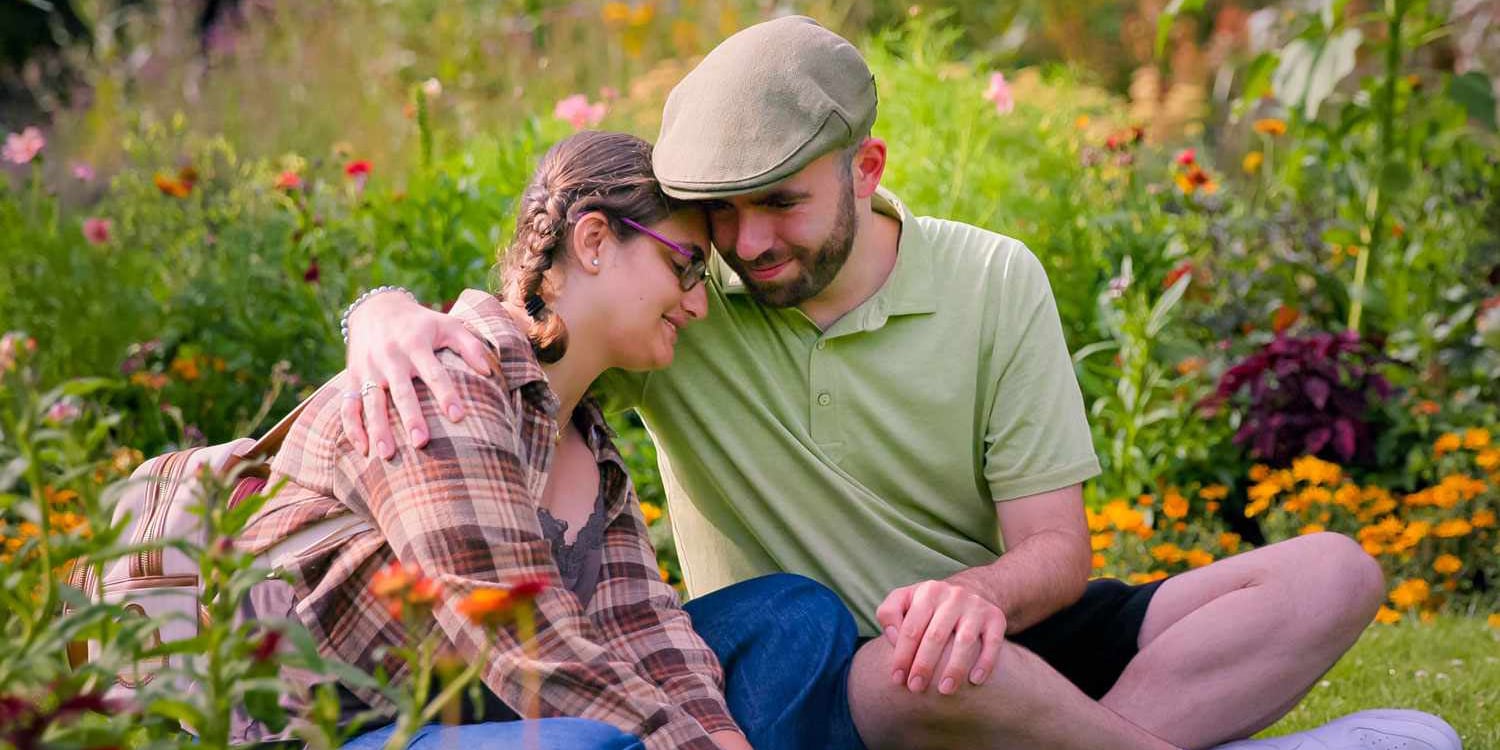
The Love on the Spectrum reception has sparked a wide-ranging debate among critics, autistic voices and clinicians about its portrayal of dating and autism. The American edition, streaming on Netflix, follows an ensemble of autistic adults navigating romance, and is based on an Australian programme of the same name.
Six reviews from autistic adults, journalists and clinical professionals converge on several shared themes, including honesty, warmth, and the programme’s handling of romance. The critics also identify one major area where views diverge: the level of dating coaching and support provided to the cast.
The critics describe the series as an antidote to much of modern reality television, which often foregrounds conflict and manufactured drama. The Guardian’s Louis Staples notes the historical drift of dating shows toward heightened confrontation, citing examples such as Big Brother and The Bachelorette. Kerry Magro, writing for Autism Speaks, contrasts the show with drama-driven franchises like The Bachelor. Sara Luterman for The Transmitter observes that the production does not manufacture arguments and that no cast member is ever voted off. Maya Salam of The New York Times adds that the series fulfils the original promise of reality TV by feeling honest and unscripted.
Key themes and the coaching split
Kindness and warmth emerge as defining tones, even among critics who have reservations. Luterman describes the show as kind and well-intentioned, while Psychology Today’s Lisa Sheinhouse frames it as a sincere attempt at inclusion. Salam cautions that, while uplifting, the effort should not be reduced to mere “feel-good TV,” recognising the depth of the programme.
A central theme across the reviews is the show’s challenge to the stereotype that autistic people lack an interest in dating or cannot find love. Nils Skudra, writing for The Art of Autism, argues that this myth-busting is the programme’s core achievement. Salam counters a related political claim—specifically, that autistic children will “never go out on a date”—by highlighting the series’ repeated demonstrations to the contrary. Staples highlights cast members experiencing typical pre-date anxieties, such as concerns over what to wear and whether their date will like them. Magro casts Michael as a role model for many, praising his clarity about what he wants in a relationship and his refusal to settle.
The reports emphasise the power of acceptance, with relationships often thriving when partners embrace each other’s autistic traits. Luterman notes a scene in which Sharnae helps her boyfriend Jimmy with navy blue socks after his distress, modelling understanding rather than irritation. Skudra uses Kaelynn’s account of disclosing autism in order to obtain a service dog as an example of the challenges some cast members face in finding a partner who understands their condition. Staples applauds Emma for her directness on dates, while Salam cites Abbey’s song about her boyfriend David, praising his effort to learn how her mind works—David perceives colours as numbers, a condition known as synesthesia.
Representation beyond heterosexual relationships is another highlighted strength. Magro points to bisexual cast members Teo and Mark; Luterman applauds the highly popular Chloe-and-Lotus date; Salam notes Pari and Tina’s same-sex romance in the third season. Yet Luterman also argues that the show under-represents queer autistic people, noting that autistic individuals are more likely to identify as LGBTQ than the general population.
Family dynamics feature prominently in the discourse, with Salam and Staples viewing the show as much a story of support networks as of dating. Luterman, however, criticises the approach as infantilising, arguing the programme relies heavily on interviews with parents rather than with autistic adults themselves. She contends this framing can treat capable adults as if they were helpless children.
Beyond the on-screen dating, reviewers raise concerns about how representative the show is of real life. Luterman challenges a cast-member’s claim that only five per cent of autistic people find love, noting the lack of robust scientific data for such precision. She also points to the predominantly white cast and to broader real-world disparities in autism diagnosis for people of colour. Sheinhouse warns parents watching at home that TV dating guidance is not a realistic template for real life. Salam concedes that a single programme cannot capture the entire spectrum of the autism community.
The most prominent fault line among the six reviews concerns dating coaching and support. Clinician Sheinhouse argues for more structure, suggesting dates should be chaperoned and that on-screen interventions should occur when conversations become uncomfortable. She advocates formal education on consent and safe interaction with strangers, particularly online.
Autistic reviewers take a contrasting view. Luterman argues that the coaching teaches scripted “neurotypical” behaviours—eye contact, chair-pulling, and suppressing discussions of special interests—rather than fostering genuine emotional connection. They contend such exercises do not reflect authentic autistic ways of relating. In contrast, Skudra and Staples offer constructive praise for Jennifer Cook, an autistic autism expert who runs role-playing sessions with the cast, arguing that rehearsal helps cast members build confidence before dates.
The debate over coaching reflects a wider tension: should the series provide more guardrails and protections, or should it prioritise autonomy and self-determination? The autistic reviewers—Magro, Luterman and Skudra—frame their critique around personal dignity and accurate representation, while the clinical reviewer focuses on safety and preparedness. Taken together, the six perspectives illuminate how a dating show can spark broad conversations about human connection, disability, and independence.
