


Botany has the feel of an island, with limited routes in and out, wetlands and an aquifer that can leave roads vulnerable to flooding when storms arrive. Yet the Sydney suburb’s isolation is matched by a strong sense of community, lively local venues and a remarkable mix of green space, wildlife and industry.
Approaching from the city means travelling south along Botany Road, through Redfern, Alexandria, Mascot and Sydney Kingsford Smith Airport. As the traffic thins, the road crosses wetlands where pelicans and black swans can be seen before reaching the suburb’s centre, marked by Botany Public School, described as Sydney’s first and one of the oldest in New South Wales.
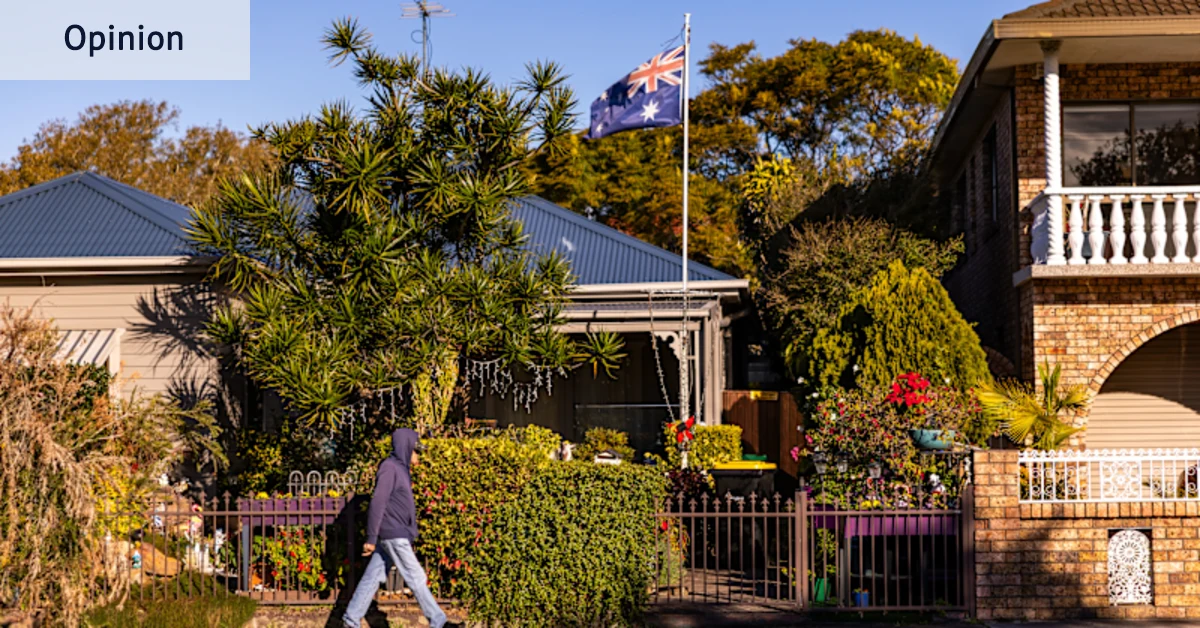
The main street has the character of a country town. Victorian workers’ cottages sit alongside apartment blocks, townhouse developments and modern semi-detached homes, while the surrounding streets combine gyms and breweries with sheds, showrooms and reminders of Botany’s industrial past.
Botany’s links with the South Sydney Rabbitohs are visible in the form of white rabbit paintings outside some homes. They commemorate 2014, when the club defeated the Bulldogs in the NRL grand final.
Botany’s green spaces and wildlife
Sir Joseph Banks Park provides 27 hectares of open space between the suburb and the airport and container port. Its facilities include cycle paths, a dog park and play equipment, while statues of elephants, tigers, gorillas and bears recall the zoo that once stood there.
The reserve became especially important during the Covid lockdowns, when residents were restricted to travelling within two kilometres of their homes. The area had previously hosted the Botany Bay Gift, once described as the country’s richest running race.
The airport beaches carry no-swimming warnings, but nearby Yarra Bay offers a calmer setting. Early visitors can find clear water and marine life, including fish, shells, turtles, dolphins, seahorses and fairy penguins. A southern right whale and her calf have also recently visited the bay.
That natural environment exists alongside an international port and airport. Residents value the contrast, as well as the continuing care of the area by its traditional owners, whose connections with the land and water remain strong.
Community life is particularly visible at Halloween, when decorated homes draw families and spectators from across Sydney. Streets fill with children in costume, elaborate displays and stalls serving hot sausage sandwiches, while music plays nearby.
For families, the suburb’s appeal is its convenience. Sally Foley, a communications adviser and yoga teacher, describes Botany as a “three-minute suburb”, where coffee shops, parks and green space are close enough to reach with a short pushchair walk.
The local identity is also reflected at Rabbitohs home games, where supporters in The Burrow sing a version of John Denver’s Take Me Home, Country Roads adapted to celebrate Botany Road.
Foley writes that her family considered leaving Sydney for more affordable property elsewhere, but ultimately stayed. The neighbourhood’s friendships, children’s activities and everyday routines, she suggests, created a sense of belonging strong enough to keep them rooted in Botany.
