


Donald Trump has announced US$90 payments for more than 20 million older Americans to help cover Medicare premiums, adding to a series of financial promises made ahead of the US midterm elections.
The White House said the money would come from the Medicare Improvement Fund, created by Congress in 2008 to provide flexible funding for programme operations and payments to healthcare providers.
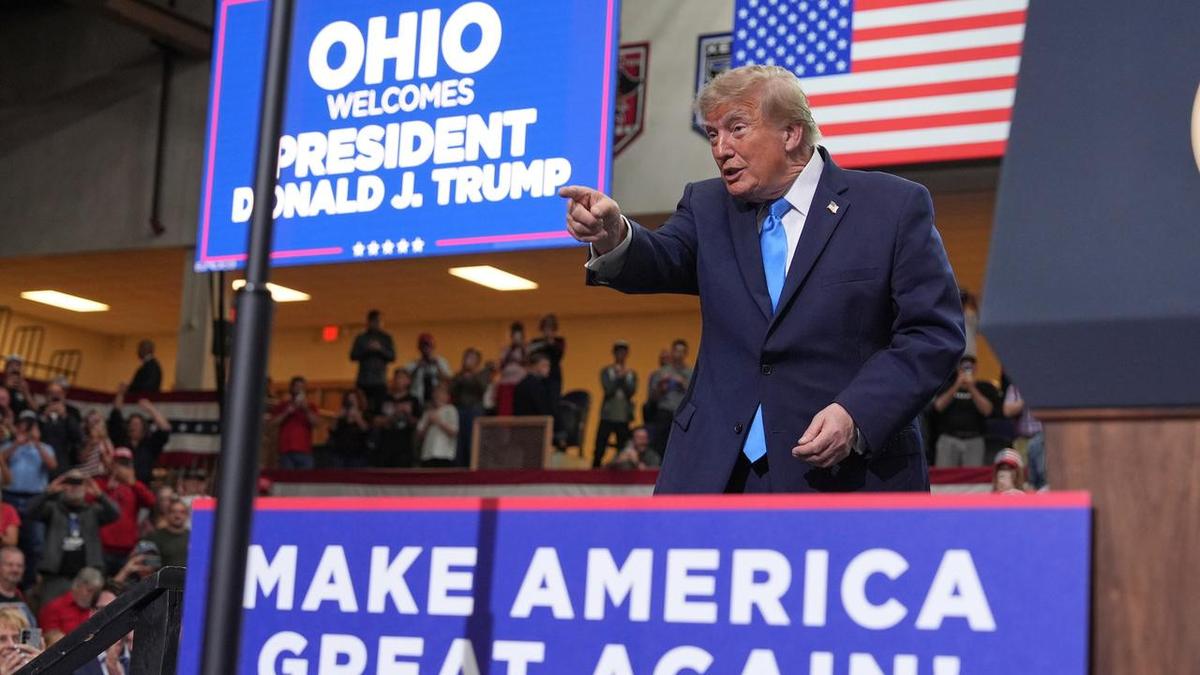
The announcement follows Mr Trump’s pledge last month that about one million people would receive US$500 rebate cheques towards Affordable Care Act premiums. At a rally in Vandalia, Ohio, on Saturday night, he said 70,000 families in the state would receive those rebates “within the next couple of days”.
Mr Trump has also promised to send every American adult US$5,000 if Republicans retain control of the House of Representatives and Senate in the midterm elections. The proposal would require congressional approval and would likely cost more than US$1 trillion, adding to the deficit and worsening inflation.
He repeated that pledge in Vandalia, where he described the payments as part of his efforts to persuade voters that the economy is stronger than they believe.
The president also referred to US$1,776 payments announced for military members in December, while acknowledging that the timing could have been better.
“Maybe I should have waited a year,” he said. “To be honest, I said that. Should I wait for before the election?”
Trump faces pressure over household costs
Polls show that Americans are increasingly blaming Mr Trump for the cost of petrol and groceries. Just 17 per cent approve of his handling of inflation, although he has sought to dismiss concerns about affordability by saying the economy is booming.
He did not address grocery prices, petrol costs or job losses during Saturday night’s rally. The event formed part of what he has described as a 32-day marathon of rallies aimed at convincing the public that economic conditions are better than they appear.
His message was delivered three days after nearly 1,400 people were laid off from what had been the Navistar truck factory in south-western Ohio. The job losses were large enough to erase an entire year of employment growth in the greater Dayton area.
