


Gubernatorial candidates across the United States are increasingly backing state-based AI regulation, as concern grows over the technology’s impact and frustration mounts with Washington’s failure to establish national safeguards.
With less than six weeks until election day, candidates from both parties are moving beyond debates about data centres, energy prices and jobs to address wider questions involving fraud, privacy, children’s safety and the future of work.
More than 18 Republican and Democratic candidates were approached about their plans, with eight responding. Nearly all said states should take the lead, although few offered detailed proposals for how regulation would work.
The shift follows efforts by governors including California’s Gavin Newsom, Florida’s Ron DeSantis and New York’s Kathy Hochul to make artificial intelligence a political priority.
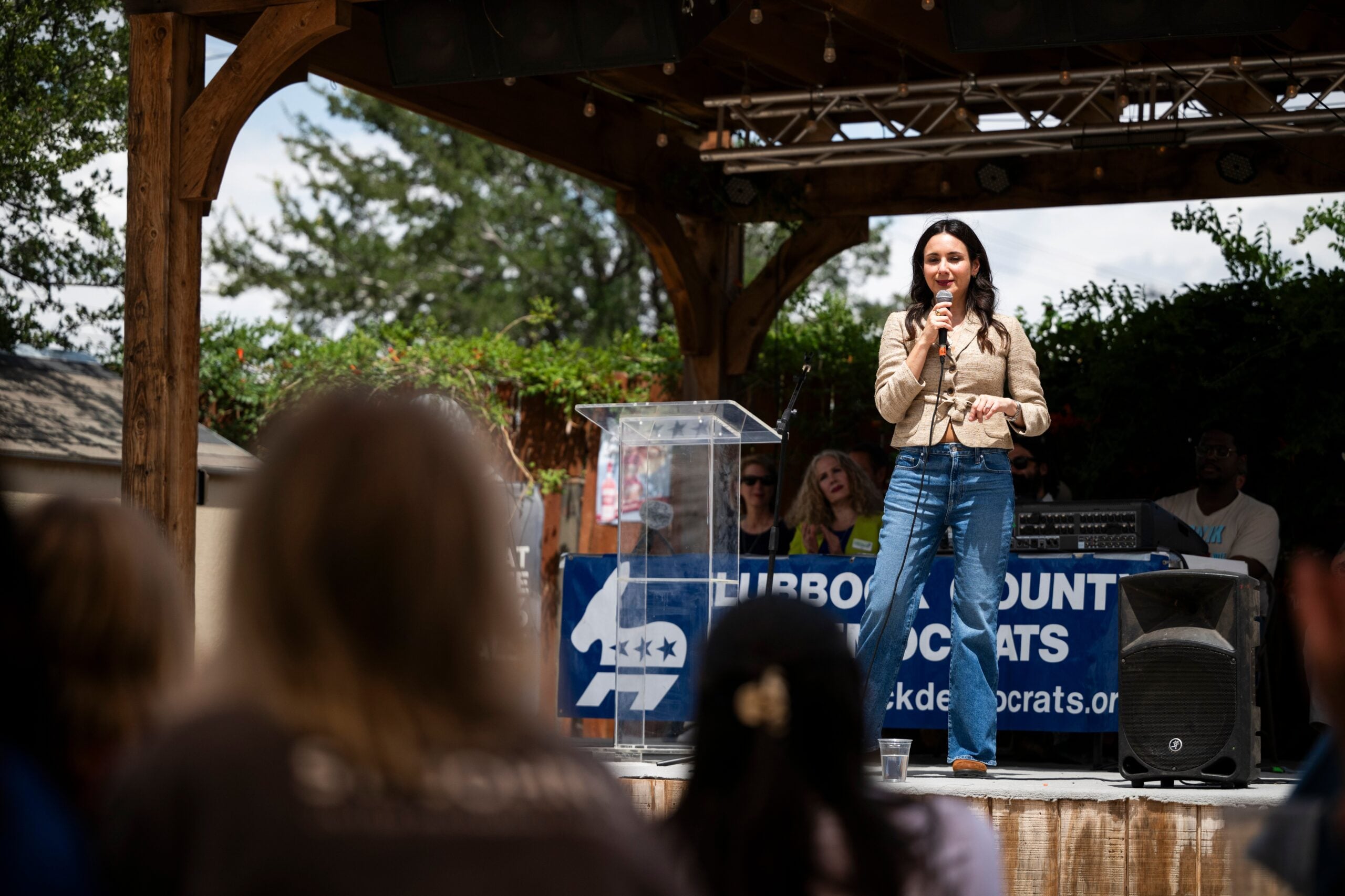
Gina Hinojosa, the Democratic nominee for governor of Texas, said: “The federal government has failed to lead on this issue, and we cannot trust the billionaires profiting off of AI to self-regulate.”
She added: “State government has the most direct impact on our day-to-day lives, and at a time when Texans are more uncertain and concerned about AI than ever, it’s critical that we put the needs of Texans before corporate profits.”
Her Republican opponent, Governor Greg Abbott, did not respond to questions about his position.
In California, former health and human services secretary Xavier Becerra, the Democratic frontrunner to succeed Mr Newsom, is consulting technology leaders and economists. His spokesman Jonathan Underland said Mr Becerra would seek “firm guardrails” to protect workers, children, privacy rights and public safety.
“California is the birthplace of modern AI, and California will lead the way in making it safe,” Mr Underland said.
Steve Hilton, Mr Becerra’s Republican opponent, said there was a place for limited regulation, although he described some warnings about artificial intelligence as “preposterous”.
“California should lead on this because we are leading on the technology, and therefore we should lead on the regulation,” Mr Hilton said. He added that Congress and politicians in other states should “back off and stop talking about something they don’t understand”.
Republicans also call for state action
Support for state action has not been confined to Democrats. Republicans, including allies of Donald Trump, have indicated that states should be able to establish safeguards in the absence of federal agreement.
Dan Capodilupo, a spokesman for Iowa Republican nominee Zach Lahn, said: “States should have a say in how AI is regulated. Zach is committed to protecting states rights.”
In Georgia, Rick Jackson’s campaign stopped short of calling for new local regulation, but said the Republican nominee supported testing new AI models for risks and establishing safety standards. Mr Jackson would also work with the state legislature to protect consumers from AI-driven scams, his spokesman Garrison Douglas said.
Democratic candidates in Oregon and Wisconsin have also called for action. Federico Araujo, a spokesman for Oregon Governor Tina Kotek, said states should act urgently to manage artificial intelligence’s effects on economies, energy prices and natural resources while Congress remained inactive.
David Crowley, the Democratic nominee for governor of Wisconsin, said AI safety was “an issue Wisconsin can address”, but gave no further details. His campaign, like much of the contest with Republican nominee Tom Tiffany, has focused heavily on the growth of data centres in the state.
The candidates’ statements come as warnings from leading figures in the technology industry about artificial intelligence’s potential risks have gained prominence. A new poll found that most voters viewed AI as an existential threat to humanity, while a plurality supported pausing the development of advanced models.
Alyssa Cass, a Democratic strategist who has worked with New York state lawmaker Alex Bores, said voters had only recently begun considering questions beyond whether data centres should be built.
“There is a lot of education that’s needed here, and people are navigating an issue that they weren’t even really thinking about six months ago beyond the ‘Should we have data centres?’” she said.
The National Governors Association is preparing a policy roadmap on artificial intelligence and its effect on the workforce. It plans to publish the guidance in November, after 39 gubernatorial elections and ahead of the swearing-in of at least 21 new governors in January.
Sophia Yager, the association’s policy director for workforce development and economic policy, said the document was intended to help both current governors and those entering office.
Mr Trump has dismissed concerns about an existential threat from AI as a “HOAX” and opposed efforts to regulate the technology. His administration has pushed for federal pre-emption of state rules, including urging Utah lawmakers to abandon an AI transparency bill and challenging legislation in Colorado and California.
However, legislation passed in 13 states has already moved against that approach. A review identified 18 state laws supported by both Republican and Democratic leaders that conflict with the White House’s proposed framework.
Some governors are pressing for national action while continuing to support safeguards at state level. Utah Governor Spencer Cox has called for a consistent federal framework, while Pennsylvania Governor Josh Shapiro said Washington should regulate AI as it does other industries with a major effect on people’s lives.
Mr Shapiro, who is seeking re-election in Pennsylvania, warned that a delay could mean the country faced “a whole new generation of generative AI” and more examples of AI agents operating beyond control by the time Congress returned after the election.
