


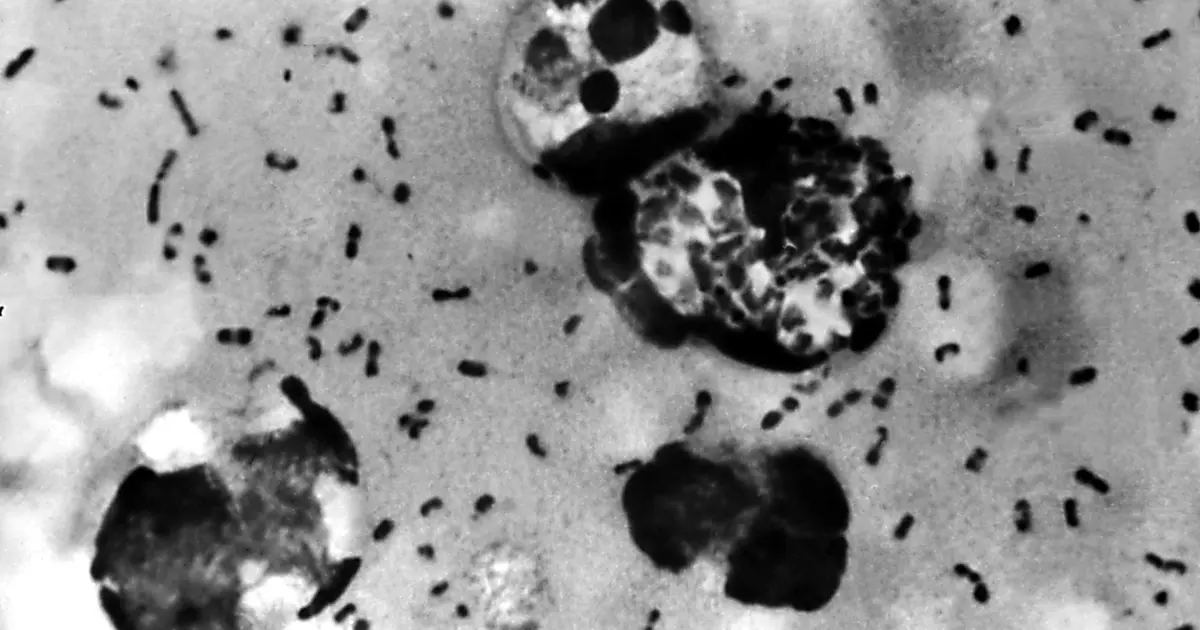
The United States is monitoring a suspected fatal pneumonic plague case in Russia’s Irkutsk Oblast, as officials urge Moscow to release accurate information about the unconfirmed incident.
A State Department spokesperson said on October 4 that American authorities were working with the Centers for Disease Control and Prevention and other federal agencies to assess reports of a death in the Siberian region.
The case centres on a 28-year-old laboratory worker, identified in Russian media reports as Darya Shipilova, who was employed at the Irkutsk Anti-Plague Institute. She was reportedly admitted to hospital with severe pneumonia on September 29 and died between October 1 and October 2.
Reports from independent Siberian media alleged that Shipilova had accidentally broken a test tube containing the bacterium associated with pneumonic plague on September 25. Russian authorities have not confirmed that account or established that plague caused her death.
Rospotrebnadzor, Russia’s consumer and public health watchdog, said the woman had been diagnosed with “pneumonia of unknown etiology”. The agency said further testing had not detected microorganisms linked to her work and that no accident involving dangerous pathogens had been recorded at the institute.
Nearly 200 people who may have come into contact with the woman have reportedly been placed under medical observation or isolation, while restrictions have been introduced at several medical facilities in the region. Russian authorities have described the epidemiological situation in Irkutsk and nearby Shelekhov as stable, with no publicly confirmed evidence of wider transmission.
The White House is also monitoring the reports and related quarantine measures, according to a Trump administration official. Former CIA officer Dan Hoffman said US intelligence agencies would probably be gathering information from multiple sources, while the American embassy in Moscow would be expected to engage with Russian officials if US citizens were considered at risk.
Pneumonic plague treatment
Pneumonic plague affects the lungs and can spread between people through respiratory droplets during close contact. The CDC says the infection can be cured with antibiotics, but treatment must begin quickly; medication may be given orally or intravenously depending on the seriousness of the illness.
The State Department has urged Russian authorities to share information “quickly and openly” and said the safety and security of US citizens remained its highest priority. It has not announced additional travel restrictions linked to the suspected case.
