


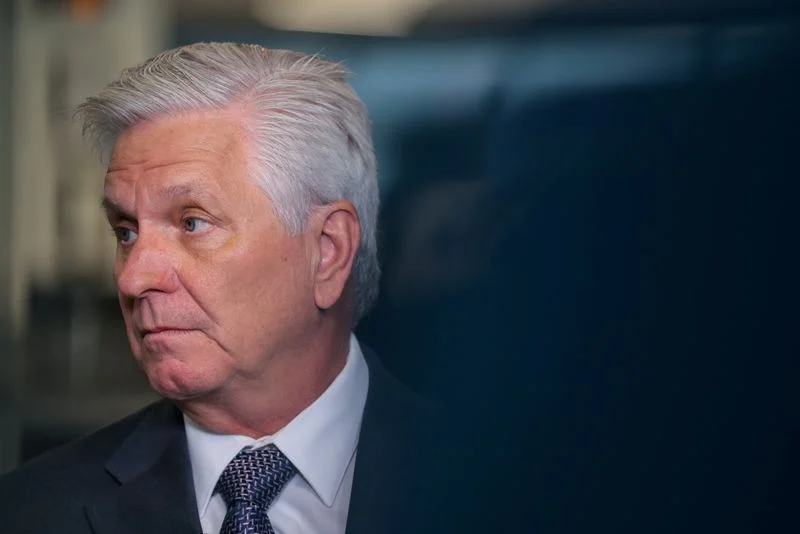
Federal Reserve governor Christopher Waller has cooled expectations of a US interest rate rise later this month, saying he would be inclined to leave borrowing costs unchanged if incoming inflation data show further progress towards the central bank’s 2% target.
His comments pushed back against a growing market view that the Federal Reserve was preparing to deliver its first rate increase in three years at its meeting on September 15 and 16.
Speaking at a Reuters-hosted event on Thursday, September 3, Waller said the decision would depend heavily on the August inflation figures, which are due to be published on September 11.
“I’m willing to sit and wait and be patient” to see whether inflation continues to decline, he said. “But if it reverses, then you know it’s time to pull the trigger and hike rates.”
Federal Reserve rate decision hangs on inflation data
Waller said recent readings had encouraged him, with the Federal Reserve’s preferred inflation gauge showing prices falling by 0.1% between May and June before rising by 0.2% from June to July.
He warned, however, that a stronger-than-expected inflation report could still persuade him to support a rate rise. Monetary policy was only “slightly restricting” demand from consumers and businesses, he said, meaning relatively modest renewed price pressure could justify tighter policy.
The remarks caused traders to reduce their expectations of a September increase. The chance of a hike, which had risen to almost 65% by Wednesday, fell to roughly 50-50 after Waller spoke, according to interest-rate futures pricing.
Stocks rallied and bond yields declined as investors interpreted the comments as evidence that the Federal Reserve’s next move was not settled. The shift also eased pressure on longer-term borrowing costs, which had risen following comments from Fed chairman Kevin Warsh at last week’s economic symposium in Jackson Hole.
Warsh said inflation had not made enough progress and suggested the central bank might have more work to do, helping to drive expectations of a rate increase. Waller’s intervention has instead left the September decision finely balanced.
New York Fed president John Williams also said on Wednesday that recent inflation figures had been encouraging, while stressing that policymakers needed more evidence before deciding whether current interest rates were sufficient.
The debate comes as the Trump administration continues to argue for lower borrowing costs. Vice-president JD Vance reiterated on Thursday that the Federal Reserve should cut rates, rather than raise them or keep them unchanged.
