


The International Whaling Commission meeting has opened in Hobart with delegates from about 63 member nations considering new threats to whale populations, four decades after a moratorium on commercial whaling was agreed.
The commission was established in 1946 after decades of unregulated industrial whaling had severely reduced whale numbers. Populations have recovered in many areas, particularly since the 1986 commercial whaling moratorium, but conservationists say the species remains under pressure.
Environment Minister Murray Watt told delegates that whales continued to face “many other, compounding threats such as bycatch, entanglement, ship strikes, ocean noise, climate change and habitat destruction”.
Whale sanctuary proposal returns to the agenda
A proposal for a whale sanctuary in the South Atlantic is among the central issues at the week-long meeting. First put forward by Brazil in 1998, the plan would extend an existing protected area in the Southern Ocean and cover waters from West Africa to South America.
Pro-whaling nations have opposed the sanctuary, with some leaving previous meetings in an effort to prevent votes from taking place. The commission is due to consider changes to its voting rules, intended to limit the ability of those countries to block certain decisions.
Norway, one of the nations opposed to the sanctuary, used the opening session to criticise the commission’s direction. Its head delegate, Petter Meier, said: “Since the adoption of the moratorium in 1982, the work of the IWC has been an example of how an international organisation shall not run its business.”
Mr Meier claimed the commission had prioritised conservation over sustainable use and argued that marine mammals should be regarded as an essential food commodity.
Norway remains one of three countries that engage in commercial whaling, alongside Japan and Iceland. Iceland is considering a moratorium.
Australia hunted whales until 1978, when its last whaling station on the Western Australian coast closed after almost 200 years of hunting.
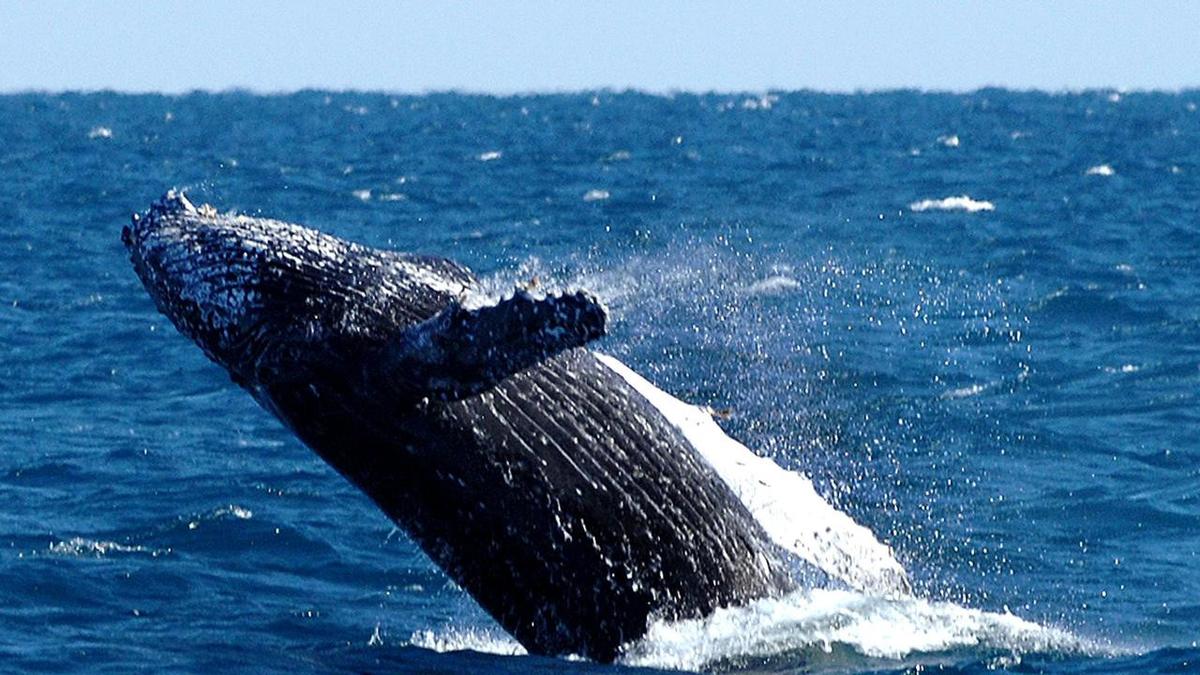
As the meeting began, about 50,000 humpback whales were undertaking their annual migration from breeding grounds around the Great Barrier Reef to feeding grounds in Antarctica. The eastern Australian population was estimated to number as few as 150 in the 1960s.
Dr Nick Gales, chair of the commission, described the recovery as “an extraordinary thing to celebrate”.
Antarctic krill fishing will also be discussed during the meeting. Protesters from groups including the Bob Brown Foundation gathered outside the venue on Monday calling on the Australian Government to ban the practice.
The International Whaling Commission meeting is scheduled to continue until Friday.
