


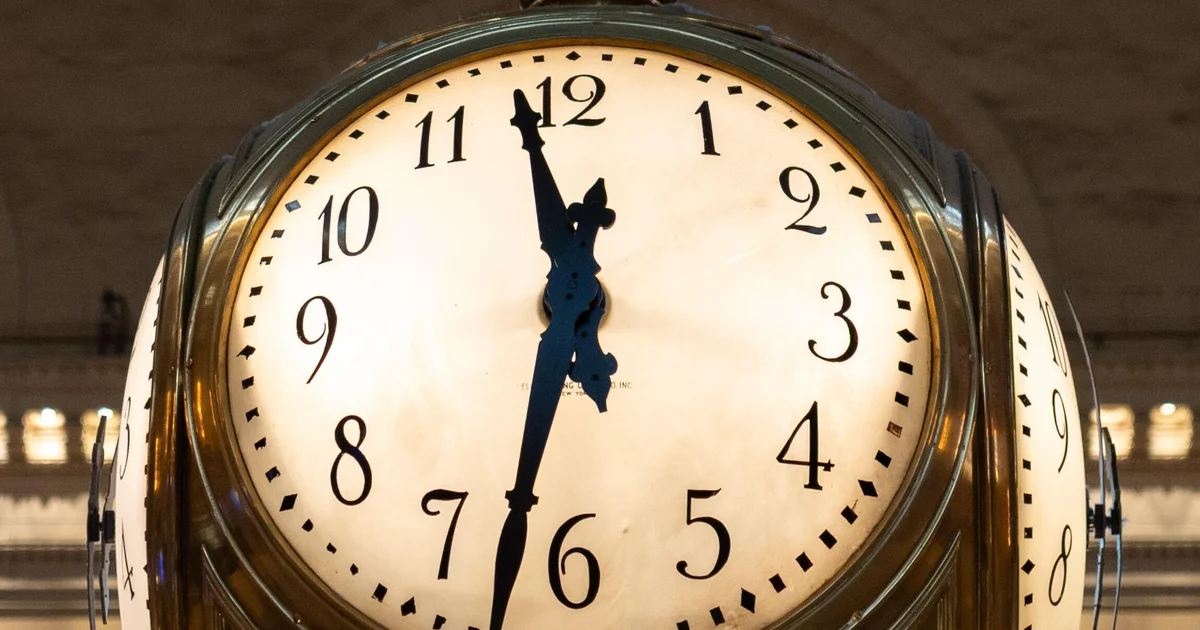
Daylight saving time ends in 2026 overnight on Sunday 1 November, giving most Americans an extra hour as clocks return to standard time.
The change will take place at 2am local time, when clocks will be turned back by one hour. The switch comes after Halloween, meaning late-night revellers will have an additional hour before the morning begins.
For parents of young children, however, the adjustment may disrupt sleep routines until children adapt to the new schedule.
Why daylight saving time ends in November
Daylight saving time keeps the majority of the US one hour ahead of standard time from March until early November. The arrangement shifts an hour of daylight from the morning into the evening during the longer days of spring and summer.
When the clocks return to standard time in autumn and winter, daylight arrives earlier in the morning but darkness falls sooner in the evening.
In Boston, for example, sunrise will move from 7.16am on the Saturday before the change to 6.17am on Sunday. Sunset will shift from 5.39pm to 4.37pm.
The US first adopted daylight saving time in 1918 during the First World War, following similar changes in Europe and with the aim of conserving fuel. Congress later repealed the system but allowed individual states to continue observing it.
Uniform national dates for the clock changes were not established until 1966. Attempts to introduce year-round daylight saving time during the Second World War and the energy crisis of the 1970s were both abandoned.
Could daylight saving time become permanent?
The Sunshine Protection Act, which would make daylight saving time permanent, passed the House in July and was sent to the Senate. The proposed legislation would also allow states to opt out of daylight saving time altogether before it took effect.
President Trump supports the bill and accused Arkansas senator Tom Cotton, also a Republican, of delaying it. Mr Trump shared what he said was Mr Cotton’s mobile phone number on social media and urged people to contact the senator in support of the measure.
Mr Cotton responded that Congress had previously tried permanent daylight saving time before returning to the twice-yearly changes after Americans experienced “absurdly late sunrises in the winter”.
The bill must be approved before the current session ends in early January, when a new class of lawmakers elected in the midterm elections takes office. If it expires, supporters would have to begin the legislative process again in both chambers before it could reach the president.
When will daylight saving time return?
Daylight saving time is due to resume on Sunday 14 March 2027 at 2am local time. The start date falls on the second Sunday of March, while the 2026 change began on 8 March.
The current start and end dates were introduced in 2007, when the period of daylight saving time was extended. It had previously begun on the first Sunday in April.
Hawaii and most of Arizona do not observe daylight saving time. The Navajo Nation, which extends into Arizona, does observe the change to remain aligned with communities in neighbouring New Mexico and Utah.
American Samoa, Guam, the Northern Mariana Islands, Puerto Rico and the US Virgin Islands also remain on standard time throughout the year.
Phones set to update automatically should change to the correct time overnight, although users can check their device settings if the adjustment does not happen.
