


A sweeping meta-analysis of 23 studies has found that people diagnosed with ADHD have 48% higher odds of experiencing gastrointestinal symptoms than those without the condition. The study also reports markedly elevated odds for specific issues, including irritable bowel syndrome, constipation, and encopresis, the repeated involuntary passing of stool. The paper was published in the Journal of Attention Disorders and is led by Sarah Blake of the University of Warwick.
ADHD linked with a broad range of gastrointestinal symptoms
Neurodivergence refers to differences in brain functioning and behaviour from what is considered typical. It encompasses conditions such as dyslexia, autism spectrum disorder (ASD), obsessive-compulsive disorder (OCD), and attention-deficit/hyperactivity disorder (ADHD). ADHD is estimated to affect about 5% of children and 3% to 4% of adults.
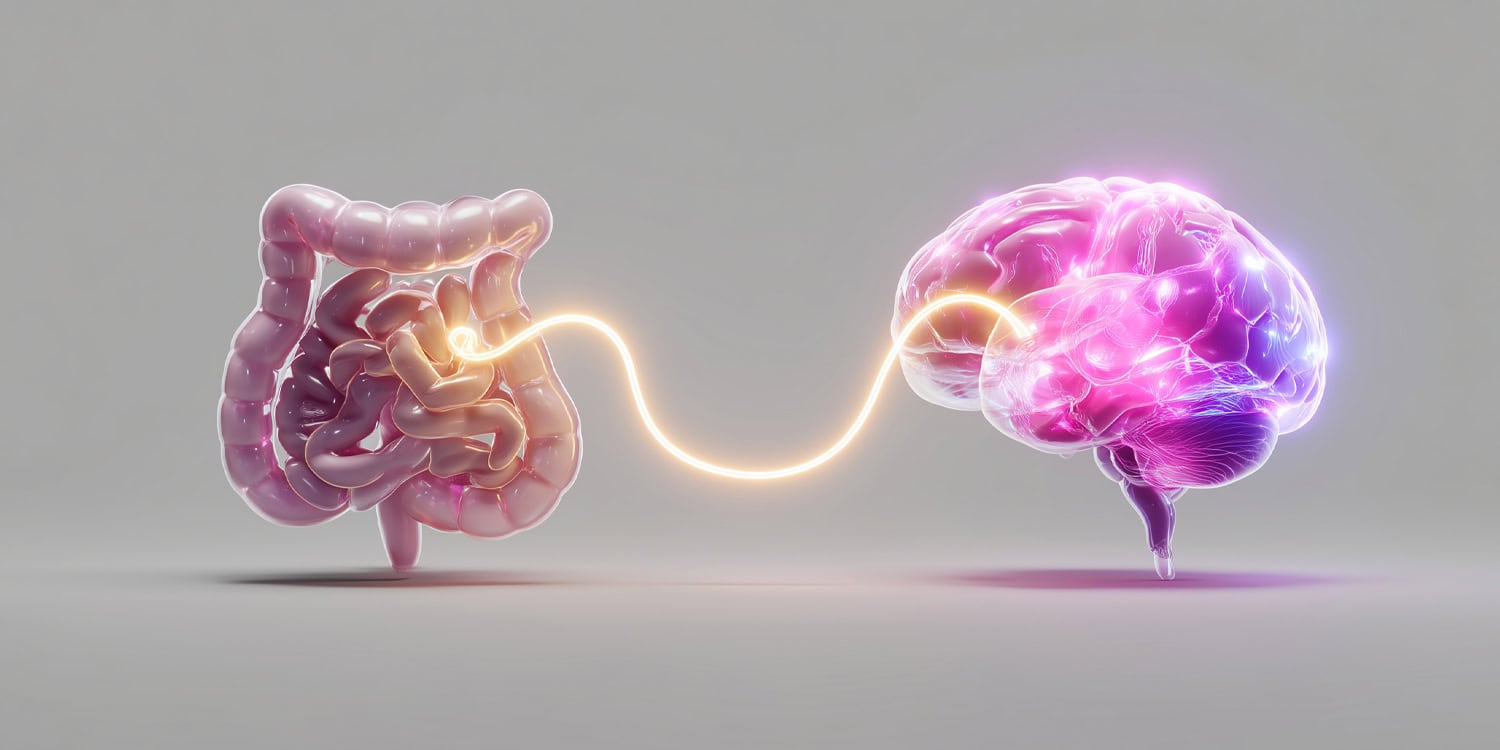
While genetic and environmental factors are both implicated, the precise causes remain unclear. Increasing research has focused on the gut–brain axis, the communication system between the gastrointestinal tract and the brain. Studies have suggested that people with ASD, OCD and ADHD may harbour somewhat different gut microbial communities compared with those without these conditions.
Researchers have proposed that imbalances in gut microorganisms could activate the gut’s immune system and provoke low-grade inflammation, contributing to gastrointestinal problems. Consistent with this possibility, individuals with ASD are more prone to constipation, diarrhoea and abdominal pain, while those with OCD report high rates of bowel disorders.
The study team conducted a systematic review and meta-analysis, surveying the Medline, Embase and APA PsycInfo databases for studies on ADHD and gastrointestinal symptoms published through May 2026. They included only studies in which ADHD had been formally diagnosed and excluded studies of people with organic gastrointestinal diseases or those diagnosed with both ADHD and autism.
From an initial 9,613 results, screening yielded 23 studies meeting the criteria. Ten were conducted in the United States, with others in Sweden, Israel, Spain, Greece, Germany, China, South Korea, Turkey, India and Iran. Most studies were cross-sectional, and sample sizes ranged from 50 to 742,939 participants, totalling more than 1.9 million people.
The symptoms examined included constipation, flatulence, dyspepsia (upper abdominal discomfort), encopresis, diarrhoea, abdominal pain, unspecified stomach or bowel problems and irritable bowel syndrome. The researchers pooled results for each symptom, including only studies that compared people with ADHD to those without and reported usable numbers; two poorer-quality studies were excluded from the pooled analyses.
Overall, ADHD was linked to increased odds for every gastrointestinal symptom studied. Across the board, individuals with ADHD had 48% higher odds of experiencing gastrointestinal symptoms than those without ADHD, with particularly strong links to several conditions. They were 58% more likely to have IBS, 52% more likely to have dyspepsia, 82% more likely to report unspecified stomach or bowel problems, 88% more likely to experience abdominal pain, and 97% more likely to have constipation. The odds of diarrhoea were more than doubled.
The strongest association was seen with encopresis, where people with ADHD had about 4.3 times the odds of the condition. Data on flatulence were too limited to pool, but both studies that reported it found it more common among individuals with ADHD.
The authors noted that the findings for IBS and dyspepsia were consistent across studies, but results for other symptoms—such as constipation, diarrhoea and abdominal pain—varied considerably between studies. In two studies focusing on abdominal pain, the increased risk appeared driven largely by boys, with no elevated risk observed in girls in those studies.
The researchers propose several possible explanations. Behaviours common in ADHD, such as impulsive eating, irregular meals and selective eating due to sensory sensitivities, can affect digestion. Delays in recognising the urge to use the bathroom, sleep problems, differences in gut microbes and shared genetic factors may also contribute.
“ADHD is associated with a substantial increase in functional GI symptoms, distinct from organic gastrointestinal disease. Possible mechanisms include gut microbiome dysbiosis, vagal dysregulation and behavioural contributors,” the study authors concluded.
The study adds to the growing understanding of the links between ADHD and gastrointestinal symptoms. However, the included studies were observational, so they cannot establish causation. Most studies did not separate participants by ADHD medication status, and stimulant medications used to treat ADHD can cause gastrointestinal side effects such as abdominal pain and nausea.
The authors note, though, that the links with constipation and encopresis—less typically associated with stimulant use—suggest that medication does not fully explain the findings. Additionally, the review only included English-language papers, and the researchers could not assess whether studies with positive findings were more likely to be published.
The paper, “The Association Between Attention-Deficit Hyperactivity Disorder and Gastrointestinal Symptoms: A Systematic Review and Meta-Analysis,” was authored by Sarah Blake, Hugo Cannon, and Saran Shantikumar.
