


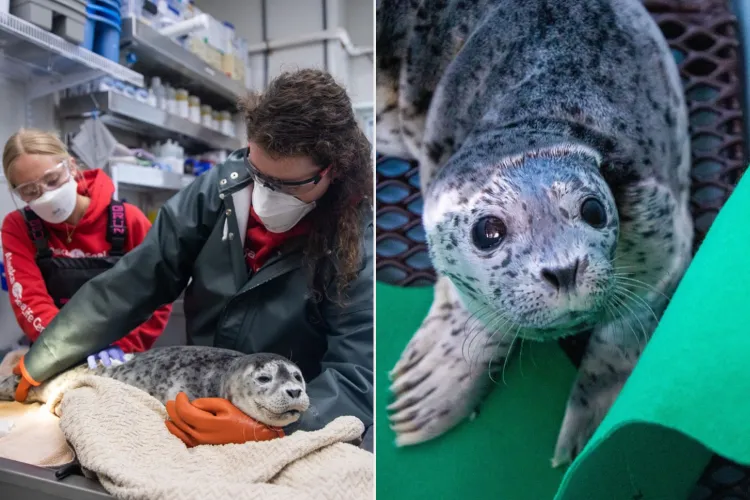
Two harbor seal pups are now recovering at the Alaska SeaLife Center after a volunteer pilot flew nearly 1,200 miles combined to bring them to safety from one of the state’s most isolated stretches of coastline.
The Alaska SeaLife Center, based in Seward, announced on 30 June that both pups had been admitted to its Wildlife Response Program, the state’s only authorised facility for rehabilitating wild animals in distress. Both were found near Cordova, a port city with no road connection to the rest of Alaska, meaning residents typically rely on aircraft or ferries to get in and out. When word reached the centre of two seals in trouble there, local Seward pilot Duke Marolf volunteered his own plane to make the roughly 300-mile journey each way.
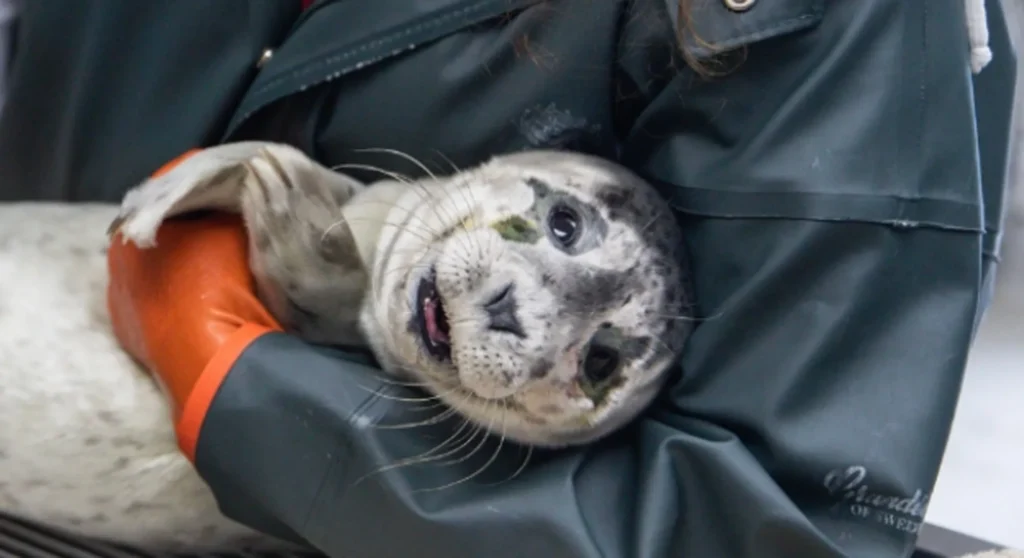
The first pup was discovered in the waters outside Cordova with injuries suggesting she may have become entangled in a gillnet. She still had a fresh umbilical cord attached, leading staff to believe she was likely less than 24 hours old. After the rescue was cleared by NOAA Fisheries, which oversees the protection of marine mammals, Marolf worked with the centre’s partners in Cordova to fly the pup back to Seward. A preliminary examination there revealed a large laceration and several patches of damaged fur.
Not long after the first pup arrived, a second was reported on a beach in Boswell Bay, on the remote Hinchinbrook Island around 15 miles west of Cordova. The centre said she had been found unusually far from the water, with no adult seals in sight. Observers monitored the beach overnight to see whether a mother might return, but as concerns grew over the pup’s apparent dehydration — and an eagle was seen repeatedly following her along the shore — NOAA approved a second rescue flight. This time, Marolf was joined by his wife, Pamela Eiting, for the trip to the even more remote island. “What an experience to be able to fly out to an island to pick up an abandoned seal pup,” Eiting said. “I was able to join Duke for the trip to pick up the second seal, keeping him company and helping keep an eye on the pup during the flight home.” Reflecting on the wider effort behind such rescues, she added: “What stood out most to me about the whole experience was how much of a team effort these rescues really are. From the people who first notice and report the animals, to the Troopers, local residents, pilots, and the Alaska SeaLife Center staff, everyone plays a part in giving these wild animals a chance.”
An initial exam of the second pup found significant dehydration, malnourishment and an ulcer in one eye. Between the two round trips, Marolf flew roughly 1,200 miles in total to bring both pups to safety. The Alaska SeaLife Center, which operates as a research institution, rehabilitation facility and public aquarium, said its veterinary team was continuing to stabilise both seals and assess the extent of their conditions.
The rescues come during the state’s peak harbor seal pupping season, and the centre has urged the public to give any seal pups they encounter plenty of space. Officials said people should not approach, touch or attempt to move a seal pup, and should keep children and pets away from known haul-out sites, noting that disturbing a marine mammal can harm the animal, endanger people and breach the federal Marine Mammal Protection Act. Anyone who spots a stranded, injured or seemingly abandoned marine mammal in Alaska is asked to call the centre’s 24-hour Stranded Marine Animal Hotline on 1-888-774-7325 rather than intervene directly.
