


The US Army has postponed plans to detonate 68 barrels of unstable lead azide at an ammunition plant in Iowa, moving the controlled blasts from Friday, November 20, to Monday, November 23.
Acting Secretary of the Army Adam Telle announced the delay after Iowa Governor Kim Reynolds asked for more time. Environmental groups have also filed a lawsuit seeking to stop the operation.
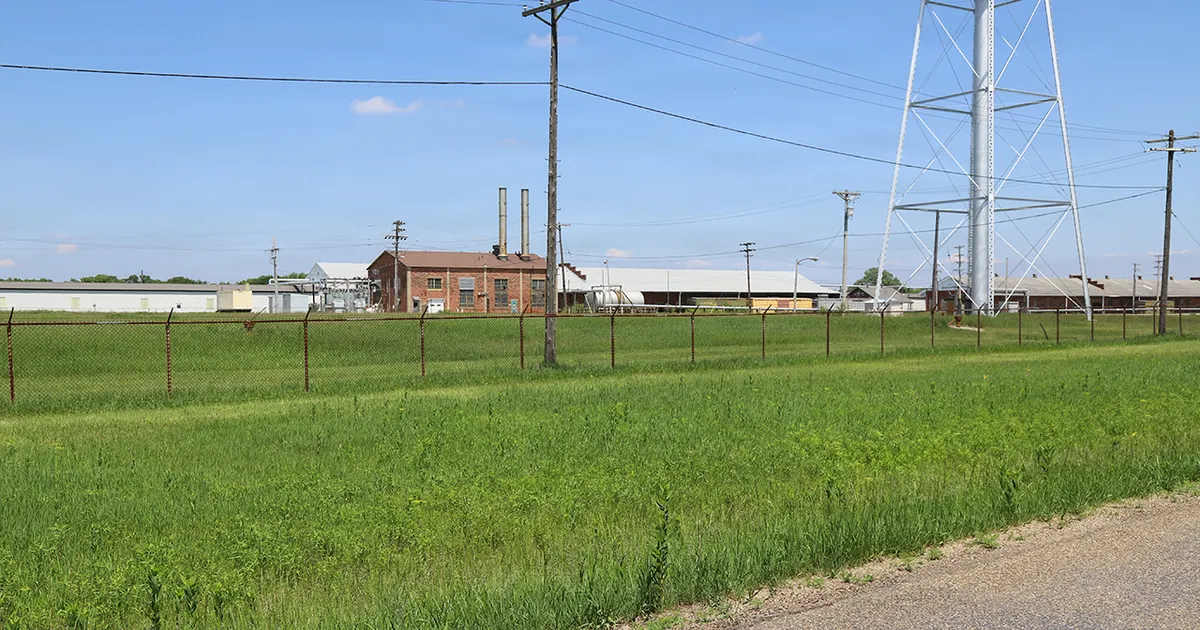
The material was found during routine inspections at the Iowa Army Ammunition Plant in Middletown, a town of about 320 people west of Burlington and the Mississippi River.
Officials said the degraded lead azide had become too unstable to handle normally. The Army said the detonation would take place “until the latest possible moment prior to a forecasted temperature drop, which would risk further destabilization of the material”.
Why the Iowa lead azide blast is being planned
Lead azide is a sensitive compound used to ignite military ammunition. Once it is no longer being used, the US Environmental Protection Agency classifies it as hazardous waste.
As it ages, the chemical can become increasingly vulnerable to friction, heat and shock. Matthew McConnell, an assistant professor of chemistry at Western Illinois University, said even a small amount could detonate under those conditions, making transport particularly dangerous.
The Army obtained an emergency permit from the EPA on November 13 to destroy the material at the plant rather than risk loading it on to a lorry and moving it elsewhere.
Officials have warned that the blast could break windows and send a plume containing lead particles several miles into the air. Earlier Army tracking maps suggested dust could cross the Mississippi River into western Illinois, while newer projections showed the plume remaining mainly over Iowa and drifting north-east through the south-eastern part of the state.
The outer edge of the projected plume was still expected to pass about 10 miles west of New Boston in Illinois.
Health concerns over lead dust
Any dust cloud would be expected to contain debris from the explosion, including soil, plastic containers and building materials, mixed with solid lead and lead ions, Mr McConnell said.
Briefly breathing in lead particles may not cause immediate symptoms, but lead can accumulate in the body over time. Dr Bernard “Ben” Weigel, medical director for the Illinois Poison Center, said people with raised blood lead levels often have no noticeable symptoms.
He said children under six and pregnant women faced the greatest risks because lead can affect brain development, adding that there was “no known safe level of lead exposure”.
Illinois health officials have advised nearby residents to remain indoors with windows closed for up to 48 hours, wash outdoor surfaces with soap and water, and wash their hands before eating or drinking.
The Army has also asked residents in Middletown’s City Park neighbourhood to evacuate temporarily, with shelter offered at the Armed Forces Reserve Center. Officials say two-storey sand barriers, wet soil and water sprays will be used to contain dust and debris, and that the operation will have no significant impact on the surrounding environment.
