


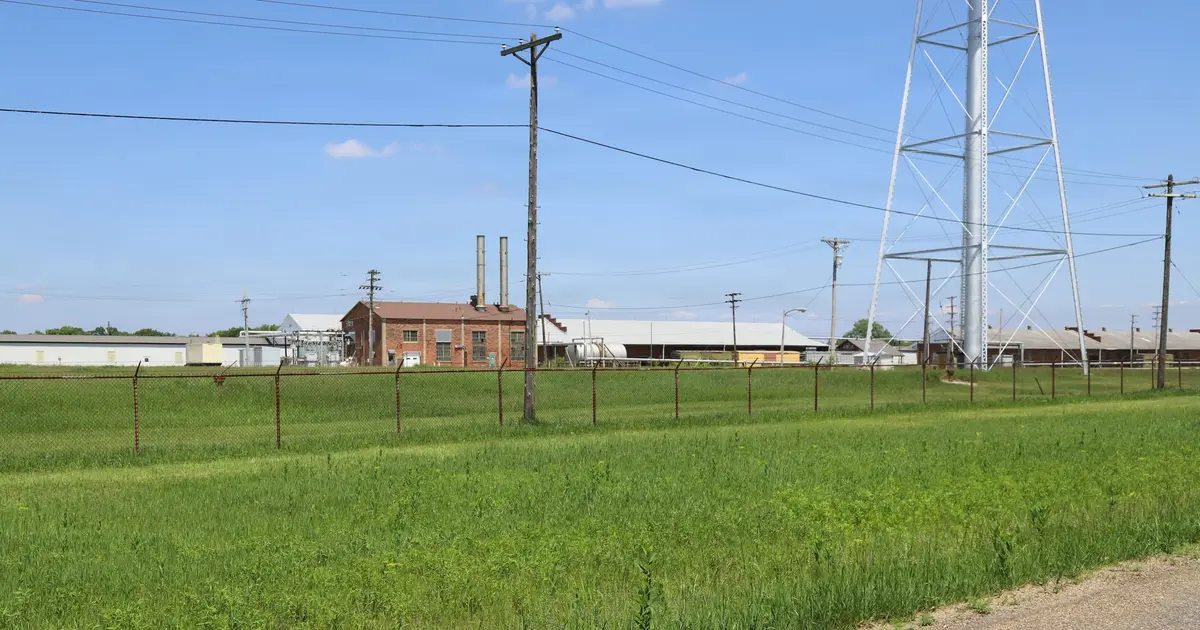
The US Army plans to detonate lead azide at the Iowa Army Ammunition Plant despite a court order suspending its environmental permit, saying emergency powers are needed to deal with chemicals it considers increasingly unstable.
The controlled explosion, involving 68 barrels containing several tons of degraded lead azide, was originally scheduled for Friday. It was then postponed until Monday after objections from residents, environmental groups and Iowa governor Kim Reynolds.
Late on Sunday, the Army said the operation would be delayed again until at least Wednesday to allow for more favourable weather conditions.
Government lawyers told the 8th US Circuit Court of Appeals that the Army intended to invoke an emergency exception covering munitions and explosives under federal environmental protection laws.
The US Court of Appeals had frozen the Army’s environmental permit on Thursday, a decision that should have halted the detonation. Army officials argue, however, that the chemicals pose an immediate threat and that the permit is not required in those circumstances.
They said falling temperatures could increase the risk of an uncontrolled explosion, with forecasts suggesting temperatures in the area could drop below 30 degrees in the coming days.
“To protect its personnel and the surrounding communities, the Army needs to take swift action,” the government said in a filing. “Protection of human health and the environment demand action now, not delay.”
The Army has maintained that a controlled detonation is the safest available option after discussions with the Environmental Protection Agency. Officials said handling or transporting the barrels could raise the risk of an accidental and potentially fatal explosion.
Concerns over lead contamination
Environmental groups have challenged that assessment, arguing that safer alternatives were not properly considered and that nearby communities were not given adequate notice.
“The Army seemed more concerned over the weekend with finding a way to sidestep the judicial process than on meeting the public’s demands for greater transparency, notice to affected communities, and far stronger protection of people, property, and the environment from serious harm,” said Thien Chau, an Earthjustice attorney.
The Iowa Environmental Council, the Sierra Club and Earthjustice questioned whether all alternatives had been fully examined.
The barrels were discovered by staff in March and were reportedly in poor condition, prompting concerns about the stability of their contents. The Army later concluded that destroying them in a controlled blast posed the lowest immediate risk to people in the surrounding area.
Residents were warned that the detonation could create an airborne plume containing lead particles, which could settle on the ground and property. Officials advised people to stay indoors, close windows and doors, bring pets and livestock inside, and clean vehicles and outdoor surfaces afterwards.
Maps released by the plant outlined areas where toxic lead dust could be dispersed. Some schools cancelled classes and some businesses closed ahead of the original planned explosion.
The Army held a public meeting with Middleton residents last month, but neighbouring communities, including those as far as 100 miles away, were only informed of the potential effects through a public advisory issued a week ago.
The precise timing of the detonation has not been announced.
