


Australia has reached a turning point in the transition to electric cars, with battery-powered vehicles outselling petrol models for the first time in August, according to new sales figures.
Some 27,078 battery-electric vehicles were sold during the month, representing 24.9 per cent of all new-car purchases. Petrol-powered vehicles accounted for 25,824 sales, while diesel models recorded 23,608.
The figures mark a sharp acceleration in a market that had long been regarded as a laggard on electric vehicle adoption. Battery-electric sales rose by about 171 per cent compared with August 2025, while total new-vehicle sales increased 4.9 per cent to 108,760.
When plug-in hybrids are included, vehicles that can be charged from the mains accounted for more than a third of the market. Battery-electric, plug-in hybrid and conventional hybrid models together made up more than half of all new-car sales.
Electric vehicle sales reach a new milestone
Paul Ellis, a spokesman for Chinese manufacturer BYD, said the result showed that consumer attitudes had shifted decisively.
“The pendulum has swung – the shift is now absolute,” Mr Ellis said. “It’s going to continue to increase.”
Australia’s electric-car market has benefited from a wider choice of models, falling prices and growing concerns over the cost of petrol and diesel. The arrival of lower-cost Chinese vehicles has also brought some electric models closer to price parity with conventional cars.
Chris Bowen, the federal climate change and energy minister, described the result as a landmark moment. He said Australians were choosing vehicles that were cheaper to run, cleaner and less exposed to international fuel-price shocks.
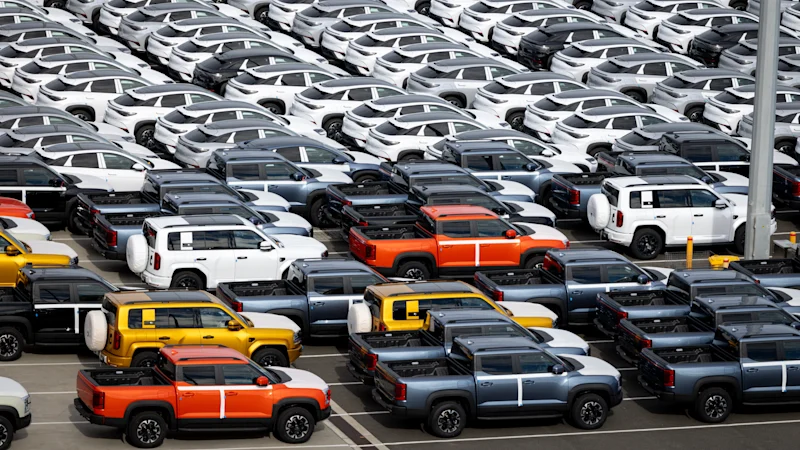
Toyota remained the country’s best-selling brand in August, with 19,712 vehicles sold, although that was down 5 per cent on the same month a year earlier. BYD ranked second with 8,231 sales, up 68 per cent, followed by Tesla on 7,685, an increase of 160 per cent.
The Tesla Model Y was the best-selling individual vehicle, with 6,414 deliveries. Chinese manufacturers also recorded a strong month overall, with vehicles built in China accounting for 43,882 sales, up almost 89 per cent year on year.
Charging network struggles to keep pace
The rapid rise in electric-car ownership is creating fresh pressure on Australia’s charging network. More than 80,000 electric vehicles have taken to the country’s roads in the past three months, according to Riz Akhtar, founder of consultancy Carloop.
Mr Akhtar said drivers were switching to electric cars partly to avoid high fuel prices, but warned that fast-charging infrastructure was not expanding quickly enough to match demand. New South Wales had 515 fast-charging sites last month, compared with 396 in Victoria, according to Carloop data.
BYD’s Mr Ellis said buyers were increasingly concerned not about completing their normal daily journeys, but about finding an available charger on longer regional trips.
“We’ve gone from ‘range anxiety’ to ‘charging anxiety’,” he said, citing concerns over whether chargers would be available, occupied or accompanied by queues.
A survey of more than 42,000 members of the National Roads and Motorists’ Association found that petrol and diesel drivers were now more worried about fuel costs than electric-car owners were about access to charging points.
Peter Khoury, an NRMA spokesman, said the figures suggested that the long-standing obstacles to electric-car adoption were steadily weakening and that 2026 would be remembered as a tipping point.
