


US military prosecutors will not appeal a ruling that excluded a key confession by Khalid Shaikh Mohammed, the alleged mastermind of the September 11 attacks, in a decision intended to keep his long-delayed trial on course for June 2028.
The prosecution notified victims’ families of the decision on Friday, September 4, one week before the 25th anniversary of the attacks, which killed almost 3,000 people in New York, at the Pentagon and in Pennsylvania.
The statements were made to FBI agents during four days of questioning at Guantánamo Bay in January 2007. Prosecutors had argued that the interviews were voluntary and separate from the treatment Mohammed endured in secret CIA prisons between 2003 and 2006.
During his CIA detention, Mohammed was subjected to 183 waterboarding sessions, according to evidence presented in the case. A military judge, Lieutenant Colonel Michael Schrama, ruled last month that his later statements were involuntary and could not be used at trial.
Colonel Schrama found that Mohammed had not been allowed to consult a lawyer and had not been clearly told that his answers could be used to prosecute him. The ruling also concluded that the FBI questioning did not amount to a genuine break from the coercive treatment he had previously experienced.
Danielle Reddan, the prosecution team’s liaison to victims in the Guantánamo cases, said in a letter to families that an appeal could put the “hard-earned” June 5, 2028, trial date at risk. She also warned that it could lead to Mohammed being tried separately from the other defendants.
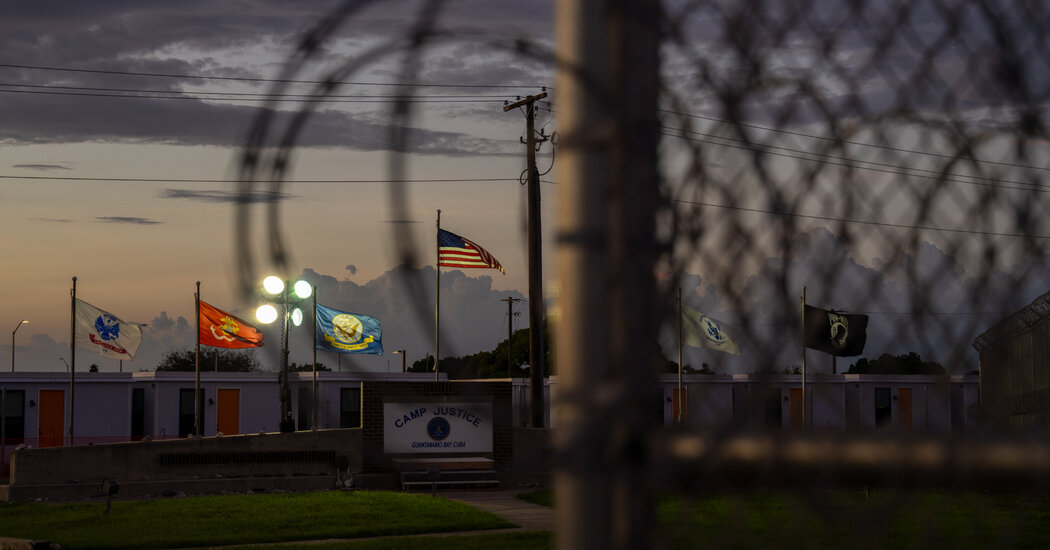
The trial is due to take place at the US naval base in Cuba, alongside proceedings against Walid bin Attash, Mustafa al-Hawsawi and Ammar al-Baluchi. The court’s official calendar lists further motions hearings for the case from September 28 to October 2, 2026.
Prosecutors had regarded the so-called clean-team confessions as their strongest evidence in the death-penalty case. They had planned to call former FBI agent Frank Pellegrino to describe his discussions with Mohammed about the September 11 plot.
The government can still rely on other proposed evidence, including transcripts of secretly recorded conversations between detainees, financial records and potentially an interview Mohammed and alleged co-conspirator Ramzi bin al-Shibh gave to an Al Jazeera journalist before their capture in Pakistan in 2002.
Bin al-Shibh was removed from the joint case in 2023 after being found mentally incompetent to stand trial. The statements of two other defendants, bin Attash and al-Hawsawi, are also awaiting rulings on whether they were made voluntarily and can be admitted as evidence.
Prosecutors are separately appealing the suppression of a confession by Mohammed’s nephew, Ammar al-Baluchi. Legal experts said the government could also ask Colonel Schrama to reconsider his ruling, but would need to identify a serious legal error or rely on a change in the law.
