


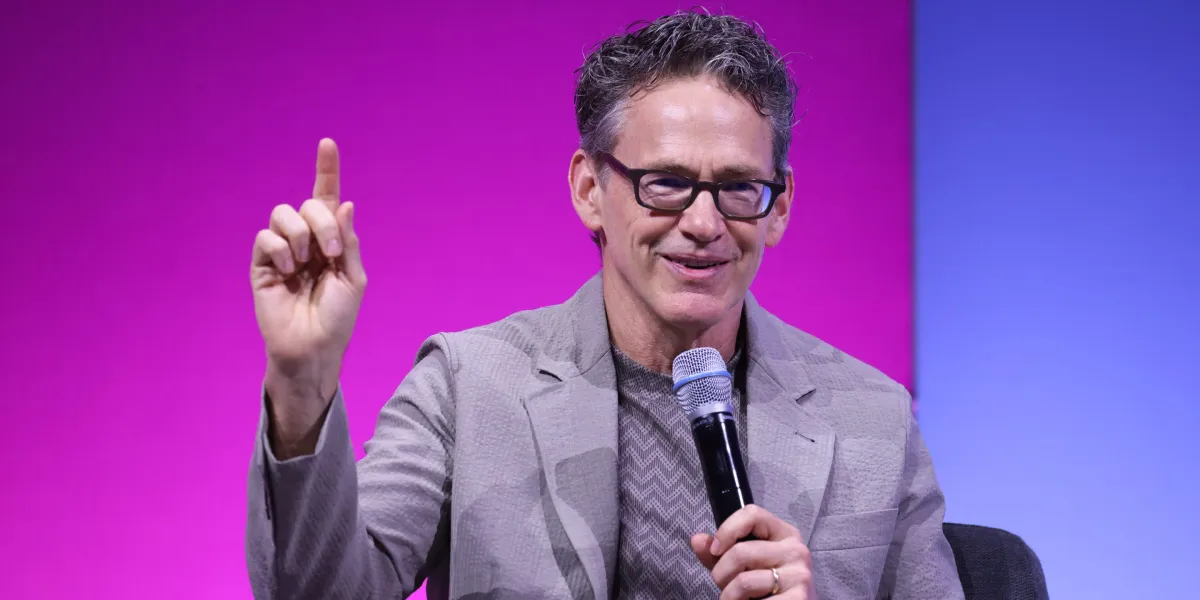
Bayer chief executive Bill Anderson is facing the next test of his sweeping overhaul of the German healthcare group: turning a leaner, flatter organisation back towards sustained growth.
Anderson has cut the number of managers from about 16,000 to 4,500 across a workforce of 88,000, while replacing traditional hierarchy and annual budgets with 5,000 small teams operating on 90-day cycles.
“Our ambition, for the last three years, basically, was to survive,” Anderson said. “How much are we willing to stretch ourselves now and put out a bold ambition for what this company can be and fight for that?”
The company announced plans last week to invest 2.2 billion dollars in a new manufacturing site in Ohio, a move that signals a shift from restructuring towards expansion.
Bayer’s shares have risen 57% over the past year, compared with gains of about 21% for BASF and 14% for Novartis. However, the stock remains broadly flat over three years, while BASF and Novartis have recorded gains of 43% and 47% respectively.
Anderson has improved profitability and secured a Supreme Court ruling addressing liability claims that predate his arrival. The central question now is whether he can maintain momentum in revenue and profit growth.
Bayer’s leadership overhaul
The chief executive has acknowledged that giving employees greater authority does not automatically make them more willing to take difficult decisions. He said Bayer had a “nice culture” that was “a little softer” when it came to “courageous authenticity and decisiveness”.
Anderson said the answer had to begin with the company’s senior leaders. “The job of the leaders is not to manage people, and it’s not to decide the goals, and then, you know, cascade them,” he said. “No, forget that. The job of the leaders is to set the vision. That’s very different than telling everyone what to do.”
He said 95% of decision-making was being placed “at the bottom”, rather than simply delegated through the management hierarchy. Anderson ranks Bayer’s priorities in order as its mission, employees, shareholders and, last, senior management.
He has also stressed that the restructuring is not a completed exercise. “This is not a culture program or a communication program,” Anderson said. “Ninety-nine percent of all corporate transformations are not transformations. They’re just shuffling the boxes around.”
