


Democrats have gained a clear advantage in the race for control of Congress, with new polling suggesting the party is favoured to win a narrow majority in the House of Representatives and has moved closer to taking the Senate.
The midterm elections are due in four weeks, and the shift comes as President Donald Trump’s approval rating remains low. The Cook Political Report forecasts that Democrats could gain between five and 15 House seats, leaving them with between 220 and 230 seats in January. A majority requires 218.
The Senate has moved more sharply in the Democrats’ direction. Six seats have shifted towards the party since June, according to Cook’s ratings, turning what had been regarded as a long-shot attempt to win the chamber into a contest within reach.
Polling is only one factor in the outcome. History, the national political climate, the structure of the electoral map and campaign spending will also shape the result, while the projections depend on voters turning out on election day.
Democrats’ prospects in the House remain less certain. The party remains unpopular, and 25 of the 31 districts it is targeting are in areas won by Mr Trump in the 2024 presidential election, making it difficult to overturn the balance.
The issues shaping the midterm elections
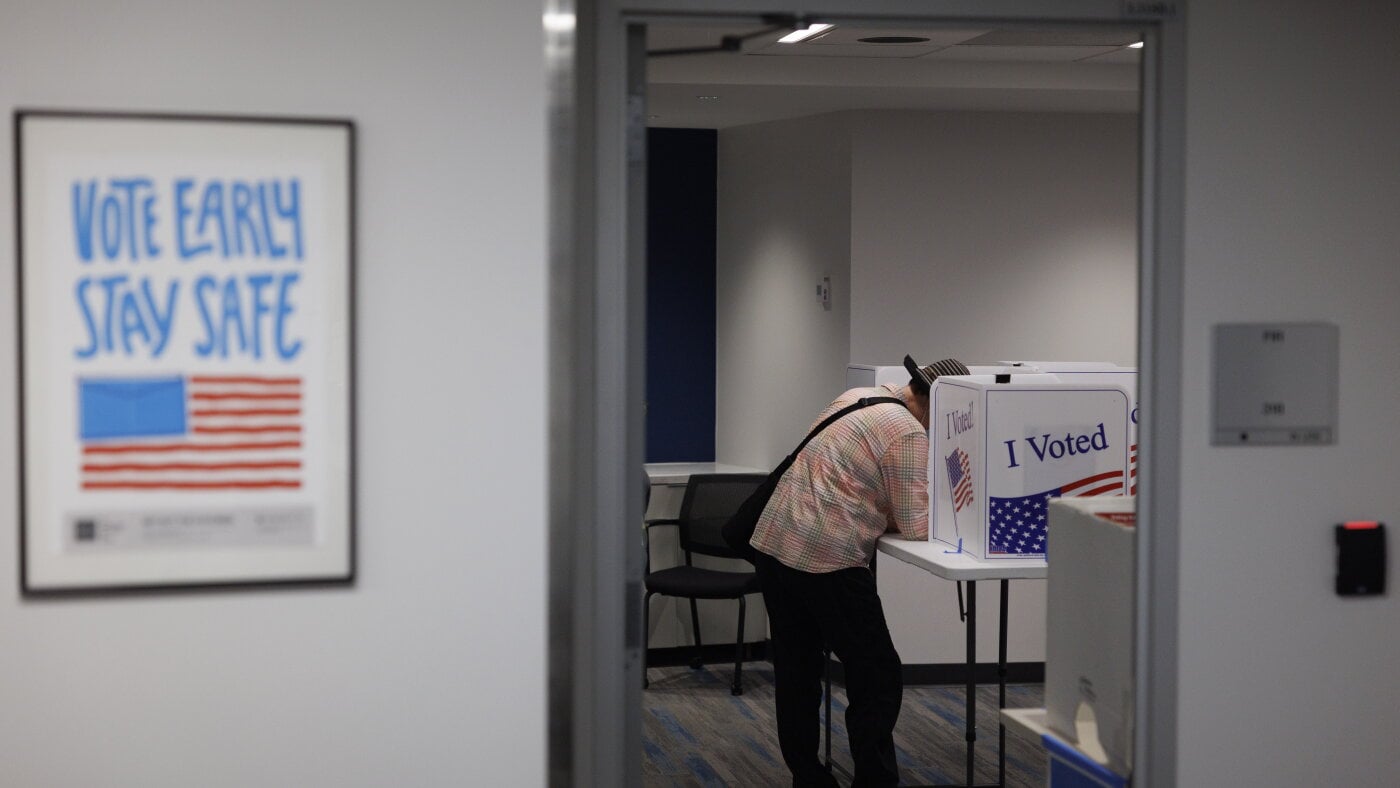
Voters are expected to weigh the cost of living and their economic prospects heavily as the campaign enters its final month. Immigration, the rapid expansion of large data centres and the voting process itself are also featuring in the debate.
New voting restrictions have raised questions about how ballots will be cast, secured and counted. The contests are also being viewed as a referendum on the Trump administration’s policies, despite the president not appearing on the ballot.
Campaign coverage will focus on competitive races in Maine, Texas, North Carolina, Georgia, Ohio and Michigan. In Maine, Democratic candidate Troy Jackson is challenging Republican senator Susan Collins, who has won the state five times.
Texas Republicans have redrawn five congressional districts to favour the party, including three with larger Latino electorates. The contest will test whether the strategy can help Republicans retain control of the Senate.
