


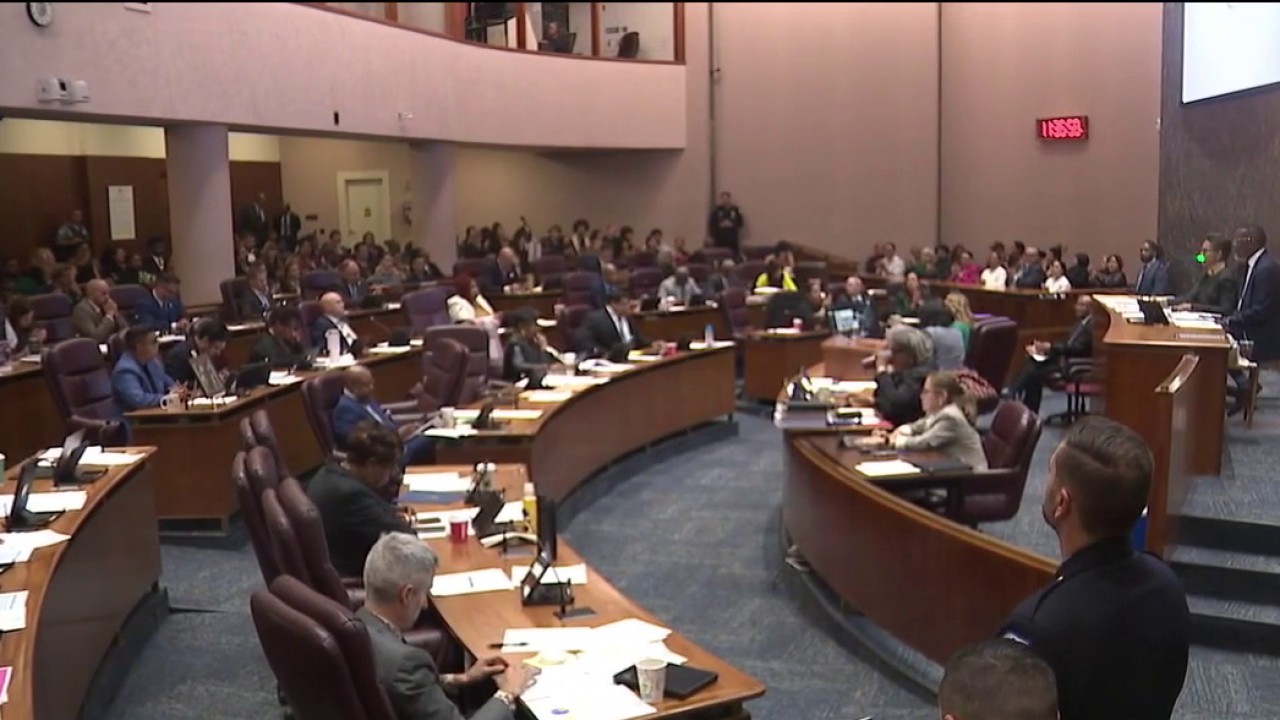
Chicago City Council members blocked or delayed several competing ordinances on Wednesday, September 23, leaving major proposals on renters’ rights and other city policies unresolved.
The most closely watched dispute involved two rival plans to overhaul Chicago’s rental rules. One was backed by Mayor Brandon Johnson, while the other was supported by opponents in the council and landlord groups. Rather than choosing between them, alderpersons used a parliamentary manoeuvre to postpone the votes and allow negotiations on a possible compromise. ([chicago.suntimes.com](https://chicago.suntimes.com/city-hall/2026/09/23/city-council-debt-threshold-raised-foundry-park-data-centers-moratorium?utm_source=openai))
Johnson’s Protecting Renters Ordinance would establish a citywide rental registry, create a tenant bill of rights and restrict certain charges imposed on renters. The alternative FAIR proposal would also introduce a registry and limit some fees, but would permit certain move-in charges. ([abc7chicago.com](https://abc7chicago.com/post/chicago-city-council-could-take-parking-meter-deal-rental-ordinances-wednesday/19860531/?cmp=emc-wls-news-headlines-9%2F23%2F2026&utm_source=openai))
The rival measures had already cleared separate council committees, setting up what had been expected to be a decisive vote before Wednesday’s proceedings were halted. The delay leaves the city’s existing Residential Landlord and Tenant Ordinance in place while discussions continue.
Other contentious items were also caught up in the day’s clash of competing proposals, including measures relating to heat-safety requirements and Chicago’s controversial parking-meter agreement. A proposed transfer of the parking-meter concession to New York-based investment firm Stonepeak Partners was not settled by the full council, with further consideration expected through the Finance Committee. ([abc7chicago.com](https://abc7chicago.com/post/chicago-city-council-could-take-parking-meter-deal-rental-ordinances-wednesday/19860531/?cmp=emc-wls-news-headlines-9%2F23%2F2026&utm_source=openai))
The outcome marked a setback for supporters who had hoped to secure votes on the competing measures, while giving alderpersons more time to seek common ground on rules that would affect renters, landlords and businesses across Chicago.
