


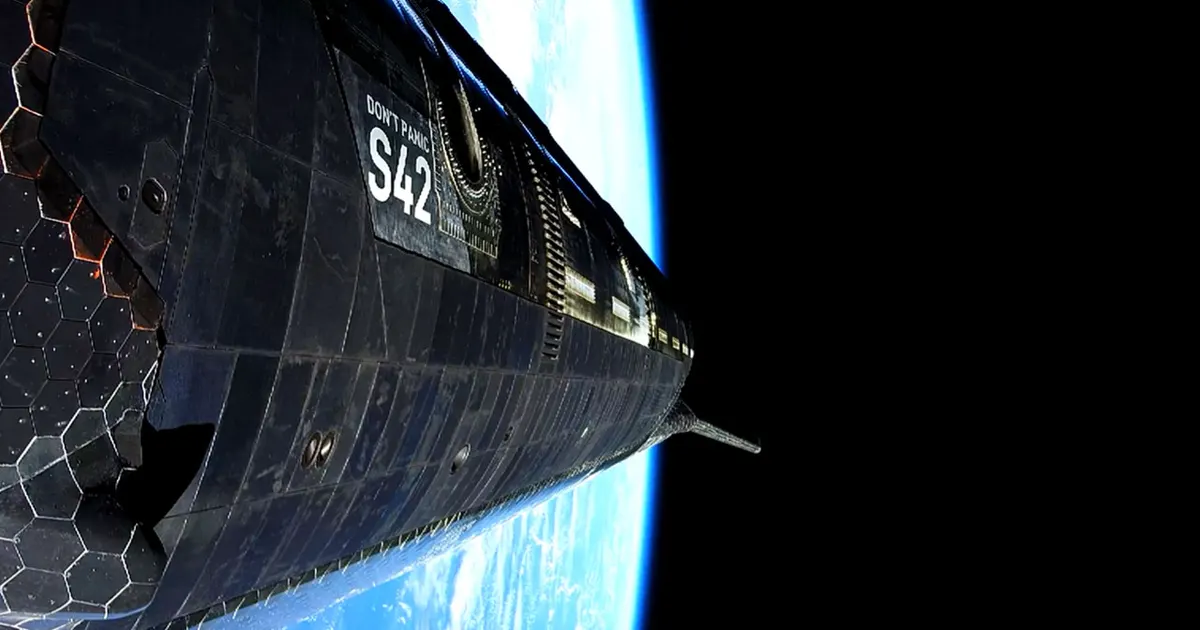
SpaceX’s Starship Flight 15 blasted off from Starbase in south Texas on Friday evening, November 13, but an attempted recovery of its Super Heavy booster ended in a fiery splashdown in the Gulf of Mexico.
The spacecraft itself reached orbit and continued the planned mission, with SpaceX expecting it to return to the launch site on Saturday after a flight lasting more than 22 hours.
Lift-off took place at about 4.47pm local time, shortly after the launch window opened. The mission was intended to mark the first attempt to bring both parts of the giant rocket back to the launch pad for capture by the tower’s mechanical arms.
Instead, the booster was diverted towards an offshore landing zone after its recovery attempt was aborted. It subsequently fell into the Gulf and exploded.
SpaceX said recovery teams had located the spent booster and were monitoring beaches along the Texas coast for any debris that might wash ashore.
Starship continues orbital test
The upper stage continued into orbit and deployed 26 Starlink V3 satellites, adding capacity to SpaceX’s satellite communications network.
The flight plan calls for Starship to circle the Earth about 14 times at an altitude of roughly 275 kilometres before steering back towards Starbase. If it cannot return to the launch site, SpaceX has several alternative opportunities to de-orbit the spacecraft over the ocean.
The launch came less than two months after Flight 14, which became the first Starship mission to reach orbit and deploy Starlink satellites. That flight ended about three hours after launch when the spacecraft splashed down in the Pacific Ocean.
Full recovery of both stages is central to SpaceX’s plan to make Starship a rapidly reusable launch system. The company says the technology will eventually support missions to the Moon and Mars.
NASA is also relying on a modified Starship as one of the human landing systems being developed for its Artemis programme. Artemis III, planned for 2027, is intended to test rendezvous and docking operations in low Earth orbit between Orion and one or both commercial lunar landers, ahead of a future return of astronauts to the Moon.
