


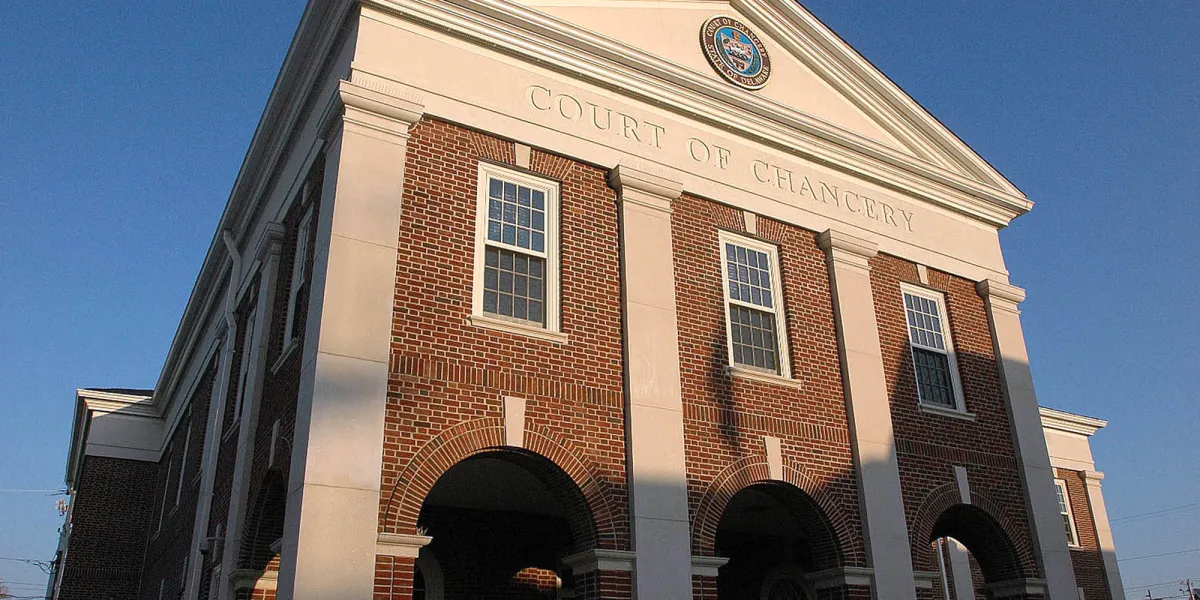
Delaware Vice Chancellor J Travis Laster has moved to certify an interlocutory appeal against his ruling in a dispute involving Cloudflare, allowing the case to be considered by the state’s Supreme Court.
The decision came the day after criticism of the Chancery Court judgment, which blocked a Cloudflare board decision concerning the company’s capital structure. The appeal centres on how Delaware law defines “good faith” when an independent board committee considers a potentially conflicted transaction.
Laster’s 142-page opinion accepted that Cloudflare’s directors were independent and not negligent, and said their process showed “all the outward signs of diligent and careful effort”. He nevertheless concluded that the statutory protection introduced by Delaware’s Senate Bill 21 did not apply.
Delaware appeal turns on meaning of ‘good faith’
Senate Bill 21, passed in March 2025, was intended to make Delaware more attractive to companies amid concern that businesses were considering reincorporating elsewhere. Its provisions provide protection where a transaction involving a possible conflict is handled by an independent committee with genuine authority to reject it.
The commentary argues that Laster adopted an unusually broad interpretation of the committee’s obligation to act in good faith. It says the legislation was designed to increase predictability and give independent boards greater deference, rather than expose them to heightened scrutiny.
The ruling considered the committee’s use of Signal to discuss sensitive strategic information and the temperament of Cloudflare’s chief executive. It also criticised the failure to obtain a fairness opinion, while acknowledging that Delaware courts have said there is no duty to obtain one.
The authors contend that those factors do not amount to evidence of knowing or wilful misconduct. They point to earlier Delaware Supreme Court decisions which described bad faith as “intentional dereliction of duty, a conscious disregard for one’s responsibilities”, while stating that gross negligence alone was insufficient.
They also argue that good faith has traditionally been treated as part of the duty of loyalty, rather than as a separate and higher standard of review. On that analysis, a process that could have been improved would raise questions of care, not bad faith.
Laster said he “could have concluded” that the statutory safe harbour applied without what he called the defendants’ “credibility problems”. The criticism of the ruling is that this could leave directors uncertain about what process will protect their decisions.
Questions over the record before the Delaware Supreme Court
The appeal will also examine the trial court’s account of the evidence. The commentary disputes Laster’s description of academic research presented to the committee on dual-class share structures and says financial advisers did not provide data contradicting those conclusions.
It further argues that the vice chancellor assessed the credibility of parties he had not met, relying on a one-hour hearing based solely on written material. The Delaware Supreme Court will therefore review the record without the benefit of first-hand observations from the trial judge.
The authors warn that certification of the appeal alone does not resolve concerns about predictability in Delaware’s corporate courts. They say the Supreme Court has overturned Laster in more than 30 decisions, but has repeatedly sent cases back to his court.
They cite the long-running Boardwalk Pipeline litigation and a 2019 Aruba ruling as examples of the consequences of remands. In the Aruba case, the Supreme Court criticised an approach which, it said, “could be seen” as “a results-oriented move” and was “not grounded in the record”.
The commentary argues that returning cases to the same courtroom after reversal can leave companies facing prolonged and costly litigation, even where an appellate court has rejected the original reasoning.
Cloudflare’s special committee retained the authors to present research on when dual-class share structures help or harm companies. They said they were not asked to assess the terms of Cloudflare’s proposed reclassification, took no position on its design and had no relationship with Laster.
