


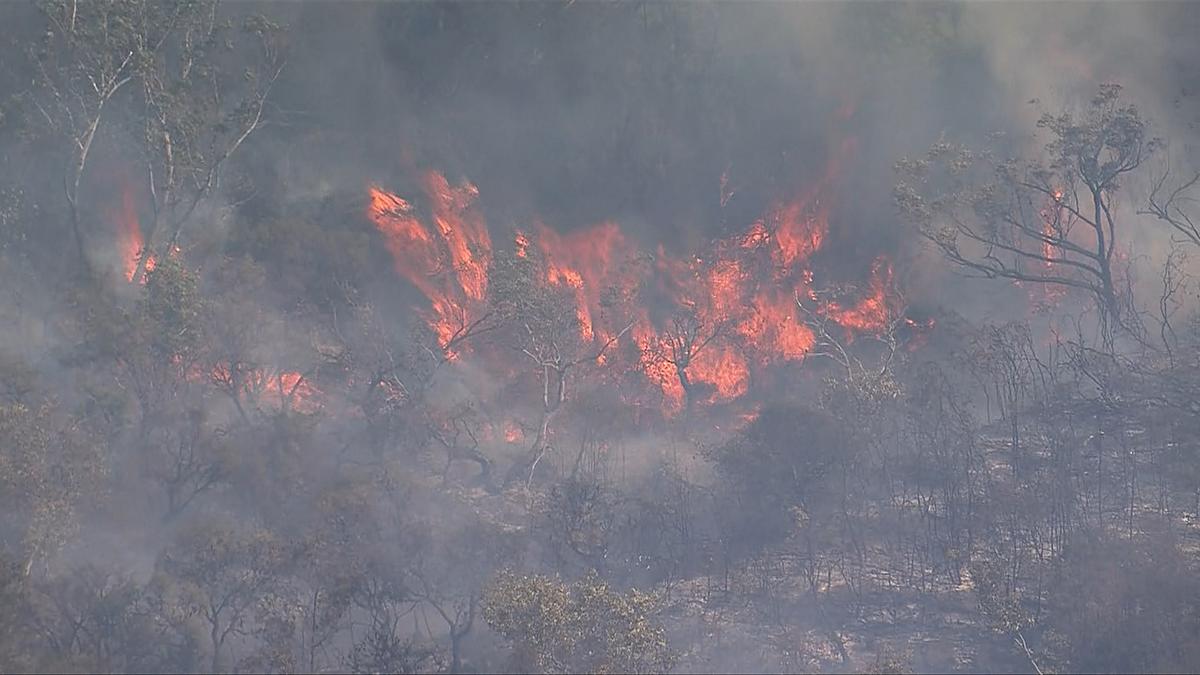
Fire crews have carried out hazard reduction burns across Sydney’s north as authorities prepare for what is expected to be a difficult bushfire season.
Smoke rose over the suburbs on Friday, 4 September, as planned burns were conducted near Sphinx Trail and McCrae Place in North Turramurra, as well as Quarry Road in Hornsby.
All of the fires were reported to be under control. The operations came as Sydney recorded a sunny spring day with a high of 24.1C, while warmer conditions forecast for Saturday are expected to push temperatures towards 31C and increase fire danger.
Hazard reduction burning is used to remove fine vegetation and other fuel that can feed bushfires. NSW authorities say the work is intended to reduce fire intensity and help protect people, homes and the environment.
The NSW Government has warned that established El Niño conditions could bring above-average temperatures and below-average rainfall, with unusually dry conditions already affecting parts of the state.
It said persistent dryness could increase fire activity through spring and into the 2026-27 bushfire season. The official bushfire danger period for most of New South Wales begins on 1 October, although some northern parts of the state have already entered the period.
Agencies have treated more than 124,000 hectares of public and private land since 1 July 2025, helping protect more than 174,000 properties. The government said that total was more than 20 per cent higher than the previous year’s annual figure, while a multi-agency taskforce had enabled more than 75,000 hectares to be treated between April and July.
The National Parks and Wildlife Service says hazard reduction burns are carefully planned and approved, with suitable weather conditions required before work can begin. Changing weather patterns and shorter windows for safe burning have made preparation more difficult, authorities said.
The NSW Rural Fire Service warned that smoke can spread unpredictably despite crews using forecasts and other information to limit its impact on nearby communities.
Children, older people and those with heart or lung conditions are particularly vulnerable to smoke pollution. People with asthma or other respiratory conditions have been advised to reduce outdoor activity when smoke levels are high and seek medical advice if they develop coughing or shortness of breath.
