


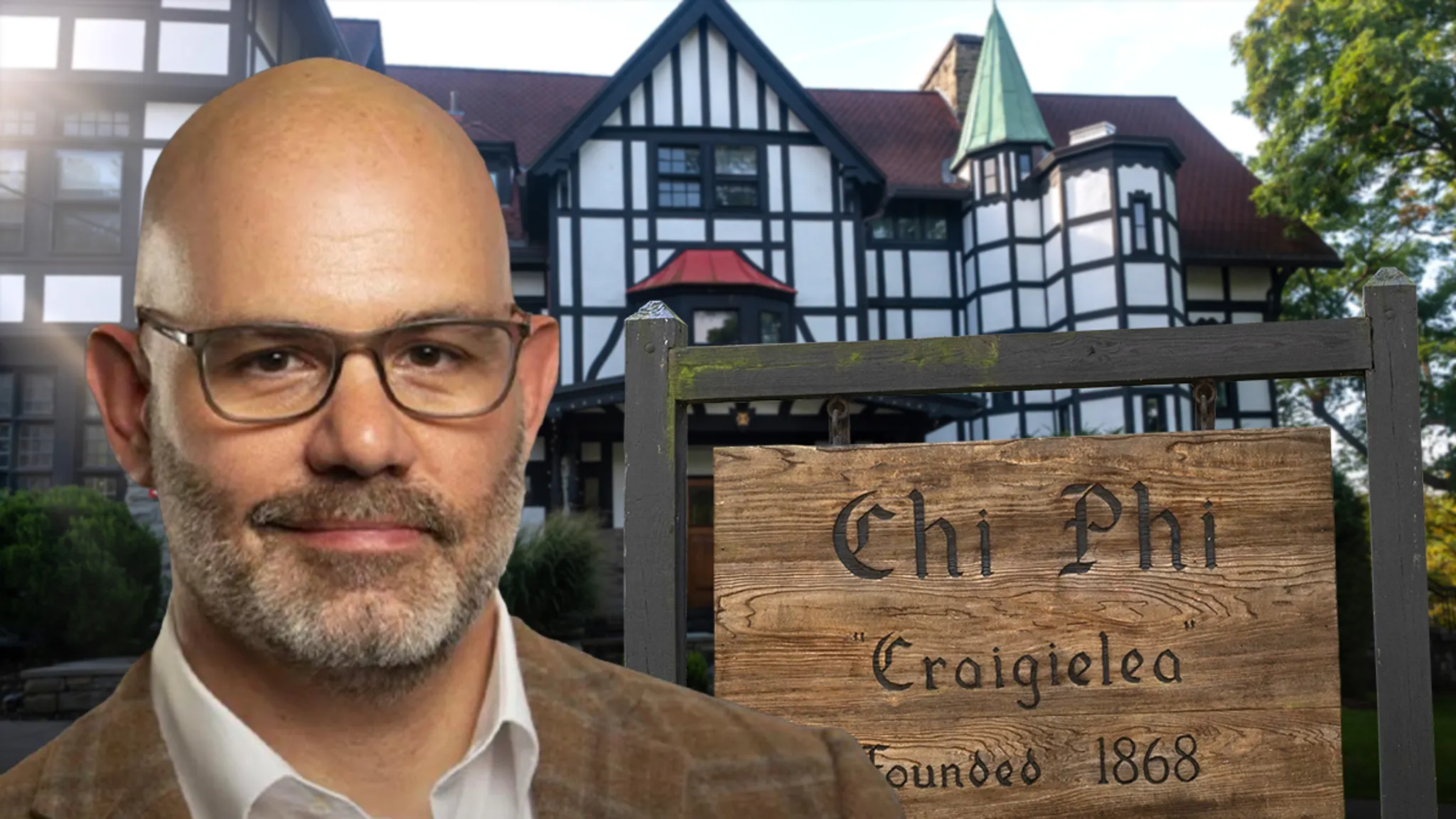
A lawyer representing a Cornell fraternity brother accused in an alleged gang rape case criticised university officials in emails sent during a 2025 Title IX investigation.
Jeremy Saland, who represented one of the accused men, claimed that a member of the panel deciding his client’s consequences was distracted and driving while a witness was giving evidence. He said his request for the hearing to be adjourned for the day was rejected.
In an email dated 16 May 2025, Saland accused Cornell of disregarding “the rule of law, honesty, integrity, and any ethical consideration to an accused”. He also referred to what he described as “demonstrable evidence or lack of evidence” supporting his client’s “innocence, aka, non-responsibility”.
Saland wrote: “No matter who ultimately made the decision, and no matter how willful Cornell’s continued disregard for the rule of law, honesty, integrity, and any ethical consideration to an accused – especially in light of the demonstrable evidence or lack of evidence confirming [redacted] innocence, aka, non-responsibility, it is incredibly galling and frightening.”
He questioned whether the alleged conduct was part of a wider pattern at the university, writing: “I cannot help but wonder whether this misconduct and disregard is common at your esteemed and respected Ivy League institution and whether the same warrants greater investigation.”
In a further email sent several days later, Saland said Cornell’s alleged failings should not be overlooked, regardless of whether his client was found responsible.
“Sadly, for Cornell, whether [redacted] is responsible or not, the esteemed Ivy League university’s failings will not be ignored,” he wrote. “No student should be subject to such a lack of professionalism. After all, Cornell should be setting the bar, not lowering it in a sinister game of limbo.”
He ended the message by writing: “Whether by the hand or word of President Donald Trump or Cornell University, appearing to do what is right when you know that is not, is always wrong. Do better. Shame on you all.”
Cornell ultimately determined that the fraternity brother had committed attempted sexual exploitation. His punishment included taking a class on social media and sexual harassment, writing a reflection paper and being subject to a no-contact order with the accuser.
