


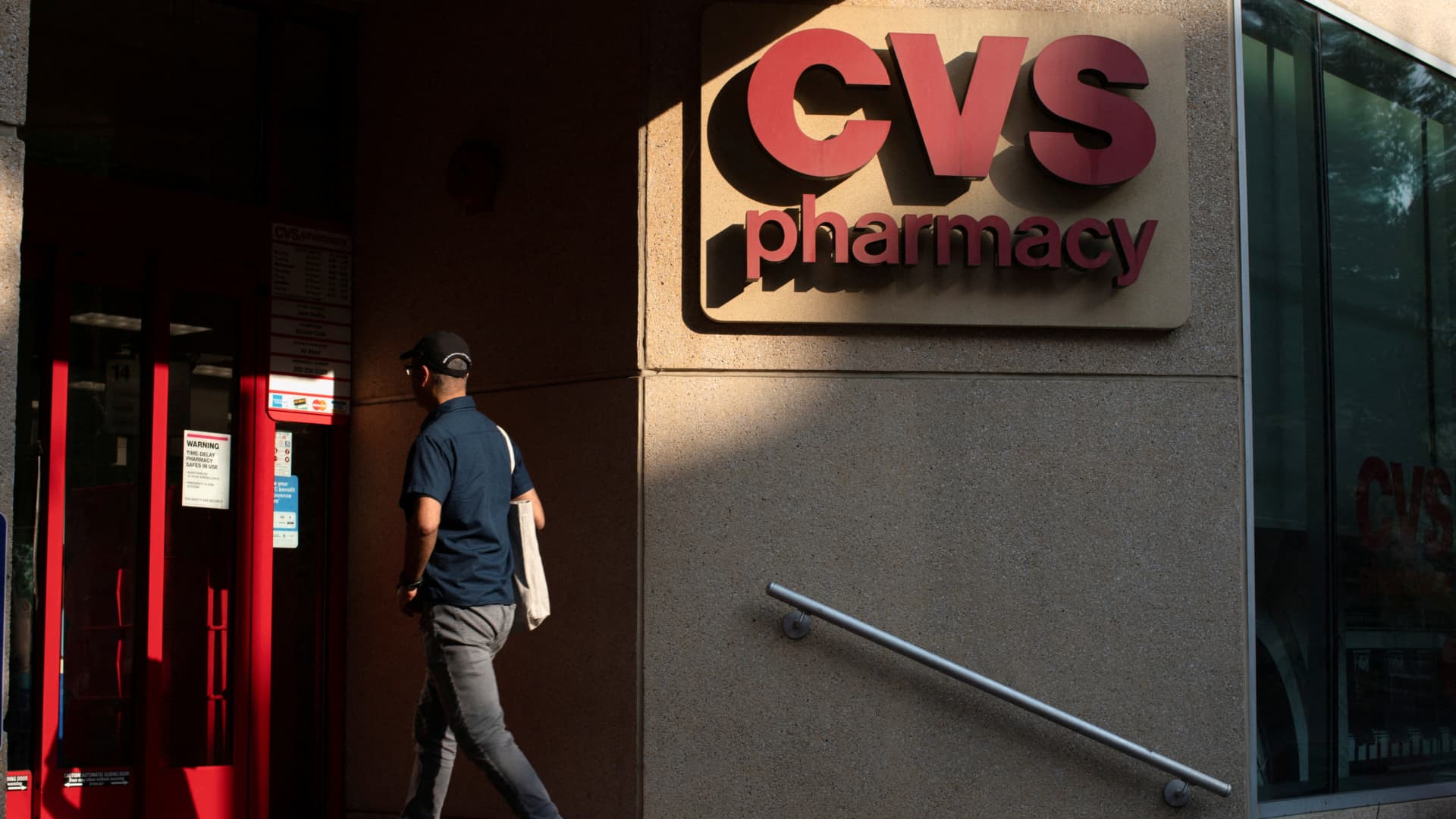
CVS Health is to split into two separately listed companies by the first half of 2028, separating its roughly 9,000 retail pharmacies from its insurance and pharmacy benefit management operations.
The break-up will unwind the vertically integrated healthcare group created by its 78 billion dollar acquisition of Aetna in 2018. Existing CVS shareholders will receive shares in both businesses.
The insurance and pharmacy benefit manager, or PBM, will retain the CVS Health name and be led by chief executive David Joyner. The retail business will be called CVS Pharmacy and run by Prem Shah, currently group president of CVS Health.
CVS said the decision followed a “comprehensive strategic review” by its board. It said the two companies would be able to pursue more focused strategies, improve efficiency and invest in technology and innovation.
“From a position of strength, and a focus on the long term, we plan to create two focused companies to improve consumer engagement, affordability, and care coordination,” Mr Joyner said.
The announcement marks a sharp reversal for a company that has spent two decades building a healthcare business intended to provide a broad range of services under one roof.
CVS has been carrying out a turnaround programme under Mr Joyner, including 2 billion dollars in planned cost reductions, shop closures, changes to its leadership and efforts to control costs in its Medicare Advantage business. Its shares have risen by about 70% since he became chief executive in October 2024, taking the company’s market value to 117 billion dollars.
CVS split will separate retail and healthcare operations
The retail pharmacy business recorded sales of 37.66 billion dollars in 2025. The insurance division generated 36.29 billion dollars, while the healthcare services segment brought in 51.24 billion dollars.
Under the plan, the insurance and PBM company will also include primary care provider Oak Street Health, home-visit business Signify Health and CVS’s specialty drug operations.
The proposed split comes as PBMs face growing scrutiny from lawmakers and state authorities in the US. The companies negotiate medicine prices and manage prescription benefits for insurers and employers, but have faced criticism over opaque pricing, market power and possible conflicts of interest when they are owned by insurers and pharmacies.
Congress enacted PBM reforms in February, including changes to how the companies are paid under Medicare Part D, while a number of states have moved to limit their ownership of pharmacies.
Michael Cherny, an analyst at Leerink Partners, described the proposed break-up as a “complete shock”. However, he said CVS’s retail pharmacy business had been gaining market share and that its gross margins were stabilising after the introduction of a new reimbursement model called CostVantage.
CVS had already begun a strategic review in October 2024, including consideration of separating its retail pharmacy and insurance businesses. The company said further details on leadership and board appointments would be announced later.
