


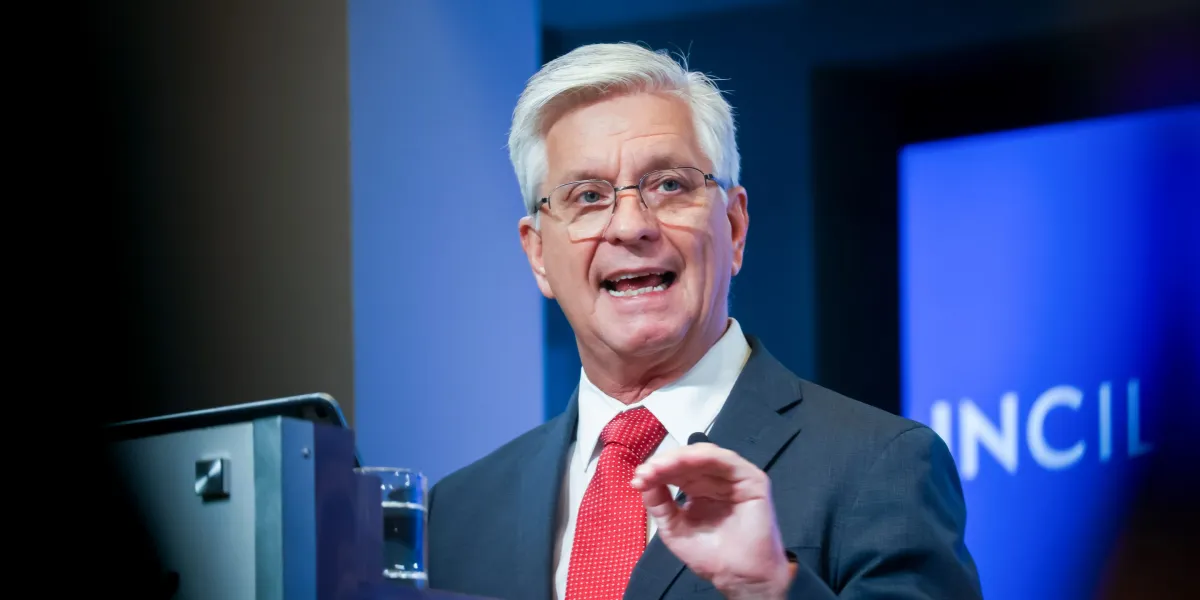
Federal Reserve rate hikes may need to become more aggressive to prevent Americans and businesses accepting 3% inflation as normal, Fed governor Chris Waller has warned.
Waller said the central bank could need to “shock people” out of the belief that prices will continue rising at that pace, including with a potential half-point increase at its December 8-9 meeting.
Inflation has remained above the Fed’s 2% target for more than five years, while the latest consumer price index showed price pressures strengthening more than expected. Waller said inflation was now spreading into core services rather than being concentrated in areas affected by energy costs and tariffs.
He recalled speaking to a business owner who had passed on a 3% price increase because he believed customers would accept it.
“And that’s when you start having problems of trying to get inflation down,” Waller said. “So you might need to like shock people to say, wait a minute 3% is not the number you should be thinking about going forward.”
Waller said households and companies could begin setting wages and prices on the assumption that inflation would remain at 3% a year. He argued that the Fed could not afford to wait for expectations to change naturally.
“People are starting to think 3% may be the norm,” he said. “And if you’re a firm, and the consumer’s resilient and seems to be spending why not pass through three.”
He added: “We can’t wait. We can’t do this in like the next two years.”
Fed rate hike expectations
A half-point rise would take the Fed’s benchmark interest rate to between 4.25% and 4.5%, from its current range of 3.75% to 4%. The central bank raised rates in September for the first time in more than three years before leaving them unchanged in October.
Financial markets are currently pricing in a quarter-point increase in December. Waller said that move might be sufficient if policymakers clearly signalled another rise in January, although Fed chair Kevin Warsh has opposed such guidance on the grounds that it could restrict policymakers’ options.
Waller’s concerns were reinforced by minutes from the Fed’s October meeting, which said staff had identified a risk that longer-term inflation expectations could have become unanchored after five years of elevated inflation.
Fed governor Lisa Cook also stressed the danger of rising expectations when explaining her dissenting vote in favour of a rate increase at the previous meeting.
“My vote reflected the urgency I feel to tackle inflation,” Cook said. Inflation “has been above target for more than five and a half years, and every additional day poses greater risk that price- and wage-setters will adjust their inflation expectations upward”.
The impact of President Donald Trump’s tariffs has been prolonged by negotiations and legal challenges, while companies have spread the resulting cost increases over time rather than passing them on immediately.
Oil prices have also remained volatile amid the Iran war, rising when fighting in the Persian Gulf intensifies despite falling from earlier highs. Waller said the combined pressures were affecting attitudes towards inflation.
Not all policymakers favour a sharp move. New York Fed president John Williams said there was no need for “dramatic action”, arguing that the more gradual approach taken in recent months was working well.
Waller said the Fed might ultimately need to reverse the three rate cuts it made in 2025 and go beyond that level if inflation failed to respond.
“If the policy rate last summer in 2025 wasn’t bringing inflation down, getting back to that isn’t going to bring it down,” he said. “So we may have to go above … three hikes plus maybe some more to get it to start actually coming back down.”
