


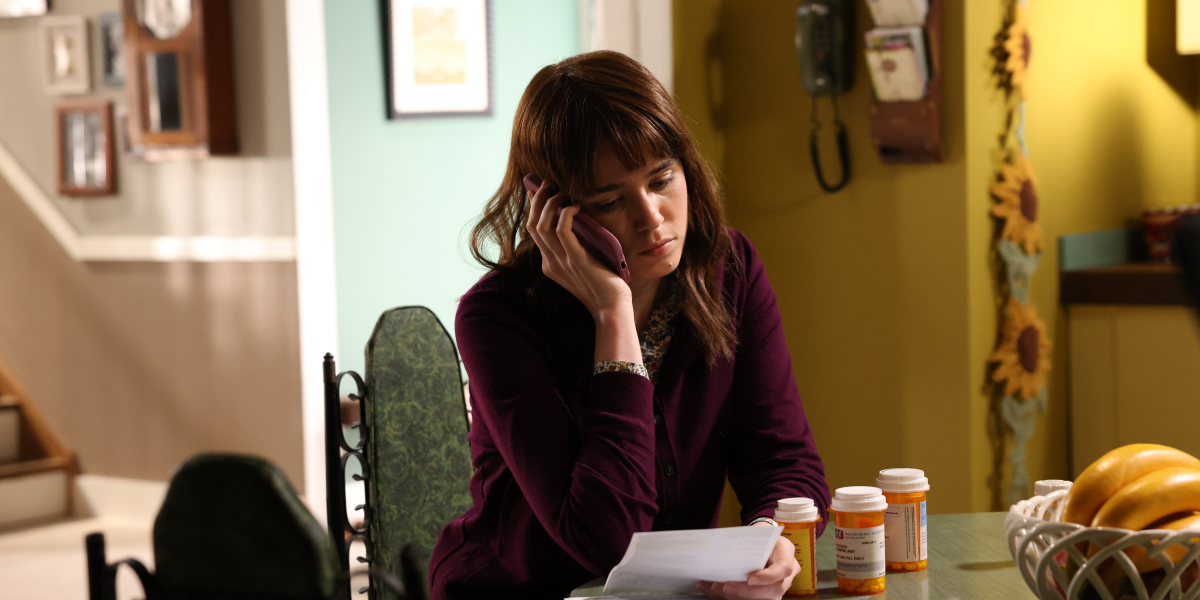
A Saturday Night Live sketch about an unpaid sister providing round-the-clock care for ageing parents has drawn two million YouTube views and prompted women across the US to send it to their brothers.
John Mulaney plays a salesman promoting “Sister”, described as a live-in, 24-hour caregiver who is “completely free, and also your sister”. Mikey Day’s character, Dr Grant, says the arrangement works because internalised sexism has persuaded her that caring for their parents is her responsibility.
The sketch also highlights the financial imbalance. One brother points out that the parents made their will before the sister moved in, meaning the siblings can still divide the house equally despite her unpaid labour.
The joke reflects a wider economic cost faced by family caregivers, most of whom are women. An AARP report based on the Urban Institute’s long-range income model estimates that a typical working caregiver loses $120,500 over a lifetime through lower wages, workplace retirement income and Social Security benefits.
For caregivers born in the early 1980s, the report puts the combined loss at $2.3 trillion. Its calculation includes only people who continued working, excluding those who left employment to provide care.
That distinction is significant because Social Security benefits are calculated using a worker’s 35 highest-earning years. A five-year break to care for a parent can therefore mean not only lost income during that period, but a permanently smaller retirement payment.
The cost of family caregiving
In 2024, America’s 59 million family caregivers provided 49.5 billion hours of care. The AARP Public Policy Institute valued that work at $1.01 trillion, more than the country’s total Medicaid spending that year.
Women accounted for three in five family caregivers. The value of their work, however, does not show how much they themselves spend or how much wealth they forgo while providing it.
AARP’s 2026 out-of-pocket study found that caregivers spent an average of $11,508 a year on care, almost 60 per cent more than in 2021 and equivalent to about 31 per cent of household income. Those who retired earlier than planned spent an average of $18,940.
The expenses included housing, food and medical bills, such as mortgage payments on a parent’s home, groceries and co-payments. Research cited by the TIAA Institute found that nearly a quarter of caregivers had less than $1,000 saved for retirement.
The financial strain can also affect the wider family. Unpaid care may keep an older person out of a nursing home and preserve their property and savings, while the caregiver’s siblings later share the estate equally. The sister in the SNL sketch consequently misses out on earnings, workplace retirement contributions and a full Social Security record, while still receiving the same inheritance as relatives who did not provide the care.
Proposed measures include the Social Security Caregiver Credit Act, reintroduced in April by Connecticut senator Chris Murphy and New York senator Kirsten Gillibrand. The bill would give people providing at least 80 hours of care a month up to five years of deemed earnings, preventing those years from counting as zeros in the benefits calculation.
Other proposals include extending the credit, providing retirement contributions for caregiving and allowing states to pay family caregivers through Medicaid at real wages. Families could also account for years of unpaid care when dividing an estate, rather than automatically splitting it equally.
