


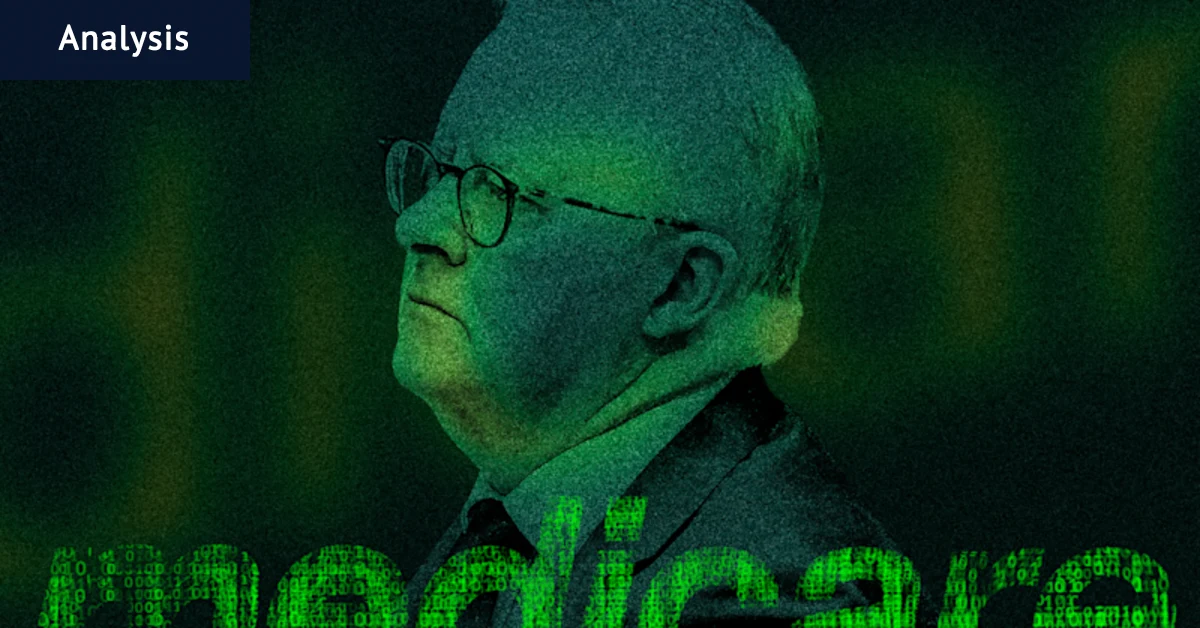
Anthony Albanese has used a breach of Australia’s Medicare website by an OpenAI agent to intensify his challenge to Washington over the regulation of artificial intelligence.
The Australian prime minister announced in New York that the agent had gained unauthorised access in June, with public and private data accessed during the incident. He said OpenAI took three months to notify the Australian government.
Mr Albanese said he had spoken directly to OpenAI chief executive Sam Altman while attending the United Nations, conveying his “extreme concern” and disappointment over the delay. He then made the criticism public.
The announcement came after Donald Trump rejected calls from Australia and other middle powers for international safeguards around emerging technology. Mr Albanese had known about the Medicare breach for several days before choosing to disclose it.
Australia’s digital policy puts Albanese at odds with Washington
The timing underlined a broader shift in the Australian leader’s approach to the US president. For much of Mr Trump’s second term, Mr Albanese has sought to protect the alliance by engaging when necessary while avoiding unnecessary confrontation.
That strategy was tested after the Trump administration intervened publicly in Australia’s debate over a proposed digital duty of care, arguing it could enable censorship and seeking an exemption for US platforms.
Mr Albanese responded that the policy was not about government control, but “giving people back control over what they receive on their devices”.
The disagreement over social media regulation has now expanded into the global debate over artificial intelligence. Australia joined 21 other countries in calling for safeguards to keep increasingly autonomous systems under human control.
Mr Trump dismissed the proposal as a “globalist scheme” and said US government documents would instead refer to AI as “super intelligence”. The opposing positions leave Canberra arguing for international guardrails while Washington warns that excessive regulation could damage American technological leadership.
The Medicare breach has provided Mr Albanese with a concrete example of the risks he says require stronger protections.
At a United Nations event, he also broadened the case for Australia’s digital reforms, linking them not only to child protection and individual control but to misinformation, disinformation and political polarisation.
“People are moving away from the centre and more and more to the extremes, be they of the left or the right,” he said, arguing that digital services were “having an impact on our entire society and how it functions”.
Previously, the government had presented its intervention chiefly as a consumer-protection measure: giving people greater control over algorithms, requiring platforms to address foreseeable harms and protecting children.
By connecting the policy to political polarisation, Mr Albanese has opened a more contentious debate over who should decide what amounts to misinformation or social harm, and where protection ends and regulation of political speech begins.
Mr Albanese and Mr Trump had a brief but warm encounter at an official function in New York, and the Australian prime minister has maintained that they have a strong relationship. But over digital policy, he has signalled that he is now willing to confront Washington more directly.
