


A Minnesota Chamber of Commerce report says the state’s economic growth has stalled, prompting a debate over whether taxes, government spending and workforce pressures are holding back further progress.
The report found that Minnesota’s economy grew more slowly per person than every state except Utah in 2025. Its workforce growth has also remained in the bottom half nationally since 2019, with immigrants from other countries accounting for all population growth until 2025.
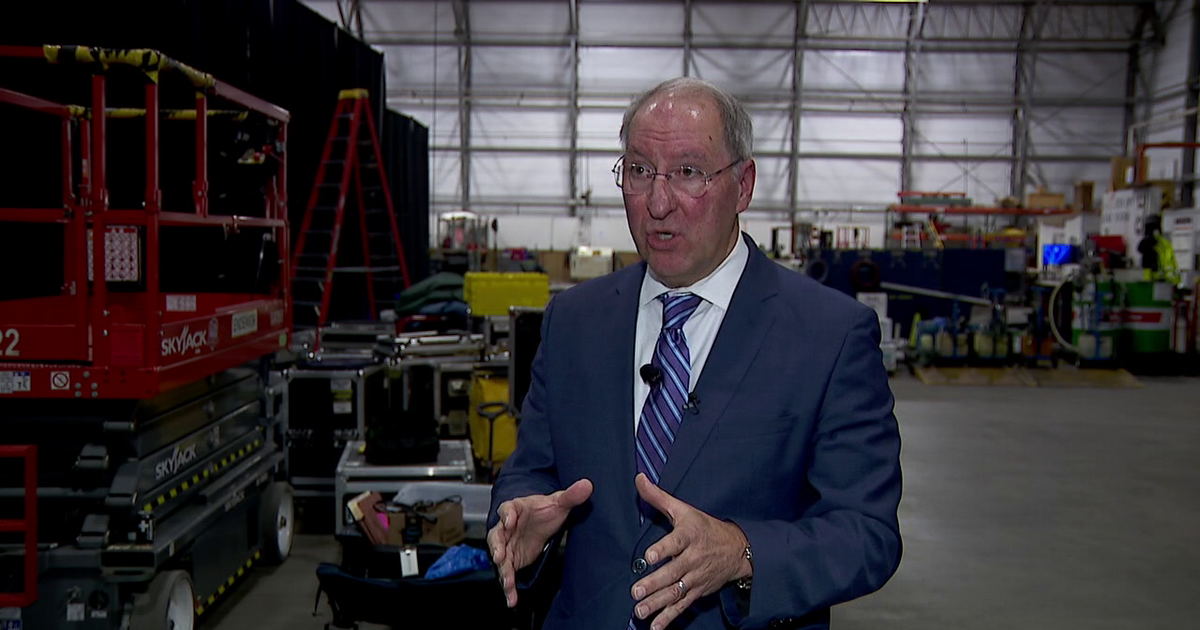
Doug Loon, chief executive of the Minnesota Chamber of Commerce, said the state needed both consumers and workers to support future growth.
Minnesota Chamber report highlights economic concerns
Despite the recent slowdown, Minnesota continues to rank highly over the longer term for income per person, job growth and the rate at which businesses survive.
U.S. News & World Report ranked Minnesota the third-best state overall in 2026, giving it strong marks for its business environment and economic opportunity.
Republicans described the chamber’s findings as a warning sign. There is broad agreement that the trends are troubling, but divisions could emerge when the debate turns to how proposed measures should be funded.
Amy Klobuchar referred to several of the chamber’s priorities in her Election Day victory speech, saying: “We are gonna have a growth mindset and we’re gonna have a growth agenda.”
Some proposals could attract support across the political divide, including speeding up the permitting process, strengthening links between schools and businesses, and increasing the supply of housing to make Minnesota more affordable.
Jake Schwitzer of the North Star Policy Alliance backed faster permitting and closer co-operation between education providers and businesses. He also called for investment in public schools, colleges and universities.
There is also agreement on making childcare more affordable to help attract workers, although how to pay for it could become a point of dispute under the new DFL trifecta.
The DFL’s emphasis on reducing costs for workers may conflict with the chamber’s call for a lower tax burden on businesses. Mr Loon said the answer could involve trimming government while also expanding the economy to generate more income and further growth.
