


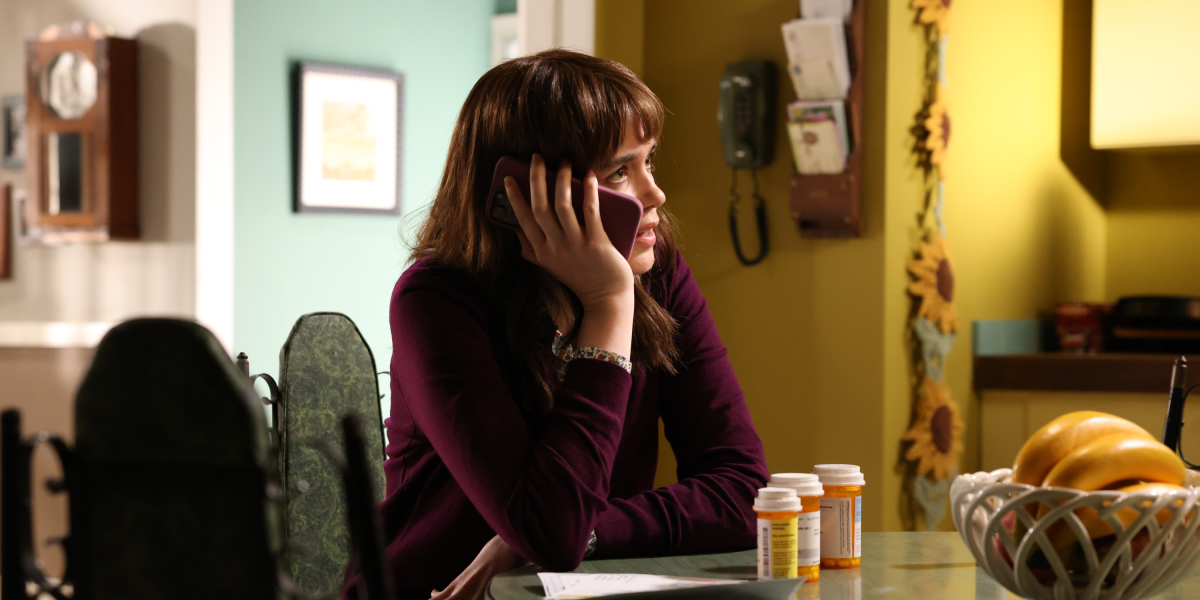
The Saturday Night Live “Sister” sketch has prompted renewed discussion about the unequal burden of caring for ageing parents, with a senior-care company chief executive saying women are too often expected to take primary responsibility.
The CEO of A Place for Mom said the sketch resonated with families because daughters, daughters-in-law, nieces and sisters-in-law frequently become the main organisers of care. She said the issue had personal significance after she and her mother spent almost 20 years caring for her grandparents.
“I am the sister,” she wrote, describing the experience of helping her grandparents navigate senior care after moving to the United States as a teenager. She said she understood the guilt, worry and uncertainty involved in trying to find support for relatives while learning how the system worked herself.
The company says more than 2.3 million families have sought its help over 25 years. Approximately 40% of the family caregivers it serves are daughters, daughters-in-law, nieces and sisters-in-law, while more than two-thirds of those who make contact are women.
Women account for 61% of unpaid caregivers nationally, according to AARP, the company chief executive said. She added that women often report stress, guilt and feeling overwhelmed more frequently than men, with 53% saying they have difficulty sleeping at least once a week in A Place for Mom’s 2026 Women and Caregiving report.
The report also found that women caregivers give up 33% of household income, compared with 29% for men, among households earning about $15,000 less on average.
The CEO said families should stop treating lost income, neglected health and personal sacrifice as evidence of devotion. “You are not a better daughter because you are losing income or neglecting your health,” she wrote. “Getting support does not mean you love your parents less.”
She called for care to become a shared family responsibility, involving brothers, sons and other relatives. Rather than leaving one woman to coordinate every task, family members should take on practical duties such as arranging appointments, researching care options and providing regular support.
“Tell me what you need” was not enough, she said, because it still required the main caregiver to identify the work and allocate it to others. Families should instead discuss their individual circumstances, including distance, finances, health and employment, before agreeing how responsibilities will be divided.
A Place for Mom helps families assess their options and connects them with providers across a network of more than 15,000 senior-living communities and home-care agencies. The company says its service is free to families because it is paid by its provider network.
The CEO urged families to use the holiday season to have a direct conversation about what help an ageing parent needs and who will take responsibility. Siblings should begin the discussion together before involving the parent, whose preferences should remain central to the plan.
“Having a sister is a gift, not a senior care strategy,” she wrote, urging relatives to take on tasks that women caregivers are carrying alone.
