


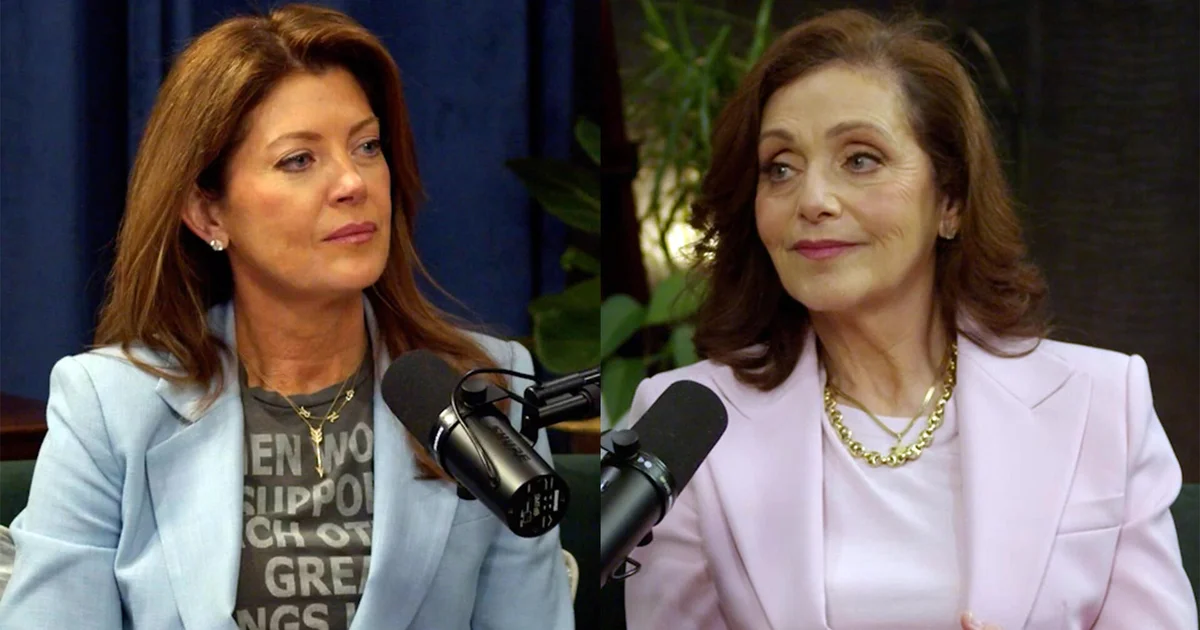
Artificial intelligence could help detect breast cancer up to five years earlier when used alongside mammograms, according to Dr Rachel Brem, a diagnostic radiologist working on AI-enhanced screening at George Washington University.
Brem, director of Breast Imaging and Intervention at the university, is collaborating with ScreenPoint Medical on Transpara, software designed to identify signs of breast cancer that may be missed by mammograms alone. The technology can also estimate a woman’s future risk of developing the disease even when no cancer is visible.
“AI is going to change everything in medicine, and certainly breast cancer detection,” Brem said.
AI breast cancer screening
Scientific research has found that combining mammograms with AI assessments can identify warning signs years before cancer might otherwise be detected, Brem said. She believes the potential effect on survival and treatment could be significant.
At George Washington University, AI has been used with every mammogram for more than four years, and patients are not charged extra for the software. However, only about 20 per cent of practices across the United States currently use AI in mammography, with additional costs often limiting access.
Some AI systems designed to predict breast cancer risk or detect the disease have been cleared by the US Food and Drug Administration. Brem also believes the technology could help reduce inequalities in diagnosis and treatment.
Black women die from breast cancer at a rate 40 per cent higher than white women, she said, while women with fewer resources can face reduced access to mammograms.
Brem established the Brem Foundation, which has spent 20 years promoting early detection, education and more equal access to screening. She said wider use of AI could help find more cancers while also addressing disparities in healthcare.
Experimental breath test could offer non-invasive screening
Brem is also involved in the development of an experimental breath test intended to detect breast cancer without pain, compression or injections.
The test is based on the theory that diseased tissue releases a chemical compound which becomes a gas. Researchers hope this could provide a non-invasive way of identifying women who need further investigation.
The technology remains in clinical trials and has not been cleared by the FDA for screening. Brem said its longer-term potential could extend beyond breast cancer to a wider women’s health panel carried out from a single breath.
“It’s not available yet, but I’m really excited about having no pain, no compression, and no injection way of diagnosing if you’re accurately diagnosed,” she said.
Calls for earlier and more regular screening
Brem argues that women should have annual breast cancer checks from the age of 40, with screening beginning at 35 for those with a family history of the disease.
US guidance cited in the discussion recommends screening every other year from the age of 40, according to the US Preventive Services Task Force, while American College of Physicians guidance states that women over 50 should have a mammogram every two years.
Brem strongly criticised those recommendations, saying: “Women will die if they listen to that.”
She said anxiety about receiving a positive result often leads women to delay or avoid screening, but added: “We don’t get rid of the disease by not knowing we have it.”
Early detection is associated with substantially better outcomes than diagnosis at a later stage. Brem said 99 per cent of women with early breast cancer “survive and thrive”, provided the disease is found promptly and screening is carried out regularly.
She also urged women with dense breasts to ask about additional examinations. Dense breast tissue, which affects half of women, can make it harder for mammograms to reveal tumours. Ultrasounds, MRI scans or contrast-enhanced mammograms may be needed to provide a fuller assessment.
Brem said additional screening was not always offered routinely and advised women to discuss the issue with their doctors and insist on further examinations where necessary.
She warned that younger women should not assume they are too young to develop breast cancer, particularly as rates are rising among younger patients. “If you find it early, even if you’re young, it’s curable,” she said.
Her message to women is to discuss their screening plan, seek extra examinations where appropriate and speak up during medical appointments. “You need to advocate for yourself,” Brem said. “It’s your right. It’s what you deserve, and it’s not a maybe.”
