


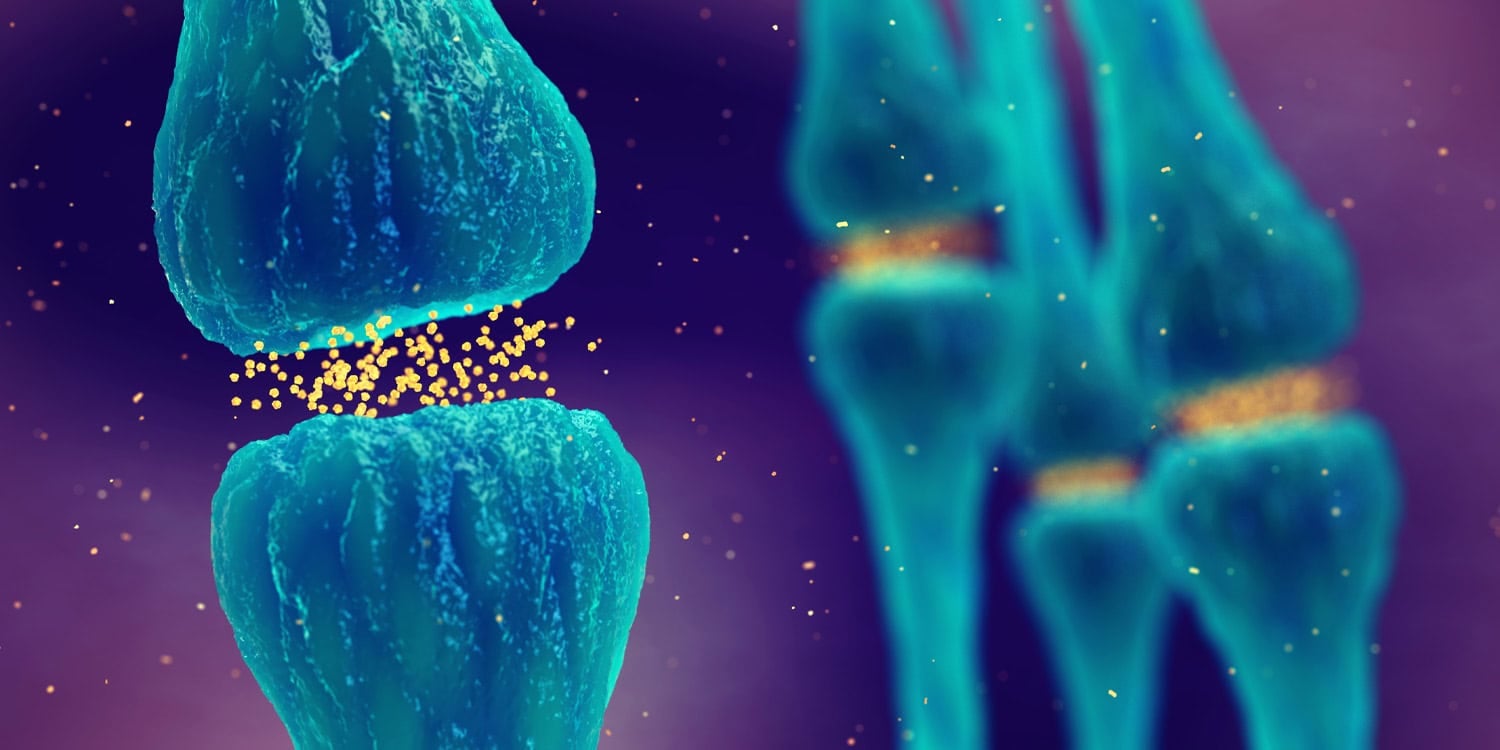
A new rat study published in Nature Communications finds that three classic psychedelics—psilocybin, LSD and 2C-B—produce distinct patterns of brain energy use immediately after dosing and again a week later. The research challenges the idea that these drugs can be treated as interchangeable, though the authors emphasise that any implications for treating mental health conditions remain speculative.
All three drugs are classed as serotonergic psychedelics because they bind to the serotonin 2A receptor, a protein on brain cell surfaces linked to the altered states these substances induce. Yet their chemical structures differ, and they interact with other brain receptors in different ways, a nuance highlighted by a 2023 review arguing that varying secondary targets could lead to divergent brain effects despite a shared primary target.
Leading the team was Mikael Palner, an associate professor at the University of Southern Denmark and head of the Palner Lab, with Frederik Gudmundsen as first author, now a postdoctoral researcher at Aarhus University Hospital. Palner recalled that the idea came from Gudmundsen’s push to test whether serotonergic psychedelics are truly a single drug class or if they produce distinct brain impacts.
The researchers used 48 rats, dividing them into four groups of 12. One group received psilocybin, another LSD, a third 2C-B, and a fourth a saline control. Doses were psilocybin 1 mg/kg, LSD 0.3 mg/kg, and 2C-B 3 mg/kg. A separate group of nine rats confirmed receptor occupancy at 51 to 70 per cent, a level associated with intense psychedelic effects in humans.
Palner noted an unexpected finding about dosing when translating to humans. “We compared three different drugs that are often used in humans: LSD, 2C-B and psilocybin,” he said. “One thing was a big surprise and that is how much LSD we need to give a rat per body weight compared to a human.” He added that the rat dose would equate to about 200 times a typical human dose when scaled by body weight, reflecting protective mechanisms in rodents and uncertainties in translating doses across species.
Each rat underwent three PET scans—a baseline before any drug, an acute scan shortly after injection, and a long-term scan a week later. During each session the animals received a radioactive glucose tracer, remained awake for 45 minutes, and then were briefly anaesthetised for a 35-minute image capture. The team also assessed how activity in pairs of brain regions rose and fell together, a rough gauge of network connectivity.
Because all three psychedelics reduced overall glucose tracer uptake across the brain, which may reflect reduced blood flow, the scientists adjusted the data to examine relative changes. This meant looking at how much glucose specific regions absorbed compared with the rest of the brain, enabling detection of local spikes or drops in activity against the animal’s global metabolism.
In the acute phase, the drugs produced distinct metabolic signatures. Psilocybin caused a relative rise in energy use in the dorsal striatum, involved in habit formation, and in the insula, linked to emotional processing and bodily awareness. Unlike a landmark 1997 human study, the rats did not show psilocybin-related frontal changes, and a potential strengthening of a link between two frontal areas did not remain after statistical correction.
By contrast, LSD was associated with broad decreases in metabolism across the cortex, with increased activity in the midbrain and in emotional centres such as the amygdala and hypothalamus. 2C-B shared some similarities with LSD, including reduced frontal activity and elevated activity in midbrain regions associated with dopamine production, though its midbrain hotspot was more pronounced in a whole-brain analysis. Both psilocybin and 2C-B also showed increased activity in the insula.
One week after dosing, most of the acute spikes and dips had subsided, but some network differences persisted. Psilocybin left a lasting trace of increased metabolism in the insula and strengthened the connection between insular and prefrontal activity—the only network change that survived statistical correction. Psilocybin and LSD, but not 2C-B, also displayed modest lingering decreases across several cortical, limbic and midbrain regions.
For LSD, most acute metabolic changes faded after a week, and a potential shift in cortex–striatum coordination did not hold up to correction. By contrast, 2C-B’s lasting effects were largely in dopamine-producing midbrain regions, with no enduring cortical changes seen in the other two drugs.
The authors offered purely speculative ideas about how these patterns might guide therapeutic matching. The insula involvement suggests psilocybin and 2C-B could potentially help disorders characterised by anxiety or distorted bodily awareness; psilocybin’s potential effects on orbitofrontal connections might make it relevant to obsessive-compulsive tendencies; and LSD’s impact on midbrain–striatum circuits could have implications for substance-use disorders. Overall, the findings point to drug-specific brain responses rather than a universal psychedelic effect.
“Understand that just because one psychedelic drug is reported to do something to your mental health, it’s not necessary that others do the same,” Palner stressed. “I think with the increased focus and ease of legislation this will be really important to understand.”
He added: “I hope this is taken further and we will see that the right drug is given to the right patients. Whether it’s LSD or psilocybin for depression or anxiety. We need to do the comparison at some point.”
Palner’s lab has previously shown that repeated low doses of psilocybin can bolster resilience to stress and reduce compulsive behaviour, with ongoing interest in dose reduction and microdosing strategies.
As with most animal research, the study carries caveats. The measurements are relative to each animal’s baseline, so apparent regional increases could reflect decreases elsewhere. The paper does not report direct statistical comparisons between the drugs, and the differing receptor-occupancy levels (51–70 per cent) could reflect intensity rather than identity. The study also involved a modest sample—11 or 12 rats per group—and many network changes did not survive corrections for multiple comparisons.
Palner acknowledged the limitations, describing the work as a small but significant contribution and emphasising the need for careful ethical and scientific justification in rodent psychedelic research. “This is a small study, yet still significant, meaning that the distinct effects are quite robust, otherwise they would drown in noise,” he said.
The researchers stressed that the work used healthy rats without behavioural measures, so direct links to particular mental health conditions cannot be tested here. They indicated that behavioural impacts of these metabolic changes remain a topic for future study, noting that the emotional and psychological experiences of a psychedelic trip cannot be measured in animals.
Palner concluded with thanks to the many researchers involved and disclosed that he holds shares in Compass Pathways and ATAI, firms active in psychedelic research and treatment development. The study is listed as Serotonergic psychedelics induce distinct patterns of metabolic activity and covariance within biologically informed rat brain networks, with a long author list led by Frederik Gudmundsen and Mikael Palner.
